Masters of Spin: Historic Milestones of Indian Spin Bowlers
Bottom Line
Indian spin bowling is the defining strategic foundation of India's rise as a global cricket force, accounting for more than 2,000 international wickets across multiple eras of Indian spin bowlers history. From the 1970s quartet to modern match-winners like Ravichandran Ashwin and Ravindra Jadeja, these bowlers built match-winning strategies on flight, trajectory, and subtle variations.
Key Takeaways
- The Famous Quartet claimed 853 wickets across 231 Tests from 1961 to 1979.
- Anil Kumble leads all Indian bowlers with 619 Test wickets in 132 matches.
- Ashwin and Jadeja became India's most successful pair with 587 wickets in 58 Tests.
- Modern review technology and changing pitch profiles shifted spin tactics toward velocity and drift.
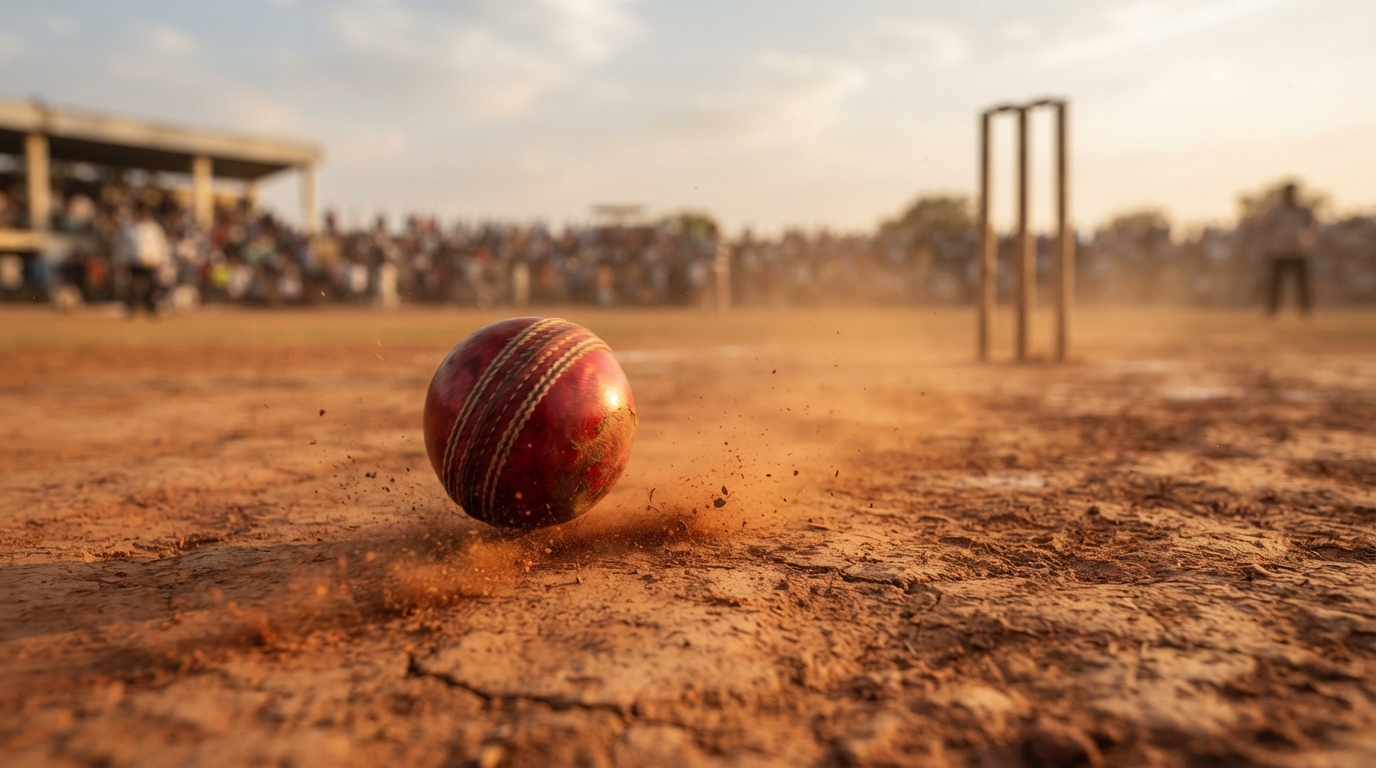
A red leather ball lands just outside off stump on a dry surface in Chennai. It kicks up a puff of gray dust. Three fielders crouch within arm's reach of the bat: silly point, short leg, and slip. The batter prods forward in self-defense, but the ball grips, turns sharply, and takes the inside edge straight to short leg.
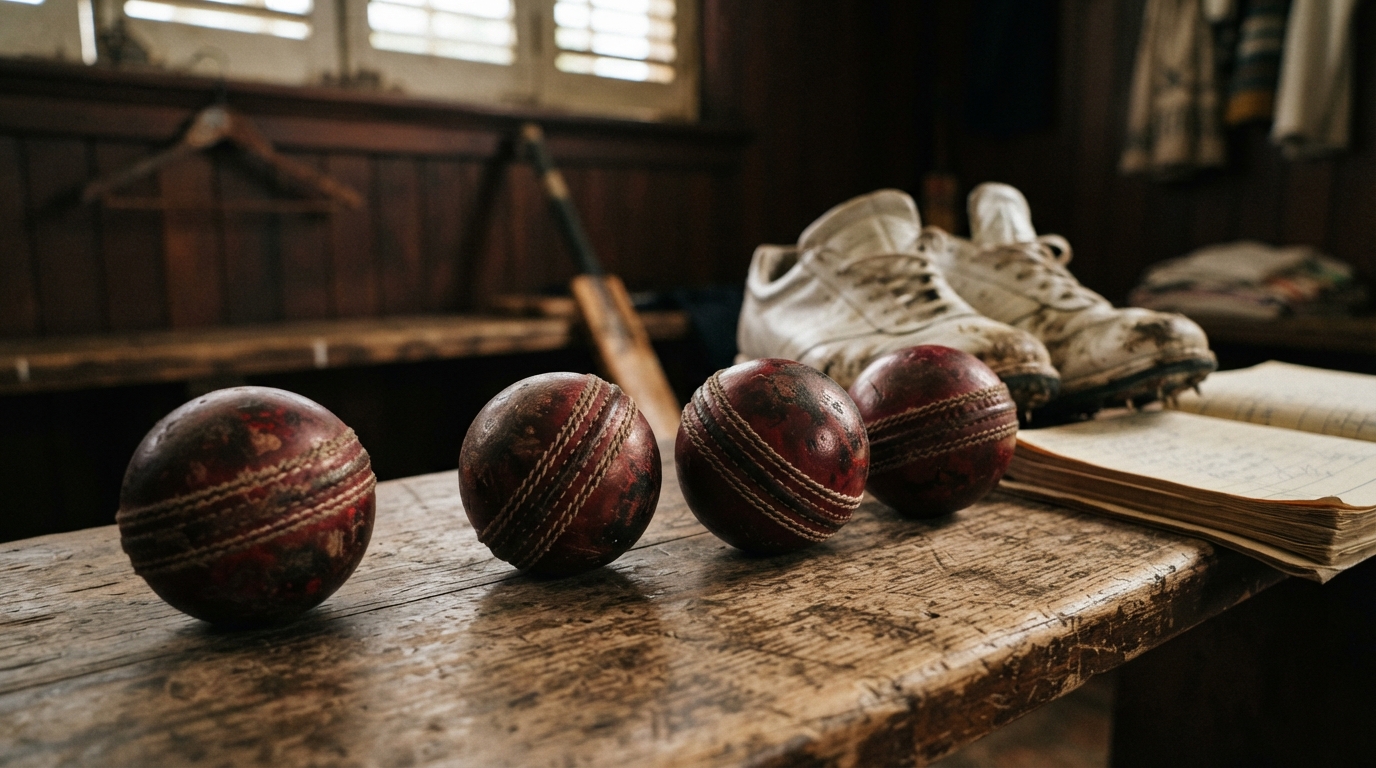
That single sequence captures the essence of Indian spin bowlers history. For more than six decades, slow bowling has served as India's primary attacking weapon rather than a defensive holding tactic. You can trace this tactical identity across our major events in Indian history FAQ archive to see how cricket evolved alongside the nation. Slow bowlers did not just adapt to Indian conditions. They mastered pitch psychology, ball drift, and release velocity to win matches across the globe.
How Did the Famous Spin Quartet Shape Indian Spin Bowlers History?
The Famous Spin Quartet established India's first golden era of bowling between 1961 and 1979. Bishan Singh Bedi, E.A.S. Prasanna, B.S. Chandrasekhar, and Srinivas Venkataraghavan combined for 853 Test wickets across 231 matches, turning slow bowling into an aggressive match-winning art form.
       THE FAMOUS SPIN QUARTET (1961–1979)
       Combined Career: 853 Test Wickets
  ┌───────────────────┬───────────────────┐
  │  OFF-SPIN TANDEM  │ LEG-SPIN & SLOW   │
  ├───────────────────┼───────────────────┤
  │ E.A.S. Prasanna   │ B.S. Chandrasekhar│
  │ (Flight & Dip)    │ (Pace & Googly)   │
  ├───────────────────┼───────────────────┤
  │ S. Venkataraghavan│ Bishan Singh Bedi │
  │ (Control & Line)  │ (Drift & Rhythm)  │
  └───────────────────┴───────────────────┘
The Architects of India's First Global Era
The Architects of India's First Global Era is the designation for Bishan Singh Bedi, E.A.S. Prasanna, B.S. Chandrasekhar, and Srinivas Venkataraghavan, who anchored national bowling attacks between 1961 and 1979. These four spinners transformed Indian spin bowlers history by replacing part-time opening spells with an aggressive slow-bowling unit that collected 853 Test wickets.
Before the 1960s, India lacked a world-class pace attack. Captains often opened the bowling with part-time medium pacers simply to take the shine off the ball. Once the shine faded, the spin quartet began the primary bowling attack.
The quartet operated in rotating pairs. Bedi provided graceful left-arm orthodox flight with deceptive pace changes. Prasanna tossed the ball high above the batter's eye line to create looping dip. Venkataraghavan attacked with relentless off-spin precision and close-in catching skills. Chandrasekhar delivered unpredictable leg-breaks and googlies at near-medium pace using Chandrasekhar's polio-afflicted right arm.
Former Australian captain Ian Chappell stated that playing the Indian spin quartet was the ultimate test of cricket intelligence, noting that Indian spinners forced a batter's brain to work overtime against continuous variations [The Citizen, 2024]. The quartet hunted in packs and attacked from both ends simultaneously.
Masterclasses at Port of Spain and The Oval in 1971
The year 1971 marked a turning point for Indian cricket. India traveled to the West Indies and England, securing historic series victories in both tours.
At Port of Spain in Trinidad, Indian spinners strangled a powerful West Indian batting lineup. Months later at The Oval in London, B.S. Chandrasekhar produced one of the most famous spells in Test cricket. Chandrasekhar took 6/38 in the second innings, skittling England for just 101 runs [Wisden, 2024]. India chased down the target of 173 to seal India's first Test series victory on English soil.
These overseas wins proved that Indian spinners did not rely on crumbling home tracks. The bowlers used bounce, drift, and deceptive release angles to beat top batters on damp English turf and fast Caribbean tracks.
Tactical Artistry: Flight, Drift, and Classical Deception
Tactical artistry in classical spin bowling is the deliberate manipulation of aerodynamics, flight, and trajectory geometry to deceive opposing batters before and after the pitch. In Indian spin bowlers history, Bishan Singh Bedi and E.A.S. Prasanna weaponized looped trajectories and late dip, creating close-catching dismissals by drawing batters forward.
B.S. Chandrasekhar remarked on Bishan Bedi's tactical philosophy, pointing out that Bedi welcomed getting hit for six because conceding boundaries allowed Bedi to tease batters with more flight and set the trap for their dismissal [Hindustan Times, 2023]. Bedi gave the ball air to create dip. When the ball dipped late, batters misjudged the pitch of the ball and played ahead of their pads.
Classical Trajectory (Bedi / Prasanna):
  Release ──── High Arc ───► Late Dip ───► Sharp Turn ──► Bat Edge

Modern Flatter Trajectory (Post-2010):
  Release ────── Darts Flat ─────► Skids on / DRS Trap ─► Pad / Stump
This method created catches at slip, bat-pad, and short leg. It required captains to set aggressive fields with up to six fielders catching in front of the wicket.
What Made Anil Kumble and Harbhajan Singh a Dominant Test Tandem?
Anil Kumble and Harbhajan Singh transformed Indian spin by combining rapid trajectory with heavy bounce. Operating together between 1998 and 2008, the duo collected 501 wickets in 54 Tests, proving that pace off the pitch could destroy elite batting lineups worldwide.
KUMBLE & HARBHAJAN ERA (1998–2008)
501 Test Wickets as a Tandem across 54 Tests
┌─────────────────────────────────┐
│ Anil Kumble: 619 Total Wickets  │ ◄── #1 in Indian Test History
├─────────────────────────────────┤
│ Harbhajan Singh: 417 Wickets    │ ◄── First Indian Test Hat-Trick
└─────────────────────────────────┘
The Perfect 10 at Feroz Shah Kotla in 1999
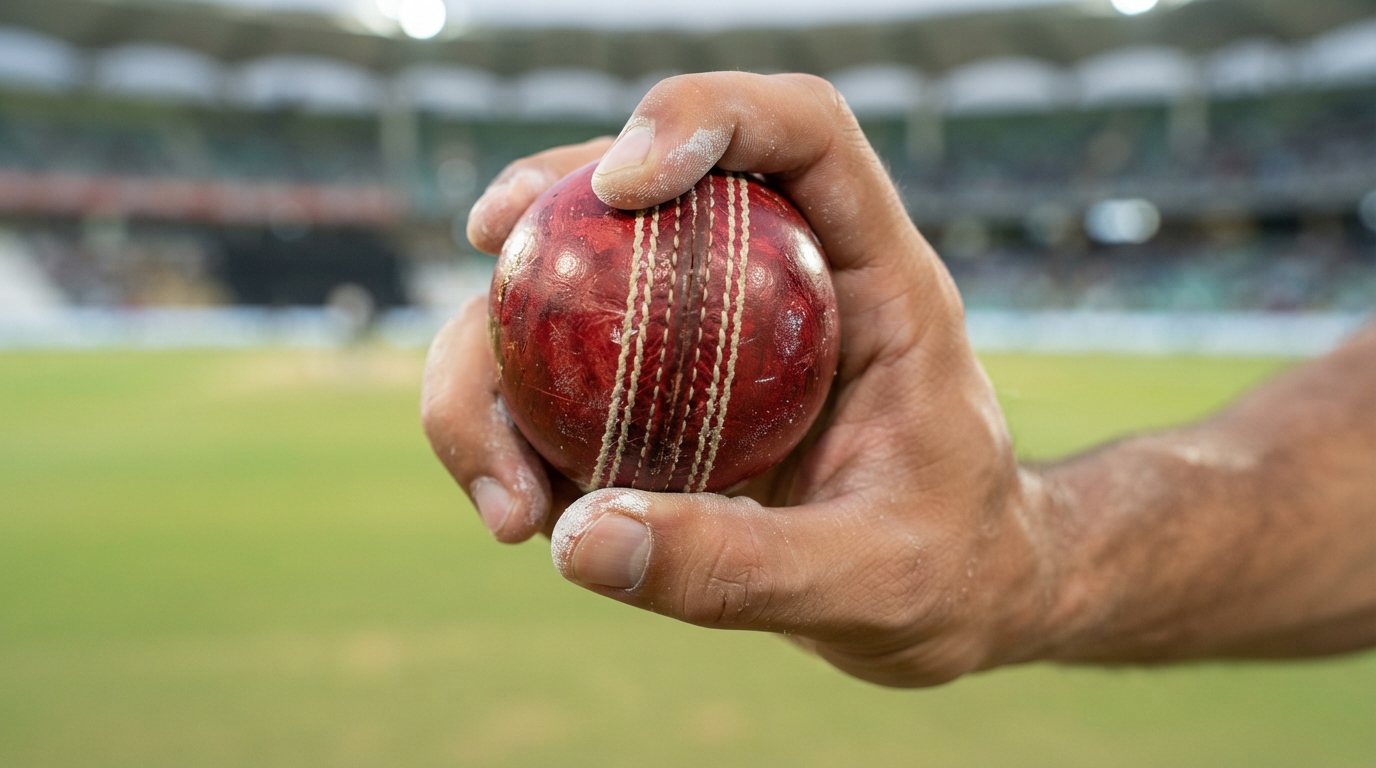
Anil Kumble did not turn the ball like a traditional leg-spinner. He bowled fast leg-breaks, flippers, and top-spinners that hurried batters off the surface.
On February 7, 1999, Kumble entered the history books against Pakistan at Feroz Shah Kotla in Delhi. Defending a target of 420 runs in the fourth innings, Kumble bowled unchanged from the Pavilion End. He claimed all 10 wickets in a single innings, finishing with figures of 10/74 [BCCI, 2024].
He became only the second bowler in Test history to take all ten wickets in an innings, matching England's Jim Laker. Kumble finished his international career with 619 Test wickets across 132 matches, standing as India's all-time leading Test wicket-taker and fourth overall worldwide [ICC / ESPNcricinfo, 2024].
The Eden Gardens Turnaround and Hat-Trick in 2001
In March 2001, Australia arrived in India riding a 16-match Test winning streak. They dominated the first Test in Mumbai and enforced the follow-on during the second Test at Eden Gardens in Kolkata.
Harbhajan Singh, just 20 years old at the time, turned the series around. In the first innings, he took India's first-ever Test hat-trick by dismissing Ricky Ponting, Adam Gilchrist, and Shane Warne in three consecutive deliveries [BCCI / ESPNcricinfo, 2024].
Harbhajan finished the match with 13 wickets and claimed 32 wickets across the three-match series. His off-spin combined sharp bounce, an attacking "doosra", and aggressive body language. India won the Kolkata match after following on, an outcome achieved only three times in Test history. You can study how this historic match fits into the broader timeline of modern sports in our guide to learning Indian history chronologically.
HARBHAJAN SINGH'S 2001 HAT-TRICK (Eden Gardens, Kolkata)
Ball 1: Ricky Ponting (LBW)
Ball 2: Adam Gilchrist (LBW)
Ball 3: Shane Warne (Caught at Forward Short-Leg by Sadagoppan Ramesh)
Pace off the Pitch: Redefining Modern Spin Strategy
Kumble and Harbhajan altered the tactical template for Indian slow bowlers. They abandoned the floaty style of the 1970s and increased their release speeds to 85–95 km/h.
SPIN STRATEGY COMPARISON: SPEED & BOUNCE

Metric           Classical Spin (1970s)    Modern Turn & Pace (1998-2008)
──────────────────────────────────────────────────────────────────────────
Release Velocity 70–78 km/h                85–95 km/h
Primary Weapon   Flight & Dip              Over-spin Bounce & Pace off Pitch
Key Dismissal    Bat-pad / Stumping        LBW / Bowled / Slip Edge
Primary Fielders Silly Point, Short Leg    Gully, Slip, Short Mid-Wicket
This speed gave batters less time to step out of their crease or adjust their footwork off the back foot. Over-spin caused the ball to hit the higher part of the bat, producing catches to slip and gully. Kumble's unerring accuracy paired perfectly with Harbhajan's sharp off-break turn, wearing down visiting teams during fourth-innings chases.
Why Are Ravichandran Ashwin and Ravindra Jadeja the Most Prolific Pair?
Ravichandran Ashwin and Ravindra Jadeja form the most successful bowling partnership in Indian cricket history. Through early 2024, the duo collected 587 wickets in 58 Tests together, surpassing Kumble and Harbhajan to set a new benchmark for bowling tandems.
INDIA'S MOST SUCCESSFUL TEST BOWLING PAIRS
┌──────────────────────────────┬───────────────┬────────────────┐
│ Bowling Tandem               │ Test Matches  │ Wickets Taken  │
├──────────────────────────────┼───────────────┼────────────────┤
│ R. Ashwin & R. Jadeja        │ 58            │ 587            │
│ A. Kumble & Harbhajan Singh  │ 54            │ 501            │
│ B.S. Bedi & B. Chandrasekhar │ 42            │ 368            │
└──────────────────────────────┴───────────────┴────────────────┘
Sources: Hindustan Times, 2024; India Today, 2024
Breaking Records: Surpassing the 500-Wicket Partnership Mark
The 500-wicket partnership mark is the historic milestone achieved by Ravichandran Ashwin and Ravindra Jadeja in January 2024 when the tandem surpassed Anil Kumble and Harbhajan Singh's tally of 501 Test wickets [India Today, 2024]. This accomplishment established Ashwin and Jadeja as the most prolific bowling pair in Indian spin bowlers history across 58 joint matches.
Ashwin works as the cerebral off-spinner who alters release points, seam angles, and speeds. Jadeja works as the relentless left-arm orthodox bowler who lands the ball on a repeatable line at 90–98 km/h.
Together, Ashwin and Jadeja took 587 wickets as a tandem in 58 Tests, with Ashwin claiming 317 wickets and Jadeja taking 270 during those joint appearances [Hindustan Times, 2024]. This consistency helped India maintain an unbeaten home Test series run lasting over a decade from 2013 to 2024.
The Science of Spin: Variations, Speed Shifts, and the DRS
The modern science of spin bowling is the strategic combination of subtle release variations, pace modulation, and Decision Review System (DRS) ball-tracking analytics. In Indian spin bowlers history, Ravichandran Ashwin and Ravindra Jadeja adapted to front-foot LBW adjudications by attacking the stumps directly on flatter trajectories at speeds of 90–98 km/h.
Before ball-tracking technology, umpires rarely gave batters out LBW when batters stepped forward to spin bowlers. The DRS proved that balls striking pads on the front foot often went on to hit the stumps. Ashwin and Jadeja adapted by attacking the stumps directly.
THE DRS IMPACT ON FINGER SPIN
Traditional Thinking: Batter plays forward with pad ──► Benefit of doubt to batter (Not Out)
Modern DRS Era:       Ball-tracking confirms path   ──► Front-foot LBWs rise by ~35%
Result:               Bowlers target stumps on flatter trajectories
Ashwin mastered the carrom ball, released with a flick of the middle finger to turn away from right-handers. Jadeja perfected an arm ball that looks identical to Jadeja's standard delivery but skids straight on with the arm.
Ashwin's Path to 500 Test Wickets
In February 2024, Ravichandran Ashwin reached 500 Test wickets during the third Test against England in Rajkot by dismissing Zak Crawley [ICC, 2024].
Ashwin achieved the milestone in just 98 Test matches, making Ashwin the second-fastest bowler in cricket history to reach 500 wickets, behind only Sri Lanka's Muttiah Muralitharan (87 matches) [ICC, 2024]. Ashwin also earned a 100th Test cap later that series in Dharamsala, taking nine wickets in the match. Ashwin's record includes 36 five-wicket hauls in Tests, placing Ashwin among the elite bowlers in global cricket history.
How Have Changing Pitches and White-Ball Formats Altered Indian Spin Bowlers History?
Shifts in pitch preparation, white-ball cricket rules, and modern bat sizes forced Indian spin bowlers to alter their mechanics. Bowlers shifted away from standard finger spin toward wrist spin and quicker, flatter trajectories to limit boundary scoring in limited-overs formats.
PITCH & FORMAT EVOLUTION (1960s to Present)
┌──────────────────────┬────────────────────────┬──────────────────────┐
│ Classical Era        │ Middle Era             │ Modern Era           │
│ (1960–1985)          │ (1990–2010)            │ (2015–Present)       │
├──────────────────────┼────────────────────────┼──────────────────────┤
│ Natural Coir/Matting │ Standard Clay Turfs    │ Hybrid & Hard Turfs  │
│ Uncovered Wickets    │ 5-Day Pitch Wear       │ Drop-in Pits & White │
│ Slow Turn & High Dip │ Good Bounce & Overspin │ High Ball Speeds     │
└──────────────────────┴────────────────────────┴──────────────────────┘
Pitch Evolution from Matting to Hybrid Turfs
During the early stages of Indian spin bowlers history, many domestic matches were played on coir matting or uncovered turf wickets. These surfaces offered uneven bounce and slow turn, rewarding bowlers who used generous flight.
Modern grounds use laser-leveled hybrid pitches with specialized clay mixtures. These surfaces hold together longer, resisting deep cracks.
Because modern pitches offer less natural deviation on the first two days, spinners must generate their own pace and dip through powerful core rotation. Bowlers can no longer wait for the pitch to break down on day four. They must create wickets through varying their angles on the crease and manipulating their release heights. To see how these infrastructure changes matched broader national developments, read our overview of 25 historic Indian events from 2000 to 2025.
The White-Ball Shift: Wrist Spin and the Kul-Cha Era
Between 2017 and 2021, India shifted its limited-overs bowling philosophy. Traditional finger spinners often struggled to take wickets in the middle overs of One-Day Internationals (ODIs) and T20s because flat white-ball pitches offered little grip.
India turned to a dual wrist-spin strategy featuring:
- Kuldeep Yadav: Left-arm unorthodox wrist spin (chinaman) with deceptive googlies.
- Yuzvendra Chahal: Classical leg-break bowler with an attacking wide-stump line.
Together nicknamed "Kul-Cha," this pair attacked batters through the middle overs of white-ball games. Wrist spinners do not depend on the pitch surface for turn. They spin the ball using wrist torque, allowing them to turn the ball on flat batting tracks in white-ball cricket worldwide.
WRIST SPIN VS FINGER SPIN MECHANICS
┌─────────────────────┬───────────────────────────┬───────────────────────────┐
│ Feature             │ Finger Spin (Ashwin/Bedi) │ Wrist Spin (Kuldeep/Chahal│
├─────────────────────┼───────────────────────────┼───────────────────────────┤
│ Release Source      │ Index/Middle Finger Twist │ Wrist Snap & Pronation    │
│ Pitch Dependence    │ High (Needs Surface Grip) │ Low (Creates Own Turn)    │
│ Primary Danger      │ Drift, Seam Angle, LBW    │ Mystery Turn, Both Ways   │
│ White-Ball Role     │ Economic Control / Stumps │ Attacking Middle Wickets  │
└─────────────────────┴───────────────────────────┴───────────────────────────┘
Indian Spin Eras Across Generations
The table below illustrates how each generation of Indian spinners contributed to Test cricket across different decades:
| Era | Primary Bowlers | Total Wickets (Pair/Unit) | Notable Series Milestone | Key Technical Trait |
|---|---|---|---|---|
| 1961–1979 | Bedi, Prasanna, Chandrasekhar, Venkataraghavan | 853 in 231 Tests | 1971 Series Wins (Eng & WI) | Flight, drift, wide variations in air speed |
| 1980–1995 | Dilip Doshi, Maninder Singh, Narendra Hirwani | 350+ combined | 1988 Madras Test (Hirwani 16/136) | Classical drift with quick under-cutters |
| 1998–2008 | Anil Kumble, Harbhajan Singh | 501 in 54 Tests | 2001 Border-Gavaskar Trophy | Rapid pace off pitch, over-spin bounce, doosra |
| 2011–Present | R. Ashwin, Ravindra Jadeja | 587 in 58 Tests | Unbeaten Home Series Run (2013–2024) | Carrom ball, DRS front-foot traps, side-spin angles |
What Can Modern Bowlers Learn from Historic Indian Spin Strategies?
Young bowlers can improve their craft by studying how historic Indian spinners set traps, managed release velocities, and constructed spells. Developing a complete spin attack requires mastering trajectory adjustments and crease geometry rather than searching for instant turn.
THREE PILLARS OF INDIAN SPIN STRATEGY
┌────────────────────────────────────────────────────────┐
│ 1. CREASE GEOMETRY                                     │
│    Varying release from wide to close to the stumps.   │
├────────────────────────────────────────────────────────┤
│ 2. TRAJECTORY CONTROL                                  │
│    Masking speed variations within identical arm speed.│
├────────────────────────────────────────────────────────┤
│ 3. THE TACTICAL TRAP                                   │
│    Bowling 4-5 stock balls to set up 1 surprise turn.  │
└────────────────────────────────────────────────────────┘
Angles, Arm Speed, and Crease Depth
A common mistake among developing slow bowlers is relying entirely on surface spin. When a pitch does not turn, one-dimensional bowlers become ineffective.
Indian spinners excel at using the full width of the bowling crease:
- Wide of the Crease: Ashwin angles the ball into right-handed batters from wide out, forcing them to play toward mid-on. He then delivers a straight ball that catches the outside edge.
- Close to the Stumps: Jadeja bowls tight against the umpire's body, maximizing the chance of getting an LBW or bowled dismissal if the ball skids straight.
- Crease Depth: Kumble often delivered from two inches behind the popping crease to alter the ball's bouncing point without changing his arm action.
Maintaining uniform arm speed while changing release points keeps batters guessing. When your arm speed stays identical, the batter cannot read whether the ball is traveling at 82 km/h or 92 km/h until it leaves your hand.
Setting Traps: Patience Over Instant Turn
Bishan Singh Bedi often set up dismissals over several overs. He would bowl four consecutive deliveries on a teasing off-stump line, pushing the batter deeper into the crease. On the fifth delivery, he would pull his length back by six inches and impart extra revolutions, inducing a mistimed drive.
Developing spinners should avoid trying to bowl a magic wicket-taking delivery every ball. You can learn more about how patient discipline builds long-term athletic success in our look at historic milestones in Indian track and field.
Spin bowling is a game of pattern recognition. Bowl three deliveries that behave identically to establish a pattern in the batter's mind. Once the batter commits to that pattern, change the seam orientation or velocity to produce a false shot.
Frequently Asked Questions
Q: Who is the leading wicket-taker among Indian spin bowlers in Test cricket history?
Anil Kumble holds the record with 619 Test wickets in 132 matches. He took 35 five-wicket hauls during his international career and ranks fourth on the all-time global list behind Muttiah Muralitharan, Shane Warne, and James Anderson.
Q: Which Indian spin bowlers took all 10 wickets in a single Test innings?
Anil Kumble is the only Indian bowler to take all 10 wickets in a Test innings, achieving figures of 10/74 against Pakistan at Delhi in 1999. In world cricket, only England's Jim Laker (1956) and New Zealand's Ajaz Patel (2021) have matched this feat.
Q: Who were the members of India's Famous Spin Quartet?
The Famous Spin Quartet consisted of Bishan Singh Bedi (left-arm orthodox), E.A.S. Prasanna (off-spin), B.S. Chandrasekhar (leg-spin), and Srinivas Venkataraghavan (off-spin). They played together between 1961 and 1979, taking 853 Test wickets.
Q: How fast did Ravichandran Ashwin reach 500 Test wickets?
Ravichandran Ashwin took 98 Test matches to claim his 500th Test wicket, reaching the milestone against England in February 2024. He is the second-fastest bowler to hit this mark in Test history, trailing only Muttiah Muralitharan, who reached it in 87 matches.
To improve your own bowling or technical match analysis, evaluate your release angles before tweaking your wrist variations. Pick one specific mechanical adjustment, such as moving wider on the crease or increasing over-spin revolutions, and practice it across three consecutive training sessions. Once you can repeat the trajectory with identical arm speed, test it in match conditions against top-order batters.
Related Reading
- Milestones in Indian Women's History: A Chronological Guide
- 1,000 Years of Indian Medical History: A Chronological Guide
- Economic Milestones in Indian History: From 1947 to Present
- What Are the Major Events in Indian History? (FAQ Archive)
Sources
- Massive career milestone for Ravichandran Ashwin in Rajkot Test — International Cricket Council, 2024. Supports: Ravichandran Ashwin reaching 500 Test wickets in 98 matches against England in Rajkot by dismissing Zak Crawley.
- Laker, Kumble, Patel: how the trio claimed all ten — International Cricket Council, 2021. Supports: Anil Kumble claiming all 10 wickets in a single Test innings with figures of 10/74 against Pakistan in Delhi in 1999.
- Anil Kumble | Hall of Fame — International Cricket Council, 2021. Supports: Anil Kumble finishing his international career with 619 Test wickets in 132 matches as India's all-time leading Test wicket-taker.
- Harbhajan Singh announces retirement from all forms of cricket — Board of Control for Cricket in India, 2021. Supports: Harbhajan Singh taking India's first Test hat-trick against Australia in 2001 (Ponting, Gilchrist, Warne) and claiming 13 wickets in the match.
- R Ashwin and Ravindra Jadeja go past Kumble-Harbhajan to become Indian bowling pair with most wickets in Tests — India Today, 2024. Supports: Ravichandran Ashwin and Ravindra Jadeja surpassing Anil Kumble and Harbhajan Singh's tally of 501 wickets to become India's most successful Test pair.
- Ashwin and Jadeja: A pair beyond compare — Hindustan Times, 2024. Supports: Ashwin and Jadeja finishing with 587 wickets across 58 Test matches together (Ashwin 317, Jadeja 270).