Firsts in Indian Bowling: Historic Cricket Records and Dates
Bottom Line
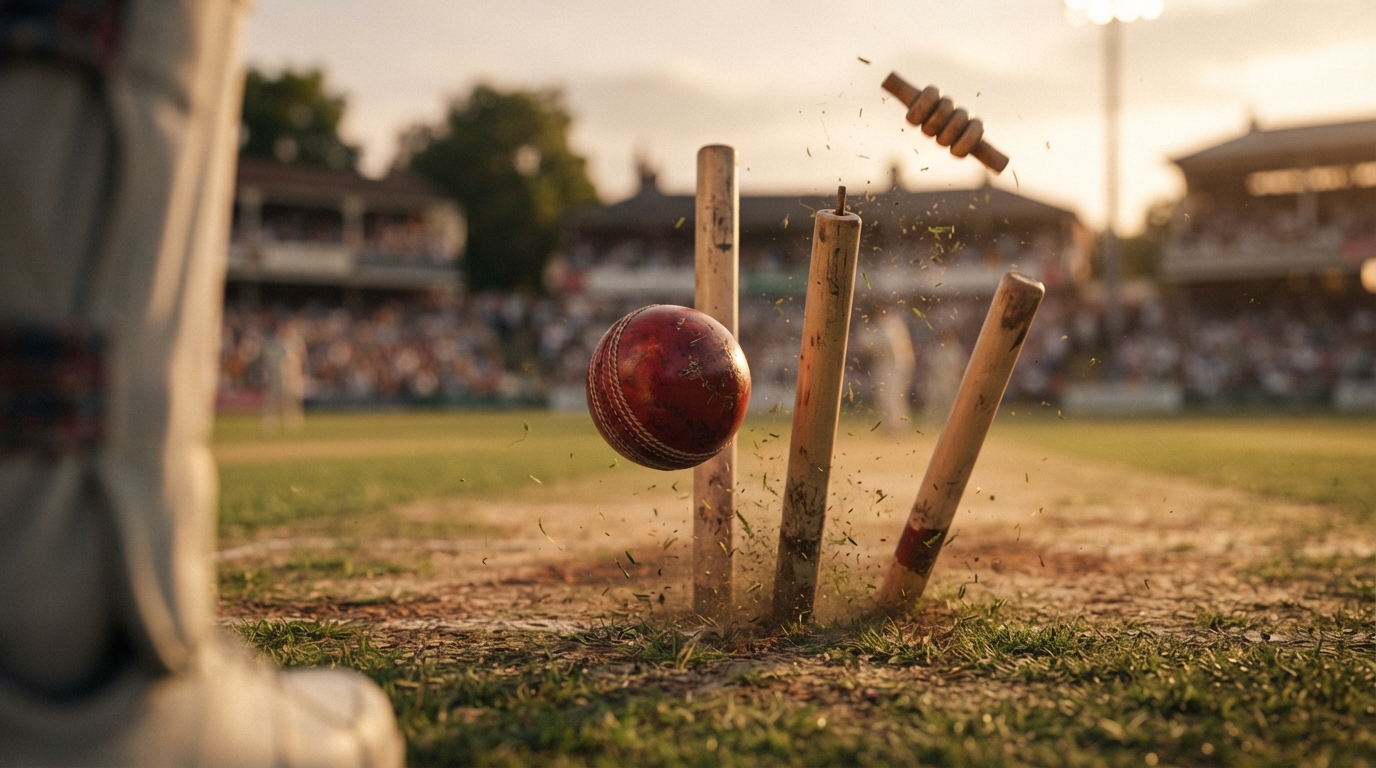
The chronological timeline of historic Indian cricket records is an evolving record of international bowling milestones established across nine decades. Beginning on June 25, 1932, when Mohammad Nissar took 5 wickets for 93 runs at Lord's, Indian bowlers have set global benchmarks including Anil Kumble's 10-wicket innings in 1999 and Jhulan Goswami's 255 ODI wickets.
Key Takeaways
- Mohammad Nissar claimed India's first Test wicket and five-wicket haul on June 25, 1932.
- Anil Kumble became the second bowler in Test history to take all ten wickets in an innings.
- Chetan Sharma took the first Men's ODI World Cup hat-trick on October 31, 1987.
- Diana Edulji and Ekta Bisht set pioneering milestones in women's international cricket across formats.
- Jasprit Bumrah earned the 2024 ICC Men's Test Cricketer of the Year award with 71 wickets.
On June 25, 1932, it took exactly 20 minutes for India to announce its presence in international cricket. Playing their maiden Test match at Lord's against England, fast bowler Mohammad Nissar clean-bowled opening batsman Herbert Sutcliffe. He followed it up by dismissing Percy Holmes just four deliveries later.
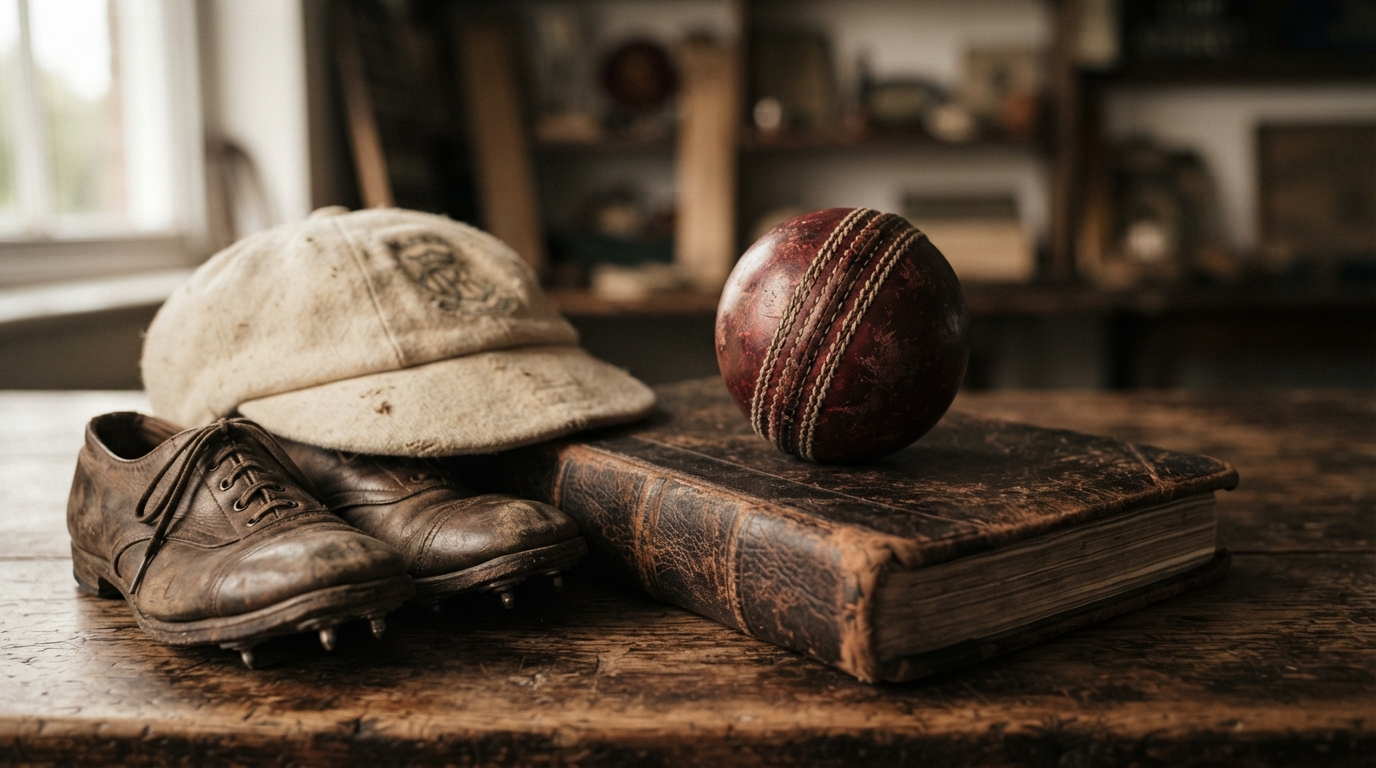
That opening spell laid the foundation for decades of international achievements. Bowling in India was long viewed purely through the lens of spin. Yet, archiving historic Indian cricket records provides a clear look at how Indian bowling evolved across formats. The nation produced world-class swing pioneers, legendary spin quartets, and modern pace attacks.
Tracking these sporting milestones date by date gives sports fans and researchers a practical view of athletic progress. If you explore historic dates in modern India, you will see that sporting breakthroughs often mirror broader national developments.
Who Bowled India's Earliest Historic Indian Cricket Records in Test Matches?
India's earliest historic Indian cricket records in Test matches were established by Mohammad Nissar, Ladha Amar Singh, Kapil Dev, and Anil Kumble between 1932 and 1999. These foundational bowling performances against England, Sri Lanka, and Pakistan proved that Indian bowlers could challenge elite batting lineups across international conditions on distinct calendar dates.
+------------------+-------------------+-----------------+------------------------+
| Date             | Bowler            | Opposition      | Milestone              |
+------------------+-------------------+-----------------+------------------------+
| June 25, 1932    | Mohammad Nissar   | England         | First Test 5-wicket bag|
| February 8, 1994 | Kapil Dev         | Sri Lanka       | World record 432 wkts  |
| February 7, 1999 | Anil Kumble       | Pakistan        | 10 wickets in innings  |
+------------------+-------------------+-----------------+------------------------+
Mohammad Nissar and the 1932 Lord's Debut
Mohammad Nissar became India's first genuine fast-bowling pioneer on June 25, 1932. England had won the toss and elected to bat on a firm pitch at Lord's. Nissar bowled with express pace and sharp inward movement. He took 5 wickets for 93 runs in 26 overs [IndiaNetzone, 2024].
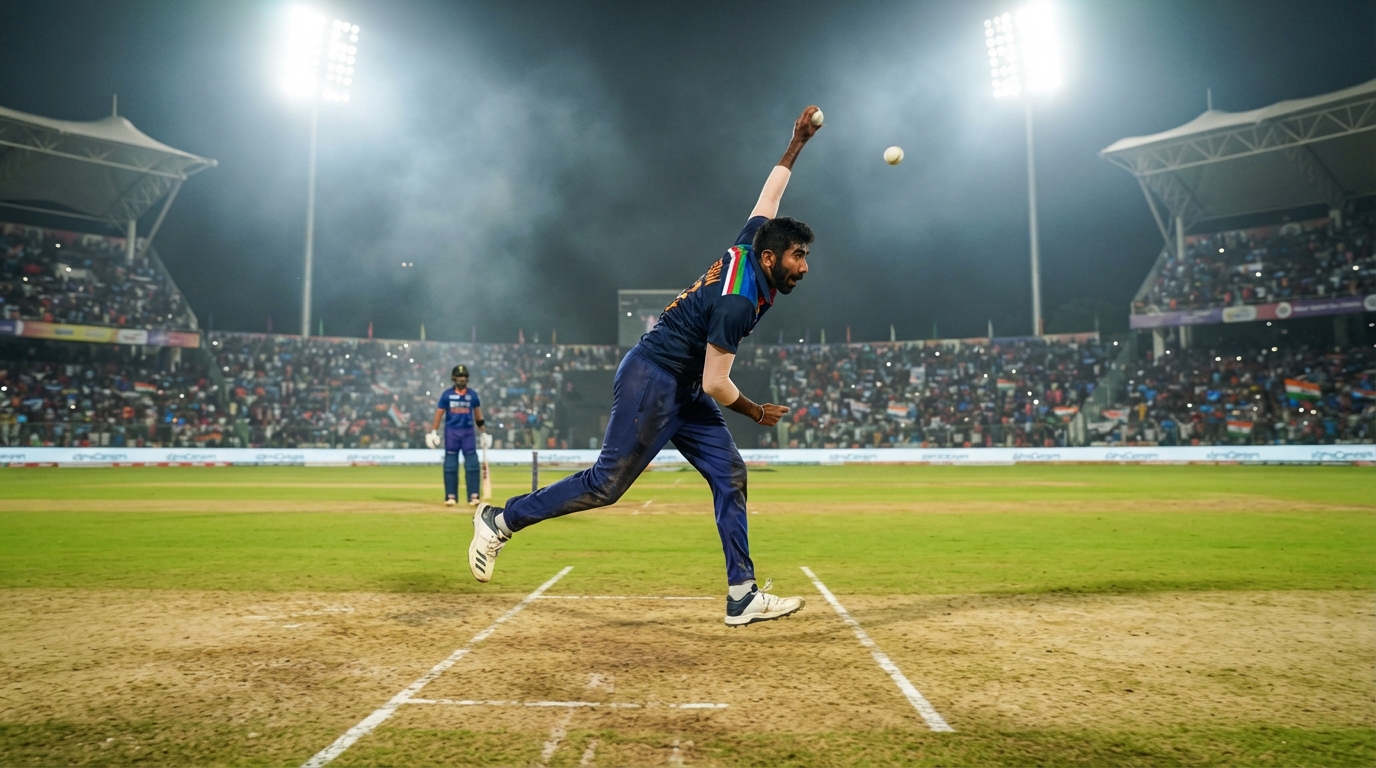
His opening spell dismantled the English top order. Sutcliffe fell for 3 runs, and Holmes departed for 6. Both batsmen had recently set a world-record opening partnership of 555 runs in English domestic cricket. Nissar showed that Indian bowling possessed international quality from its very first morning. His bowling partner, Ladha Amar Singh, provided tight support from the other end. Amar Singh claimed 2 for 75 in 31 overs.
Their performances proved that early Indian cricket did not rely solely on slow pitches and spin. Nissar finished his career with 25 wickets in 6 Tests, establishing an enduring standard for Indian opening bowlers.
How Did Kapil Dev Establish the 434-Wicket Benchmark?
Kapil Dev's 434-wicket tally is a world record benchmark in Indian bowling history, achieved between Kapil Dev's international debut in October 1978 and final Test in 1994. Kapil Dev transformed India's bowling by delivering over 27,000 balls without match breakdowns, ultimately breaking Sir Richard Hadlee's world mark of 431 Test wickets [Wisden / ESPNcricinfo, 2023].
For decades, Indian captains opened matches with spinners or part-time medium pacers. Kapil Dev changed that pattern completely. On February 8, 1994, at the KD Singh Babu Stadium in Lucknow, Kapil Dev claimed a 432nd Test wicket by dismissing Sri Lanka's Hashan Tillakaratne. That dismissal broke the world record previously held by New Zealand fast bowler Sir Richard Hadlee. Kapil Dev went on to finish an international career with 434 Test wickets.
Kapil Dev held this global record until Courtney Walsh surpassed the mark in 2000. In historical retrospectives, Kapil Dev noted that early Indian fast bowlers lacked systematic pace infrastructure, making those early swing records fundamentally unique [Wisden / ESPNcricinfo, 2023]. Kapil Dev's longevity created a blueprint for future generations of fast bowlers across India.
Anil Kumble and the Perfect Ten at Kotla
Leg-spinner Anil Kumble produced one of the most remarkable bowling performances in cricket history on February 7, 1999. Playing against Pakistan in the second Test at the Feroz Shah Kotla ground in Delhi, India set a fourth-innings target of 420 runs.
Pakistan made a strong start. Openers Saeed Anwar and Shahid Afridi put together a 101-run partnership before lunch. Kumble changed the match after the interval. Bowling from the Pavilion End, he extracted consistent bounce and sharp turn from the pitch.
Kumble took all 10 wickets in a single innings, finishing with figures of 10 for 74 in 26.3 overs [DD Sports, 2022]. He became only the second bowler in international Test history to achieve this feat, joining England's Jim Laker (1956). New Zealand's Ajaz Patel later matched the record in 2021.
Kumble's performance helped India secure a 212-run victory. The match confirmed his position as India's premier match-winner on fifth-day subcontinental pitches. Kumble ended his career with 619 Test wickets, remaining India's leading wicket-taker in the longest format.
Which Bowlers Secured the First Limited-Overs Milestones?
Indian bowlers claimed major white-ball milestones through Chetan Sharma's 1987 World Cup hat-trick, Kapil Dev's 1991 Asia Cup hat-trick, and Mohammed Shami's seven-wicket haul in 2023. These white-ball performances added a new chapter to historic Indian cricket records during an era when limited-overs cricket grew rapidly in popularity.
Limited-Overs Bowling Milestones
├── 1987: Chetan Sharma (First World Cup hat-trick vs New Zealand)
├── 1991: Kapil Dev (Asia Cup final hat-trick vs Sri Lanka)
└── 2023: Mohammed Shami (7/57 World Cup semifinal vs New Zealand)
Chetan Sharma at the 1987 Reliance World Cup
The 1987 Reliance World Cup was the first edition held outside England. On October 31, 1987, India played New Zealand in their final group match at the Vidarbha Cricket Association Ground in Nagpur. India needed a quick victory to top their group and secure a favorable semifinal draw.
Medium-pacer Chetan Sharma entered the bowling attack in the 42nd over of New Zealand's innings. With the last three deliveries of his sixth over, Sharma made history [The Times of India, 2024]:
- Ken Rutherford was clean-bowled for 11 runs while attempting an expansive drive.
- Ian Smith was clean-bowled for a duck as the delivery jagged back to hit middle stump.
- Ewen Chatfield was clean-bowled for a duck with an accurate, full-length inswinger.
All three batsmen were dismissed bowled. It was the first hat-trick in the history of the Men's Cricket World Cup and the first One-Day International (ODI) hat-trick by an Indian bowler. Sharma's spell restricted New Zealand to 221 runs, allowing India to chase down the target in just 32.1 overs.
Kapil Dev at Eden Gardens in 1991
Eden Gardens in Kolkata hosted the final of the 1990–91 Asia Cup on January 2, 1991. India faced Sri Lanka in a high-pressure title match. Sri Lanka batted first and built a steady platform around their top order.
Kapil Dev broke the game open with a multi-over hat-trick. He dismissed Roshan Mahanama caught behind by Kiran More on the final ball of his eighth over. Returning to bowl his ninth over, Kapil trapped Sanath Jayasuriya leg-before-wicket with his first delivery. He then had Rumesh Ratnayake trapped leg-before-wicket with the next ball.
The hat-trick shifted the momentum entirely in India's favor. Sri Lanka was restricted to 204 runs for 9 wickets. India chased down the target with seven wickets in hand, lifting the Asia Cup trophy. Kapil became the second Indian bowler to record an ODI hat-trick.
Mohammed Shami and Modern World Cup Breakthroughs
Fast bowler Mohammed Shami set the modern standard for World Cup bowling during the 2023 tournament. On November 15, 2023, India faced New Zealand in the semifinal at the Wankhede Stadium in Mumbai. Defending a total of 397 runs, Indian bowlers faced a challenging task on a batting-friendly surface.
Shami delivered the finest individual bowling spell in Indian ODI history. He took 7 wickets for 57 runs in 9.5 overs [ICC / Wikipedia, 2024]. He dismissed both opening batsmen, Devon Conway and Rachin Ravindra, before returning to break a dangerous 181-run partnership between Kane Williamson and Daryl Mitchell.
Shami finished the 2023 World Cup with 24 wickets in just 7 matches at an average of 10.70. His 7 for 57 remains the best bowling figures by an Indian in One-Day Internationals. For readers interested in structured research, our dates index for Indian history outlines how these dates fit into broader sports timelines.
How Did Women Bowlers Establish Historic Indian Cricket Records?
Women cricketers established historic Indian cricket records starting on October 31, 1976, when Diana Edulji claimed India's first Women's Test wicket against the West Indies. Subsequent milestones include Ekta Bisht's international Twenty20 hat-trick against Sri Lanka in 2012 and Jhulan Goswami's world-record total of 255 Women's One-Day International dismissals.
+------------------+-------------------+-----------------+------------------------+
| Date             | Player            | Opposition      | Milestone              |
+------------------+-------------------+-----------------+------------------------+
| October 31, 1976 | Diana Edulji      | West Indies     | First Women's Test wkt |
| October 3, 2012  | Ekta Bisht        | Sri Lanka       | First Women's T20I hat |
| March 12, 2022   | Jhulan Goswami    | West Indies     | World Cup wicket record|
+------------------+-------------------+-----------------+------------------------+
Diana Edulji and the 1976 Test Breakthrough
India Women played their inaugural Test match against the West Indies at the M. Chinnaswamy Stadium in Bengaluru starting on October 31, 1976. Slow left-arm orthodox spinner Diana Edulji opened the bowling attack for India alongside Ujwala Nikam.
Edulji claimed India's first wicket in women's international cricket by dismissing West Indies opener Grace Williams. She took 4 wickets for 76 runs in the first innings and another 2 wickets in the second innings. Her accurate line and length made her the anchor of the bowling unit throughout the six-match series.
Edulji played 20 Tests and 34 ODIs between 1976 and 1993, finishing with 63 Test wickets and 46 ODI wickets. She captained India in two World Cups and advocated for improved infrastructure for female athletes. Her career is chronicled in detail in our guide to milestones in Indian women's history.
Ekta Bisht and India's First T20 International Hat-Trick
Left-arm spinner Ekta Bisht achieved an international milestone on October 3, 2012. Playing against Sri Lanka in an ICC Women's World Twenty20 play-off match at the Nondescripts Cricket Club Ground in Colombo, Bisht dismantled the opposition's lower order.
In the final over of Sri Lanka's innings, Bisht claimed three wickets in three consecutive deliveries:
- Dilani Manodara was caught by Harmanpreet Kaur for 1 run.
- Yashoda Mendis was clean-bowled for a duck.
- Eshani Lokusuriyage was clean-bowled for a duck.
Bisht finished with match figures of 3 for 16 in her 4 overs. This performance marked the first hat-trick by any Indian bowler in Twenty20 Internationals, across both men's and women's teams. India won the match comfortably by 9 wickets.
How Did Jhulan Goswami Set the Global ODI Benchmark?
Jhulan Goswami's 255-wicket tally is the global benchmark for One-Day International bowling in women's cricket, achieved during a 20-year career spanning January 2002 to September 2022. Goswami became the format's all-time top wicket-taker on May 9, 2017, and set the all-time Women's World Cup record on March 12, 2022.
Jhulan Goswami debuted for India in January 2002 against England in Chennai. Over two decades, the tall fast bowler from Chakdaha, West Bengal, transformed women's pace bowling.
On May 9, 2017, Goswami became the leading wicket-taker in Women's ODI history when Goswami dismissed South Africa's Raisibe Ntozakhe in Potchefstroom, surpassing Australian Cathryn Fitzpatrick's tally of 180 wickets. On March 12, 2022, during the ICC Women's World Cup in Hamilton, New Zealand, Goswami broke the all-time record for most wickets in Women's World Cup history by taking a 40th tournament wicket against the West Indies.
Goswami retired from international cricket in September 2022 with 255 ODI wickets, 44 Test wickets, and 56 T20I wickets. Goswami's tally of 255 ODI wickets remains the highest total in women's cricket history.
What Are the Key Bowling Hat-Tricks Across Formats?
Indian bowlers have taken hat-tricks across Tests, ODIs, and T20Is, beginning with Harbhajan Singh in 2001. Irfan Pathan recorded the only first-over Test hat-trick in 2006, while Deepak Chahar registered India's first Men's T20I hat-trick in 2019. Hat-tricks hold a unique place within historic Indian cricket records because they require three consecutive errors from opposing batsmen.
Indian International Hat-Tricks by Format
├── Test Matches
│   ├── Harbhajan Singh (2001 vs Australia)
│   ├── Irfan Pathan (2006 vs Pakistan)
│   └── Jasprit Bumrah (2019 vs West Indies)
├── One-Day Internationals
│   ├── Chetan Sharma (1987 vs New Zealand)
│   ├── Kapil Dev (1991 vs Sri Lanka)
│   ├── Kuldeep Yadav (2017 vs Australia, 2019 vs West Indies)
│   └── Mohammed Shami (2019 vs Afghanistan)
└── Twenty20 Internationals
    ├── Ekta Bisht (2012 vs Sri Lanka)
    └── Deepak Chahar (2019 vs Bangladesh)
Harbhajan Singh at Eden Gardens in 2001
Off-spinner Harbhajan Singh changed the course of Indian Test history on March 11, 2001. Australia arrived in Kolkata for the second Test on a 16-match Test winning streak. Batting first, Australia reached a commanding position at 252 for 4 on the first afternoon.
In the 72nd over of the innings, Harbhajan struck three consecutive blows [The Times of India, 2024]:
- Ricky Ponting missed a straight delivery and was trapped leg-before-wicket for 6.
- Adam Gilchrist was struck on the pads by an arm-ball and dismissed leg-before-wicket for 0.
- Shane Warne flicked a delivery to forward short-leg, where Sadagoppan Ramesh took a sharp catch.
Harbhajan became the first Indian bowler to take a Test hat-trick. He took 7 for 123 in the first innings and 6 for 73 in the second innings, helping India win the match after following on. India went on to win the series 2-1 in Chennai.
Irfan Pathan and the 2006 First-Over Hat-Trick
Left-arm swing bowler Irfan Pathan produced an unprecedented spell on January 29, 2006, at the National Stadium in Karachi. In the third Test against Pakistan, India elected to field on a green-tinged pitch.
Pathan bowled the opening over of the match. After three dot balls, he found sharp late swing:
- Delivery 4: Salman Butt pushed at an outswinger and was caught by Rahul Dravid at first slip for 0.
- Delivery 5: Younis Khan was trapped leg-before-wicket by an inswinging yorker for 0.
- Delivery 6: Mohammad Yousuf played down the wrong line to a late inswinger and was clean-bowled for 0.
Pathan became the first and only bowler in Test cricket history to take a hat-trick in the very first over of a Test match. His feat remains one of the most technically demanding achievements in international bowling.
Deepak Chahar and the 2019 T20I Record
Right-arm medium pacer Deepak Chahar established a new benchmark for Twenty20 International bowling on November 10, 2019. In the third T20I against Bangladesh at the Vidarbha Cricket Association Stadium in Nagpur, India defended a total of 174 runs in wet conditions.
Chahar took 6 wickets for just 7 runs in 3.2 overs, recording the best bowling figures in Men's T20I history at the time [The Times of India, 2024]. His spell included a split-over hat-trick:
- On the final ball of the 18th over, he had Shafiul Islam caught at deep midwicket.
- On the first ball of the 20th over, he clean-bowled Mustafizur Rahman.
- On the second ball of the 20th over, he clean-bowled Aminul Islam with a yorker.
Chahar became the first Indian male bowler to take a T20I hat-trick. His figures of 6 for 7 remain India's best individual bowling display in the twenty-over format.
How Did the Tactical Shift from Spin to Fast Bowling Happen?
The tactical shift in Indian bowling is a structural evolution from the spin quartet era of the 1970s to the four-man pace battery of the 2020s. Improved athletic conditioning, specialized coaching academies, and grassed domestic pitches allowed historic Indian cricket records to transition from spin reliance to overseas pace dominance.
Pace vs. Spin Shift Over Time
┌────────────────────────────────────────────────────────┐
│ 1970s: The Spin Quartet Era (Bedi, Prasanna, Chandra)   │
│ 1980s-90s: Kapil Dev Longevity & Kumble Domination     │
│ 2000s: Emergence of Zaheer, Nehra, and Pathan          │
│ 2020s: Global Pace Battery (Bumrah, Shami, Siraj)      │
└────────────────────────────────────────────────────────┘
The Famous 1970s Spin Quartet Era
During the late 1960s and 1970s, the Indian bowling unit was defined by four spinners:
- Bishen Singh Bedi (Left-arm orthodox, 266 Test wickets)
- Bhagwat Chandrasekhar (Leg-spin / googly, 242 Test wickets)
- Erapalli Prasanna (Off-spin, 189 Test wickets)
- Srinivas Venkataraghavan (Off-spin, 156 Test wickets)
Operating without regular fast bowling support, the quartet bowled over 60 percent of India's total overs between 1966 and 1978. In 1971, their collective discipline led India to its first Test series victories in both the West Indies and England. Chandrasekhar took 6 for 38 at The Oval in August 1971 to secure India's maiden Test win on English soil.
The strategy required batsmen to face constant spin pressure from both ends. While effective, the lack of pace bowling left India vulnerable on hard, bouncy tracks in Australia and the Caribbean. For more context on tracking sporting eras chronologically, see our guide to learning Indian history easily.
How Did Systematic Pace Infrastructure Develop in India?
Systematic pace infrastructure in India is a structured development pipeline inaugurated in 1987 with the establishment of the MRF Pace Foundation in Chennai under Australian fast bowler Dennis Lillee. This institutional system introduced physical conditioning, workload monitoring, and biomechanical analysis, transforming India from a spin-dominated country into a prolific producer of world-class pace bowlers.
By the late 1990s and 2000s, this development system produced international seamers such as Javagal Srinath, Zaheer Khan, Ashish Nehra, and RP Singh. Zaheer Khan mastered reverse swing with the older ball during India's 2007 Test series victory in England.
Between 2010 and 2020, domestic training centers expanded, and standard pitches in the Ranji Trophy were curated with grass cover to support faster bowling. You can read more about how Indian fast bowlers developed in our piece on the evolution of Indian fast bowling.
Jasprit Bumrah and Modern Fast Bowling Standards
Fast bowler Jasprit Bumrah represents the modern peak of Indian bowling versatility. Known for his unique hyperextension bowling action and repeatable run-up, Bumrah made his Test debut in South Africa in January 2018.
By the end of 2024, Bumrah was named the ICC Men's Test Cricketer of the Year after taking 71 Test wickets across the calendar year at an average of 14.92 and a strike rate of 30.1 [ICC, 2025]. Former Australia captain Ricky Ponting noted that Bumrah's impact across varying conditions has redefined contemporary pace bowling excellence [ICC, 2025].
Alongside Bumrah, left-arm pacer Arshdeep Singh emerged as a premier T20 bowler. Arshdeep finished as the joint-highest wicket-taker at a single Men's T20 World Cup with 17 wickets during India's victorious 2024 campaign [Olympics.com, 2026]. Today, India regularly wins overseas Test matches in Australia, England, and South Africa behind a four-man pace attack.
When Were the Major Bowling Milestones Recorded?
The milestone chronology of historic Indian cricket records is a verified timeline of bowling achievements recorded across international Test, ODI, and T20 cricket between June 25, 1932, and June 29, 2024. This record details iconic performances by bowlers including Mohammad Nissar, Kapil Dev, Anil Kumble, Ekta Bisht, Jhulan Goswami, and Mohammed Shami.
+-------------------+-------------------+-------------+------------------------+---------------------------------------+
| Calendar Date     | Bowler            | Format      | Opponent               | Milestone Achieved                    |
+-------------------+-------------------+-------------+------------------------+---------------------------------------+
| June 25, 1932     | Mohammad Nissar   | Men's Test  | England                | First Test wicket & 5-wicket haul     |
| August 24, 1971   | B. Chandrasekhar  | Men's Test  | England                | 6/38 at The Oval; 1st Test win in ENG |
| October 31, 1976  | Diana Edulji      | Women Test  | West Indies            | First wicket in Indian Women's Test   |
| October 31, 1987  | Chetan Sharma     | Men's ODI   | New Zealand            | First World Cup hat-trick             |
| January 2, 1991   | Kapil Dev         | Men's ODI   | Sri Lanka              | Asia Cup final hat-trick              |
| February 8, 1994  | Kapil Dev         | Men's Test  | Sri Lanka              | 432nd Test wicket (World Record)      |
| February 7, 1999  | Anil Kumble       | Men's Test  | Pakistan               | 10/74 (All 10 wickets in an innings)  |
| March 11, 2001    | Harbhajan Singh   | Men's Test  | Australia              | First Men's Test hat-trick for India  |
| January 29, 2006  | Irfan Pathan      | Men's Test  | Pakistan               | First-over Test match hat-trick       |
| October 3, 2012   | Ekta Bisht        | Women T20I  | Sri Lanka              | First Indian T20I hat-trick (M/W)     |
| May 9, 2017       | Jhulan Goswami    | Women ODI   | South Africa           | Most career wickets in Women's ODIs   |
| November 10, 2019 | Deepak Chahar     | Men's T20I  | Bangladesh             | 6/7 and Men's T20I hat-trick          |
| November 15, 2023 | Mohammed Shami    | Men's ODI   | New Zealand            | 7/57 (Best figures by an Indian in ODI)|
| June 29, 2024     | Arshdeep Singh    | Men's T20I  | South Africa           | 17 wkts in single T20 World Cup       |
+-------------------+-------------------+-------------+------------------------+---------------------------------------+
These dates document key tactical developments across different eras of international cricket. Looking at specific dates like August 20 in Indian history, August 21 in Indian history, or August 22 in Indian history demonstrates how late August frequently coincided with the decisive final Tests of summer tours in England. Every calendar date in Indian cricket history carries verified player records and tactical milestones.
Related Reading
- Historic Milestones in Indian Athletics: Track and Field Records
- Historic Milestones of Indian Cinema on the Global Stage
- 25 Historic Indian Events from 2000 to 2025: A Timeline
- Record-Breaking Runs: Historic Dates in Indian Regional Cinema
FAQ
Q: Who took the first international cricket wicket for India?
Mohammad Nissar took India's first international wicket on June 25, 1932. He clean-bowled England opener Herbert Sutcliffe during India's inaugural Test match at Lord's.
Q: How many Indian bowlers have taken a hat-trick in Test cricket?
Three Indian bowlers have taken a Test match hat-trick. Harbhajan Singh achieved it in 2001 against Australia, Irfan Pathan followed in 2006 against Pakistan, and Jasprit Bumrah completed one in 2019 against the West Indies.
Q: Who holds the record for the best bowling figures in an ODI for India?
Mohammed Shami holds the record for the best individual bowling figures in an ODI for India. He took 7 wickets for 57 runs against New Zealand during the 2023 ICC Men's Cricket World Cup semifinal at Wankhede Stadium.
Q: Who was the first Indian bowler to take a T20 International hat-trick?
Ekta Bisht was the first Indian bowler to take a T20I hat-trick, achieving the feat on October 3, 2012, against Sri Lanka. Deepak Chahar became the first Indian male bowler to achieve a T20I hat-trick on November 10, 2019, against Bangladesh.
Bookmark this date index and review one milestone per week to strengthen your chronological understanding of Indian sports history.
Sources
- India bowling icon named ICC Men's Test Cricketer of the Year — International Cricket Council, 2025. Supports: Jasprit Bumrah being named the 2024 ICC Men's Test Cricketer of the Year after claiming 71 Test wickets.
- March 11, 2001: When Harbhajan Singh claimed hat-trick vs Australia in historic win at Eden Gardens in Kolkata — India Today, 2021. Supports: Harbhajan Singh taking India's first Men's Test hat-trick by dismissing Ricky Ponting, Adam Gilchrist, and Shane Warne in March 2001.
- When Karachi woke up to Irfan Pathan's hat-trick in 2006 — The Times of India, 2020. Supports: Irfan Pathan taking a Test hat-trick in the opening over of the match against Pakistan on January 29, 2006.
- Six for seven and a hat-trick to boot: Deepak Chahar claims T20I's best ever figures to help India topple Bangladesh — Fox Sports, 2019. Supports: Deepak Chahar taking 6 wickets for 7 runs, including a hat-trick, against Bangladesh on November 10, 2019.
- Revisiting Mohammed Shami's 7/57 in 2023 WC semi-final vs NZ — NewsBytes, 2025. Supports: Mohammed Shami registering India's best individual ODI bowling figures of 7 for 57 against New Zealand in the 2023 World Cup semifinal.
- Story of Motera stadium: The political turf where Sunil Gavaskar and Kapil Dev broke world records — The Indian Express, 2020. Supports: Kapil Dev dismissing Hashan Tillakaratne in 1994 to take his 432nd Test wicket and break Sir Richard Hadlee's world record.