A Timeline of India's UNESCO World Heritage Site Designations
What Is the India World Heritage Sites Timeline?
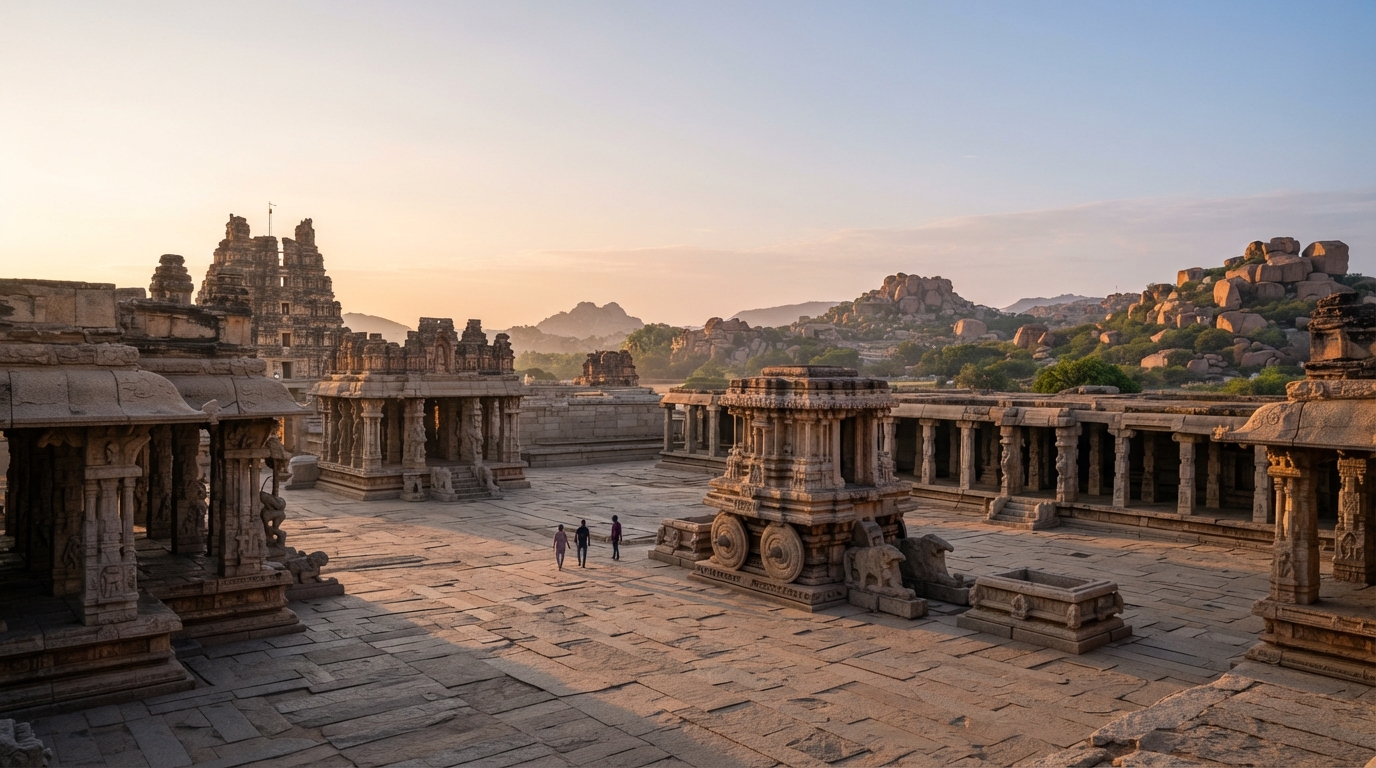
The India World Heritage sites timeline is an official chronological record tracking 44 designated UNESCO properties across India between 1983 and 2025. According to UNESCO, this register encompasses 36 cultural monuments, 7 natural sanctuaries, and 1 mixed property across 23 states, documenting four decades of evolving national conservation policies and preservation milestones.
Key Takeaways
- India holds 44 UNESCO World Heritage Sites, ranking sixth globally for protected properties.
- Four foundational sites joined the international register together during India's initial 1983 cycle.
- Khangchendzonga National Park remains the country's single designated mixed natural and cultural site.
- Modern nominations prioritize living historic cities, serial regional monuments, and ancient earthworks.
Exactly 44 cultural, natural, and mixed properties across India hold UNESCO World Heritage status as of 2025. This total places India sixth globally, behind Italy, China, Germany, France, and Spain. Each designation represents decades of architectural skill, ecological conservation, and cultural identity.
India ratified the UNESCO World Heritage Convention on November 14, 1977. The first official inscriptions followed six years later in 1983. Tracking this India World Heritage sites timeline shows how conservation priorities evolved across four decades. Early listings favored single grand monuments like the Taj Mahal. Today, nominations focus on living urban landscapes, complex trade routes, and indigenous regional traditions.
For researchers exploring today in history india records, designation dates mark key moments in national conservation. The Archaeological Survey of India (ASI) currently protects 3,686 national monuments. Of those, 27 are direct UNESCO cultural properties. Understanding when and why each site gained recognition offers a clear window into Indian heritage management. You can also explore our Indian History Timeline Chart to connect these preservation dates with broader national events.
When readers look up historical dates on the site:www.indiaonthisday.com archive, heritage milestones provide essential context for understanding modern India. Exploring a specific august 27 india entry or checking a september 7 special day in india record reveals how national identity intersects with global recognition. Similarly, researching legislative preservation acts tied to a 24 august special day in india or a 31 august special day in india shows how legal frameworks protect these monuments.
How Did India Establish Its World Heritage Foundations in the 1980s?
India's World Heritage foundation is the historic 1983–1989 conservation initiative during which the UNESCO World Heritage Committee inscribed India's first 13 properties. According to the Archaeological Survey of India (ASI), these landmark listings established national preservation baselines by protecting four initial monuments in 1983 before expanding to include premier national parks and regional architectural complexes.
The Landmark Inscriptions of 1983
On December 9, 1983, the UNESCO World Heritage Committee met in Florence, Italy. India secured four spots during this single session. The Ajanta Caves and Ellora Caves in Maharashtra gained immediate recognition for rock-cut architecture. Ajanta features 30 Buddhist cave monuments dating from the 2nd century BCE to the 5th century CE. Ellora contains 34 monasteries and temples carved side by side into the Charanandri hills, representing Buddhist, Hindu, and Jain traditions.
The Mughal imperial legacy joined the global list on that same day. Agra Fort and the Taj Mahal in Uttar Pradesh secured designations for Indo-Islamic architectural excellence. Shah Jahan completed the Taj Mahal in 1648 as an ivory-white marble mausoleum. Agra Fort preserved centuries of Mughal court administration within its red sandstone walls. These four sites established India's presence on the international conservation stage.
Natural Sanctuaries and Early Monumental Additions (1984–1989)
The mid-1980s brought global recognition to India's coastal architecture and ecological reserves. In 1984, UNESCO inscribed the Sun Temple at Konark in Odisha alongside the Group of Monuments at Mahabalipuram in Tamil Nadu. Konark represents a 13th-century chariot temple built under King Narasimhadeva I. Mahabalipuram showcases 7th- and 8th-century Pallava rock sanctuaries along the Coromandel Coast.
In 1985, natural conservation stepped into focus. Kaziranga National Park, Manas Wildlife Sanctuary in Assam, and Keoladeo National Park in Rajasthan gained World Heritage status. Kaziranga protected the world's largest population of great one-horned rhinoceroses. Keoladeo provided vital wintering grounds for hundreds of migratory aquatic bird species.
The decade ended with substantial architectural designations across multiple regions. In 1986, the Churches and Convents of Goa joined the register, reflecting the Portuguese era in Goa. The same year saw the Group of Monuments at Hampi, Fatehpur Sikri, and the Khajuraho Group of Monuments inscribed. Sundarbans National Park followed in 1987, and the Buddhist Monuments at Sanchi were added in 1989. You can read more about early architectural achievements in our guide to the Maurya and Gupta empires.
How Did India Expand Heritage Protection Through the 1990s and 2000s?
India expanded its heritage portfolio between 1990 and 2010 by diversifying beyond classical stone temples. Inscriptions during these two decades incorporated industrial engineering feats, prehistoric rock art, and expansive medieval temple networks. This era proved that functional infrastructure and prehistoric shelters deserved equal footing alongside royal palaces and sacred complexes.
Engineering Marvels: Mountain Railways and Urban Termini
In 1999, UNESCO recognized the Darjeeling Himalayan Railway under a new serial listing for Mountain Railways of India. Opened in 1881, this narrow-gauge railway conquered rugged Himalayan terrain using innovative loops and zig-zags. The listing expanded in 2005 to include the Nilgiri Mountain Railway in Tamil Nadu. In 2008, the Kalka Shimla Railway joined the group.
Urban colonial infrastructure gained recognition in 2004 with Chhatrapati Shivaji Terminus in Mumbai. Formerly known as Victoria Terminus, Frederick William Stevens designed the building in a Victorian Gothic Revival style. Construction lasted ten years, finishing in 1888. It remains one of the busiest railway stations in South Asia. This listing proved that active transport hubs could maintain outstanding universal value while serving millions of daily commuters.
Ancient Capitals and Rock Art (2000–2010)
Prehistoric heritage secured a permanent place on the India World Heritage sites timeline in 2003. The Rock Shelters of Bhimbetka in Madhya Pradesh revealed five clusters of natural rock shelters with paintings spanning from the Paleolithic to the historic period. Archaeologist V. S. Wakankar discovered the site in 1957. Bhimbetka showed unbroken human interaction with the landscape over 100,000 years.
Dynastic architecture also expanded. In 2004, the Great Living Chola Temples added the Brihadisvara Temple at Gangaikondacholisvaram and the Airavatesvara Temple at Darasuram to the original 1987 Thanjavur listing. Champaner-Pavagadh Archaeological Park in Gujarat entered the list in 2004 as an unexcavated prehistoric and medieval city. Delhi's Red Fort Complex followed in 2007, representing the pinnacle of Mughal palace design.
Master Chronology: The Complete India World Heritage Sites Timeline
The complete India World Heritage sites timeline spans four decades of international designations from 1983 to 2025. It categorizes properties across cultural monuments, natural reserves, and mixed heritage zones in 23 states and union territories. Reviewing the complete chronological record reveals how Indian preservation strategies shifted from regional monuments to vast cultural landscapes.
What Is the Chronological Breakdown of Indian Heritage Sites by Year of Inscription?
The chronological breakdown of Indian heritage sites is an itemized register documenting every UNESCO inscription from 1983 through 2025 across 23 states and union territories. According to official UNESCO World Heritage Centre records, this complete chronological index classifies all 44 designated properties into 36 cultural, 7 natural, and 1 mixed heritage site.
The table below details the year of inscription, property name, state location, and UNESCO category for all 44 recognized sites in India:
| Inscription Year | Heritage Property Name | State / Region | Category |
|---|---|---|---|
| 1983 | Ajanta Caves | Maharashtra | Cultural |
| 1983 | Ellora Caves | Maharashtra | Cultural |
| 1983 | Agra Fort | Uttar Pradesh | Cultural |
| 1983 | Taj Mahal | Uttar Pradesh | Cultural |
| 1984 | Sun Temple, Konark | Odisha | Cultural |
| 1984 | Group of Monuments at Mahabalipuram | Tamil Nadu | Cultural |
| 1985 | Kaziranga National Park | Assam | Natural |
| 1985 | Manas Wildlife Sanctuary | Assam | Natural |
| 1985 | Keoladeo National Park | Rajasthan | Natural |
| 1986 | Churches and Convents of Goa | Goa | Cultural |
| 1986 | Khajuraho Group of Monuments | Madhya Pradesh | Cultural |
| 1986 | Group of Monuments at Hampi | Karnataka | Cultural |
| 1986 | Fatehpur Sikri | Uttar Pradesh | Cultural |
| 1987 | Group of Monuments at Pattadakal | Karnataka | Cultural |
| 1987 | Elephanta Caves | Maharashtra | Cultural |
| 1987 | Great Living Chola Temples (expanded 2004) | Tamil Nadu | Cultural |
| 1987 | Sundarbans National Park | West Bengal | Natural |
| 1988 | Nanda Devi and Valley of Flowers (expanded 2005) | Uttarakhand | Natural |
| 1989 | Buddhist Monuments at Sanchi | Madhya Pradesh | Cultural |
| 1993 | Humayun's Tomb, Delhi | Delhi | Cultural |
| 1993 | Qutb Minar and its Monuments, Delhi | Delhi | Cultural |
| 1999 | Mountain Railways of India (expanded 2005, 2008) | WB / TN / HP | Cultural |
| 2002 | Mahabodhi Temple Complex at Bodh Gaya | Bihar | Cultural |
| 2003 | Rock Shelters of Bhimbetka | Madhya Pradesh | Cultural |
| 2004 | Chhatrapati Shivaji Terminus | Maharashtra | Cultural |
| 2004 | Champaner-Pavagadh Archaeological Park | Gujarat | Cultural |
| 2007 | Red Fort Complex | Delhi | Cultural |
| 2010 | The Jantar Mantar, Jaipur | Rajasthan | Cultural |
| 2012 | Western Ghats (Serial Nomination) | Multiple States | Natural |
| 2013 | Hill Forts of Rajasthan | Rajasthan | Cultural |
| 2014 | Rani-ki-Vav (The Queen’s Stepwell) | Gujarat | Cultural |
| 2014 | Great Himalayan National Park Conservation Area | Himachal Pradesh | Natural |
| 2016 | Archaeological Site of Nalanda Mahavihara | Bihar | Cultural |
| 2016 | Khangchendzonga National Park | Sikkim | Mixed |
| 2016 | The Architectural Work of Le Corbusier | Chandigarh | Cultural |
| 2017 | Historic City of Ahmadabad | Gujarat | Cultural |
| 2018 | Victorian Gothic and Art Deco Ensembles of Mumbai | Maharashtra | Cultural |
| 2019 | Jaipur City, Rajasthan | Rajasthan | Cultural |
| 2021 | Kakatiya Rudreshwara (Ramappa) Temple | Telangana | Cultural |
| 2021 | Dholavira: a Harappan City | Gujarat | Cultural |
| 2023 | Santiniketan | West Bengal | Cultural |
| 2023 | Sacred Ensembles of the Hoysalas | Karnataka | Cultural |
| 2024 | Moidams – the Mound-Burial System of the Ahom Dynasty | Assam | Cultural |
| 2025 | Maratha Military Landscapes of India | Maharashtra / TN | Cultural |
Analyzing the State-Wise Distribution of World Heritage Sites
Geographic distribution shows strong concentrations in western and southern India. Maharashtra leads the country with six standalone properties, plus shared serial entries. Maharashtra's list includes Ajanta, Ellora, Elephanta, Chhatrapati Shivaji Terminus, Mumbai's Victorian Gothic ensembles, and the Maratha Military Landscapes.
Karnataka and Gujarat follow closely. Karnataka hosts Hampi, Pattadakal, Western Ghats clusters, and the Sacred Ensembles of the Hoysalas. Gujarat contains Champaner-Pavagadh, Rani-ki-Vav, the Historic City of Ahmadabad, and the Bronze Age metropolis of Dholavira.
Natural sites remain concentrated in the Himalayan belt and southern biodiversity corridors. The Western Ghats serial listing spans six states across 39 individual protected areas. Assam holds two premier natural reserves alongside its cultural mound-burial site at Charaideo. You can read more about protected reserves in our guide to UNESCO natural heritage sites in India.
Why Has India Shifted Toward Serial and Landscape Nominations Since 2010?
India's modern nomination strategy is a systematic preservation shift adopted by the Ministry of Culture since 2010, moving from isolated monuments toward expansive serial landscapes and inhabited urban centres. According to the Archaeological Survey of India (ASI), this comprehensive approach recognizes that historical properties operate as interconnected cultural ecosystems rather than standalone architectural relics. By nominating multi-component serial properties, UNESCO and Indian conservation authorities can protect entire regional trade routes, medieval urban networks, and indigenous water management systems across diverse geographic districts. This paradigm shift enables active historic cities like Ahmedabad and Jaipur, multi-fort defense systems like the Maratha Military Landscapes, and broad ecological corridors like the Western Ghats to receive unified international protection. Consequently, serial listings ensure that local municipal governance, regional development policies, and traditional community lifestyles work alongside statutory conservation mandates without compromising the outstanding universal value of living historic environments.
Living Historic Cities: Ahmedabad and Jaipur
In 2017, the Historic City of Ahmadabad became India's first UNESCO World Heritage City. Founded by Sultan Ahmad Shah in 1411, Ahmedabad features traditional pols—densely packed, gated residential communities—and intricate wooden architecture. Inscribing an active city required fresh conservation guidelines. The local municipality balanced modern urban growth with strict heritage zoning laws.
Jaipur joined the list in 2019. Founded in 1727 under Sawai Jai Singh II, Jaipur represents Vedic grid planning blended with Mughal urban design. Unlike historic capitals that evolved organically, Jaipur was built to a clear commercial layout. The designation recognized its wide avenues, uniform pink facades, and vibrant living markets. Both cities proved that heritage protections can safeguard living communities without freezing economic development.
Expanding Frontiers: Dholavira, Hoysala Ensembles, and Moidams
Recent inscriptions moved beyond conventional stone temple complexes. In 2021, Dholavira in Gujarat became the first Harappan site in India to gain World Heritage status. Dating from 3000 to 1500 BCE, Dholavira preserves sophisticated stone architecture, multilayered fortifications, and advanced stormwater reservoirs. On the same ballot, Kakatiya Rudreshwara (Ramappa) Temple in Telangana gained recognition for 13th-century floating brick technology and carved granite pillars.
In September 2023, the Sacred Ensembles of the Hoysalas entered the register. This serial property unites the 12th- and 13th-century temple complexes of Belur, Halebidu, and Somanathapura in Karnataka. Their star-shaped ground plans and chloritic schist carvings represent a pinnacle of medieval southern Indian sculpture.
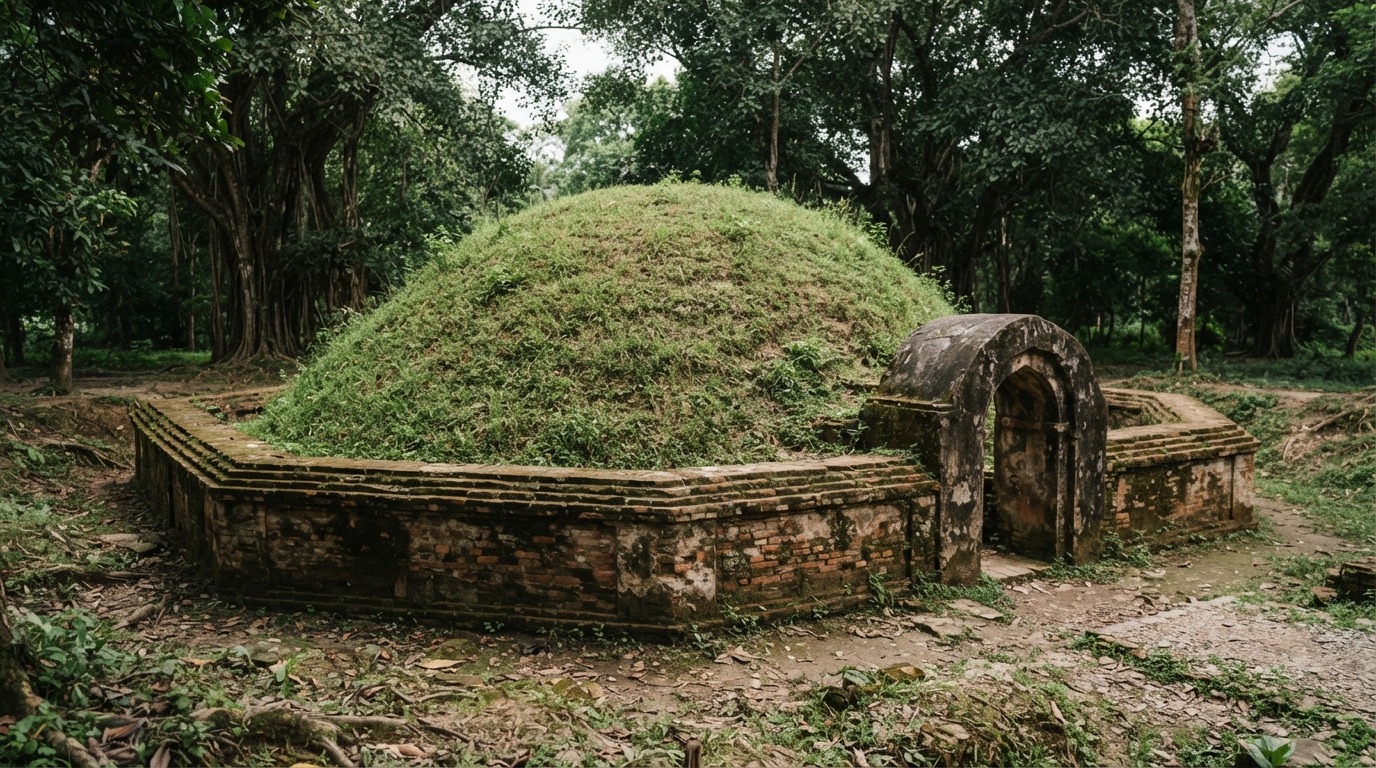
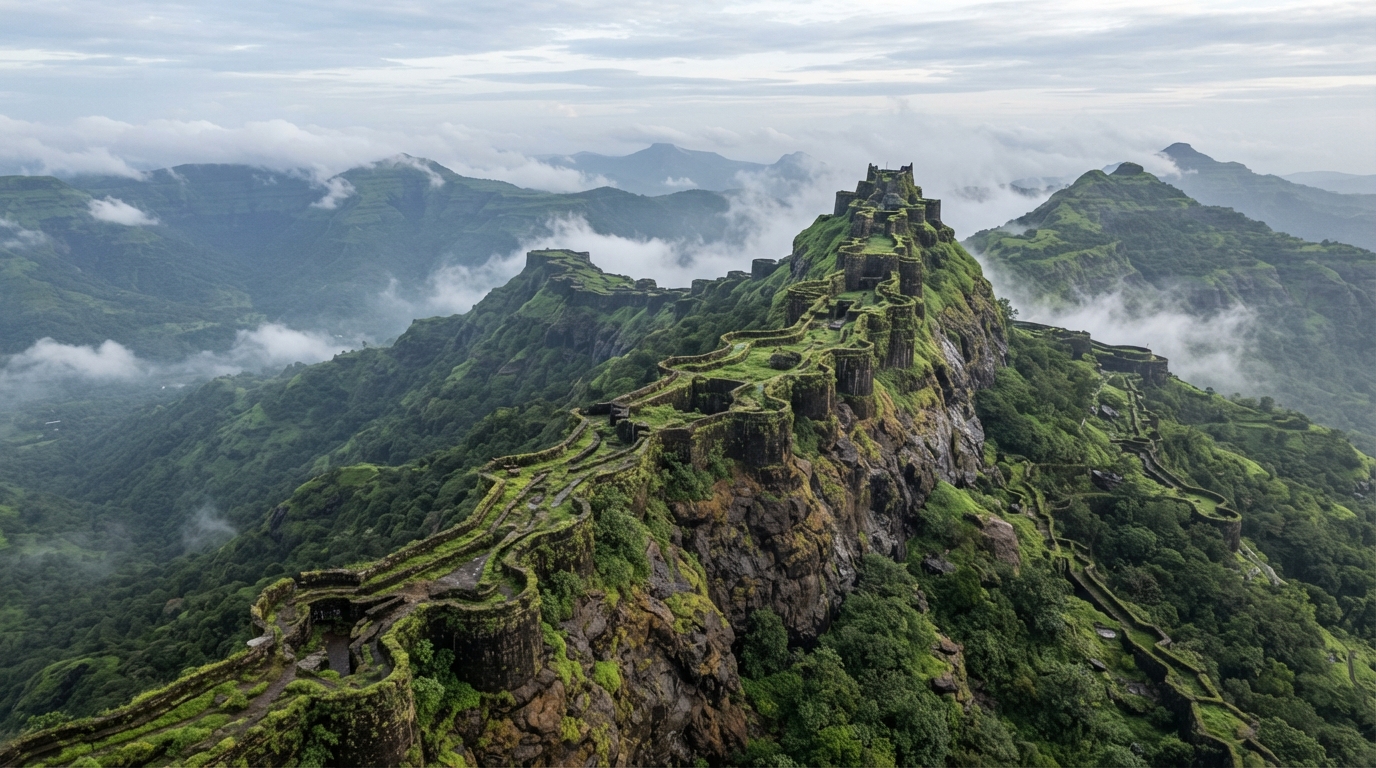
In July 2024, the 46th Session of the World Heritage Committee met in New Delhi. The committee inscribed the Moidams in Charaideo, Assam. Built by the Tai-Ahom Dynasty over 600 years, these earthwork burial mounds honor kings and queens. Moidams became the first cultural World Heritage site from Northeast India. In 2025, India advanced the Maratha Military Landscapes, a serial network of 12 forts built between the 17th and 19th centuries across Maharashtra and Tamil Nadu.
What Are the Preservation Challenges and Future Pipeline for India's World Heritage Sites?
India's World Heritage preservation pipeline is a strategic conservation framework managed by the Archaeological Survey of India (ASI) to protect 44 existing properties while advancing 69 Tentative List candidates. According to UNESCO records, maintaining these sites requires balancing heavy visitor traffic, enforcing statutory buffer zones, and resolving critical ecological threats that previously placed sites on the Danger List.
Lessons from Past 'In Danger' Listings: Hampi and Manas
World Heritage status does not guarantee permanent safety. In 1999, UNESCO placed the Group of Monuments at Hampi on the List of World Heritage in Danger. Local authorities had started constructing modern suspension bridges within the protected visual corridor. The threat compromised Hampi's historic landscape. Following strict planning reviews and the creation of a dedicated Hampi World Heritage Area Management Authority, UNESCO removed the danger status in 2006.
Manas Wildlife Sanctuary faced a more severe crisis. In 1992, political unrest and poaching damaged wildlife populations and park infrastructure. UNESCO listed Manas as 'In Danger' for nearly two decades. Concerted restoration work, community patrols, and tiger population recovery led to its removal from the danger list in 2011.
These cases taught Indian conservationists a valuable lesson. The Archaeological Survey of India (ASI) emphasizes that buffer-zone enforcement must operate as a regular, daily standard. Site management cannot wait for upcoming UNESCO inspection cycles.
The 69-Site Tentative List and Upcoming Nominations
India's pipeline of future heritage sites contains 69 properties awaiting formal nomination. The Ministry of Culture prepared nominations for the Ancient Buddhist Site at Sarnath for the 2025–26 cycle. Sarnath represents the location where Gautama Buddha first taught the Dharma after attaining enlightenment.
For 2026–27, India forwarded the Jingkieng Jri Living Root Bridges Cultural Landscape in Meghalaya. Grown by Khasi and Jaintia communities from the roots of Ficus elastica trees, these living bridges cross fast-flowing mountain rivers. In 2025, India expanded its Tentative List by adding seven geological and natural sites, including the Deccan Traps in Maharashtra and the St. Mary’s Island Cluster in Karnataka.
The country also seeks to address the bottleneck in its mixed category listings. While cultural properties dominate the India World Heritage sites timeline with 36 entries, only Khangchendzonga National Park holds dual natural and cultural status. Expanding mixed designations for places like the Western Ghats sacred groves remains an important conservation objective. For more recent national turning points, check out our guide on historic dates in modern India.
Related Reading
- India at the Olympics: A Timeline of Historic Sporting Milestones
- The 1971 India-Pakistan War: Key Dates and Historical Summary
- Timeline of Mahatma Gandhi's Nonviolent Movements in India
- December 1984: A Historical Timeline of the Bhopal Gas Tragedy
FAQ
Q: How many UNESCO World Heritage Sites are in India? India has 44 UNESCO World Heritage Sites as of 2025. This total includes 36 cultural properties, 7 natural sanctuaries, and 1 mixed heritage site. The country ranks sixth globally for total protected listings.
Q: Which was the first UNESCO World Heritage Site in India? India inscribed its first four sites simultaneously in 1983. These foundational properties were the Ajanta Caves, Ellora Caves, Agra Fort, and the Taj Mahal.
Q: What is on 26th august in india? On August 26, Indian historical records commemorate Mother Teresa's birth anniversary in 1910, celebrated nationwide for her humanitarian legacy in Kolkata. Daily history archives also document important regional legislative debates and educational milestones that took place on this day across India.
Q: What is on 26 august in india? August 26 marks Women's Equality Day commemorations across educational institutions in India. Historical chronologies for 26 august in india also highlight key freedom movement gatherings and cultural events documented in the national archives.
Q: What is India's only mixed UNESCO World Heritage Site? Khangchendzonga National Park in Sikkim is India's only mixed World Heritage site, inscribed in 2016. It qualifies for both natural biodiversity in the high Himalayas and sacred cultural traditions tied to Tibetan Buddhist mythology.
Visit your nearest centrally protected monument this weekend to see firsthand how the Archaeological Survey of India manages buffer zones and structural conservation. Check the official UNESCO World Heritage Centre directory before you go to review the property's statement of outstanding universal value.
Sources
- India - State Party Overview — UNESCO World Heritage Centre, 2025. Supports: India's ratification of the World Heritage Convention in 1977 and the complete inventory of 44 designated World Heritage properties.
- 3686 centrally protected monuments/sites under the Archaeological Survey of India — Press Information Bureau, 2018. Supports: The Archaeological Survey of India's statutory jurisdiction over 3,686 centrally protected monuments and sites nationwide.
- Moidams – the Mound-Burial System of the Ahom Dynasty — UNESCO World Heritage Centre, 2024. Supports: The 2024 inscription of the Tai-Ahom royal mound-burial system in Assam as a cultural World Heritage property.
- Group of Monuments at Hampi — UNESCO World Heritage Centre, 2006. Supports: The inscription of the Vijayanagar capital in 1986 and its historical placement on and removal from the List of World Heritage in Danger.
- Kaziranga National Park — UNESCO World Heritage Centre, 1985. Supports: The 1985 inscription of Kaziranga protecting the world's largest population of great one-horned rhinoceroses.
- Tentative Lists: State Party India — UNESCO World Heritage Centre, 2025. Supports: India's pipeline of candidate properties submitted to UNESCO awaiting formal nomination review.