The History of the Indian Open: Key Dates in India's Golfing Heritage
In Short
The Indian Open history traces its roots to 1964, established by Australian golfer Peter Thomson. It evolved from a modest regional event at the Delhi Golf Club into a premier DP World Tour co-sanctioned tournament. The championship catalyzed India's golf development by providing local professionals a global competitive platform.
Key Takeaways
- Peter Thomson launched the inaugural tournament in 1964 to promote Asian golf.
- Ali Sher became the first Indian professional to win the title in 1991.
- The European Tour officially co-sanctioned the event starting in 2015.
- The historic Delhi Golf Club hosted the majority of these championship rounds.
- Modern iterations drive significant regional tourism and sports infrastructure investment.
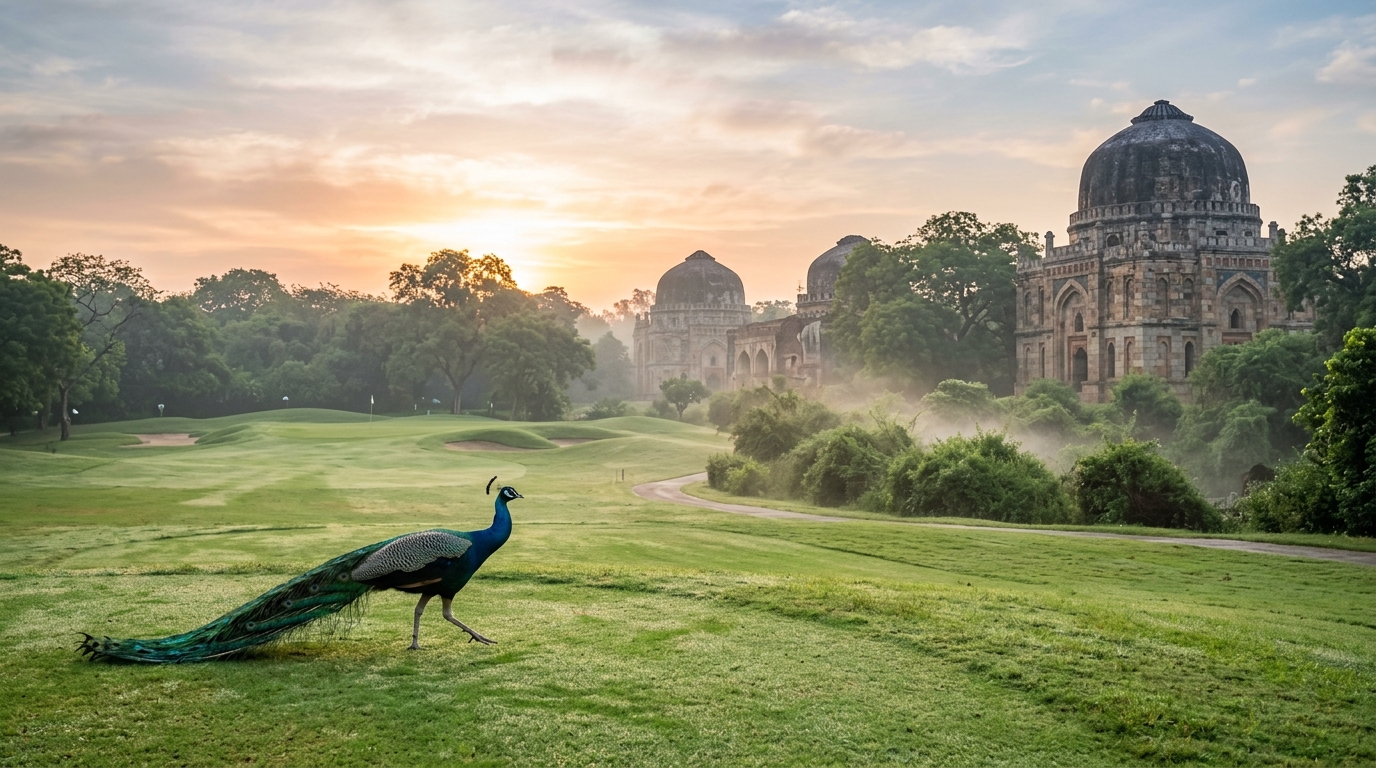
Early morning mist clings to the dense bushes lining the narrow fairways of the Delhi Golf Club. Peacocks call out from the ancient Lodhi dynasty tombs scattered across the course. A local caddie-turned-professional steps up to the first tee, gripping his driver while a crowd of international spectators falls silent. This specific atmosphere defines the core experience of India's premier golf championship.


Tracking Indian Open history reveals how a niche colonial pastime transformed into a serious professional sport. The tournament served as the primary proving ground for the country's best players for over six decades. By studying these milestones, we see a clear timeline of athletic development mirroring the nation's broader emergence on the global stage. Understanding this progression connects directly to broader athletic achievements, much like the milestones detailed in our guide to India at the Olympics: A Timeline of Historic Sporting Milestones. The tournament stands as a testament to the slow, deliberate building of sporting infrastructure in South Asia.
The Foundation of the Tournament Relies on Peter Thomson's Vision
Australian golfer Peter Thomson conceived the Indian Open in 1964 to integrate India into the broader Asian golf circuit. His initiative brought professional standards to local courses and established a formal competitive structure. This early foundation directly enabled Indian players to test their skills against international touring professionals.
Early days at the Delhi Golf Club
The Delhi Golf Club provided the necessary infrastructure to host a major international event in the 1960s. Built around historic monuments, the course demanded precise shot-making rather than pure distance. Thomson recognized that this unique layout would challenge foreign professionals while offering a distinct cultural experience. He worked closely with the Indian Golf Union to secure sponsorships and organize the logistics of moving players across the continent. The club's tight fairways and punishing rough established a reputation for the tournament that persists today. Players quickly learned that aggressive tactics often led to severe penalties on this specific course. This demanding environment set a high bar for the inaugural competitors.
Organizing a professional tournament in the 1960s required overcoming significant logistical hurdles. Equipment had to be imported, and course maintenance practices needed immediate modernization to meet international standards. The Indian Golf Union relied heavily on Thomson's expertise to train local agronomists and tournament officials. These early efforts established a baseline of professional golf administration in the country. The knowledge transfer from these initial events proved just as valuable as the competition itself. Local administrators learned how to manage crowds, handle media relations, and enforce the rules of professional golf.
The inaugural 1964 tournament
The first official Indian Open teed off in 1964 with a modest prize fund and a small field of international players. Thomson himself won the inaugural event, demonstrating the exact type of strategic play the course required. He shot a total of 292, outlasting local amateurs and a handful of traveling professionals. The success of this first event proved that India could successfully host a multi-day professional golf tournament. It attracted attention from regional media and laid the groundwork for future sponsorship agreements. Local players observed the preparation and course management of the international visitors, absorbing valuable lessons in competitive golf. This initial contest essentially served as a masterclass for the domestic golfing community.
The financial realities of the 1964 event were modest compared to modern standards. The total prize purse amounted to a fraction of what players earn today, but it represented a significant investment for the era. Corporate backing was minimal, relying mostly on local patrons and enthusiastic club members to fund the operations. The focus remained entirely on establishing the event's credibility rather than generating immediate profit. This grassroots approach ensured the tournament survived its vulnerable early years. The dedication of these early organizers cemented the event's place on the calendar.
Establishing an international footprint
Following the 1964 success, the tournament quickly became a staple on the newly forming Asian golf circuit. Thomson used his influence to recruit players from Australia, Japan, and Europe to travel to New Delhi. The presence of international talent elevated the prestige of the event and forced local organizers to maintain high course standards. By the early 1970s, the championship routinely drew recognizable names from the global golfing community. It became a critical stop for players looking to gain experience in diverse playing conditions. The tournament's integration into the Asian circuit ensured a steady flow of international media coverage. This exposure slowly began to change the perception of Indian golf on the world stage.
The steady influx of foreign players created a vibrant exchange of techniques and equipment. Local professionals gained access to modern golf clubs and balls that were otherwise difficult to procure in India. They studied the swing mechanics and practice routines of the visiting champions. This informal education accelerated the development of domestic talent throughout the 1970s and 1980s. The tournament acted as an annual benchmark for Indian players to measure their progress against the rest of the world. It highlighted the specific areas where domestic players needed to improve to compete at the highest level.
Local Champions Changed the Trajectory of Indian Golf
Domestic players struggled to capture the national title during the tournament's first three decades. Ali Sher's historic victory in 1991 shattered this barrier and proved local professionals could beat international fields. This breakthrough sparked a wave of domestic success that transformed the sport's popularity across the country.
Ali Sher's breakthrough in 1991
Ali Sher arrived at the 1991 tournament as an underdog despite his deep knowledge of the Delhi Golf Club. He grew up as a caddie on those very fairways, learning the subtle breaks of the greens through years of observation. His victory marked the first time an Indian professional won the national open. He finished one stroke ahead of the international competition, securing the title with a steady final round. The win generated massive headlines across national newspapers and brought unprecedented attention to the sport. Sher received an Arjuna Award for his achievement, validating golf as a recognized athletic pursuit in the country. His success proved that natural talent and local knowledge could overcome the resource advantages of foreign players.

The cultural impact of Sher's win extended far beyond the golf course. He represented the working-class caddies who formed the backbone of the sport in India but rarely received formal recognition. His victory challenged the perception of golf as an exclusively elite pastime. It inspired hundreds of young caddies to pursue professional playing careers rather than settling for instructional roles. The national media framed his win as a triumph of perseverance and raw skill. This narrative shift permanently altered how the public viewed professional golfers in India.
The rise of modern Indian professionals
Sher's victory effectively dismantled the psychological barrier holding back domestic players. Firoz Ali followed with a win in 1998, confirming that the first local victory was not an isolated incident. The early 2000s saw the emergence of players like Jyoti Randhawa and Arjun Atwal, who began dominating the event. Randhawa captured the title in 2000, 2004, and 2006, establishing himself as a formidable force on his home turf. These players possessed refined swings and extensive international experience, unlike the caddie-turned-professionals of previous generations. They treated the event as their primary major championship, preparing meticulously for the specific demands of the host courses. Their consistent success shifted the narrative of Indian Open history from foreign dominance to domestic pride.
This new generation of players benefited from better coaching, modern equipment, and structured amateur programs. They traveled extensively, competing on the Asian Tour and gaining exposure to different course conditions. When they returned home for the national open, they brought a polished, professional approach to the competition. Their physical fitness and mental conditioning matched the standards of the international players they faced. This parity leveled the playing field and allowed their local course knowledge to become a decisive advantage. The tournament became a showcase for the rapid modernization of Indian athletic training.
Shifting dominance from foreign to domestic players
The balance of power in the tournament flipped completely by the 2010s. Anirban Lahiri, SSP Chawrasia, and Shiv Kapur routinely contended for the title against strong international fields. Chawrasia achieved back-to-back victories in 2016 and 2017, utilizing his exceptional short game to navigate difficult course setups. The local players held a distinct advantage in managing the specific grass types and weather conditions found in India. Foreign competitors openly acknowledged the difficulty of beating Indian professionals on their home soil. This era of local dominance significantly boosted television ratings and attracted major corporate sponsors. The tournament evolved from a showcase of foreign talent into a celebration of homegrown champions. We see similar patterns of local dominance emerging in other fields, as detailed in our analysis of Record-Breaking Runs: Historic Dates in Indian Regional Cinema.
The dominance of Indian players forced international competitors to rethink their strategies. Visiting professionals realized they could no longer rely solely on their length off the tee to overpower the local courses. They had to adapt to the firm fairways and grainy greens that the domestic players navigated effortlessly. This dynamic created highly competitive and dramatic final rounds, often featuring head-to-head battles between local heroes and foreign stars. The crowds grew larger and more vocal, creating an electric atmosphere unique to the Asian golf circuit. The tournament firmly established itself as one of the toughest events to win as an international visitor.
European Tour Co-Sanctioning Elevated the Tournament's Global Profile
The European Tour (now DP World Tour) officially added the Indian Open to its schedule in 2015. This co-sanctioning agreement drastically increased the prize money and guaranteed the presence of top-tier global talent. It forced local organizers to upgrade event infrastructure to meet strict international broadcasting standards.
The 2015 integration with the DP World Tour
The Asian Tour and the European Tour formalized a co-sanctioning agreement ahead of the 2015 season. This partnership instantly elevated the tournament's status within the global golf ecosystem. Players competing in New Delhi now earned official points toward the Race to Dubai standings. The European Tour brought its massive television production capabilities, broadcasting the event to millions of homes worldwide. This exposure required organizers to implement strict operational protocols regarding course conditioning and player facilities. The integration forced a rapid modernization of how the tournament was managed behind the scenes. It represented a major leap forward in the professionalization of Indian golf administration.
Meeting European Tour standards required significant financial investment from the host venues. Clubs had to expand their practice facilities, upgrade locker rooms, and ensure high-speed internet access for the international media. The agronomy teams adopted new chemical treatments and mowing schedules to produce tournament-quality playing surfaces. Referees and rules officials received updated training to handle the complexities of a major co-sanctioned event. These operational upgrades permanently raised the standard for all professional golf tournaments held in the country. The partnership proved that India possessed the capability to host world-class sporting events.
Attracting top-tier international talent
Co-sanctioning naturally drew a stronger field of international competitors looking for valuable tour points. European Ryder Cup players and established PGA Tour veterans began adding the tournament to their travel schedules. The presence of these highly ranked players increased the strength of field rating, which in turn offered more Official World Golf Ranking points. Local fans gained the opportunity to watch global stars compete in person. Indian players benefited by testing their games against the highest level of competition without leaving the country. This exposure helped domestic professionals identify specific areas where they needed to improve to compete globally. The tournament became a legitimate stepping stone for players aiming to qualify for major championships.
The interaction between international stars and local players fostered a healthy competitive environment. Young Indian professionals watched how top-tier players managed their practice rounds, interacted with the media, and handled pressure. These observations provided a masterclass in professional conduct and tournament preparation. The international players, in turn, gained an appreciation for the skill and resilience of the Indian competitors. This mutual respect strengthened the ties between the Asian and European golf communities. The tournament served as a vital bridge connecting different golfing cultures.
Prize money and infrastructure upgrades
The financial scale of the tournament expanded rapidly following the European Tour partnership. Total prize money surged past the $1.5 million mark, making it one of the most lucrative events in the region. This financial injection allowed organizers to invest heavily in course maintenance and spectator amenities. Host venues purchased new agronomy equipment and upgraded their irrigation systems to ensure pristine playing conditions. The hospitality pavilions and media centers expanded to accommodate the influx of international guests and journalists. These infrastructure improvements left a lasting legacy for the host clubs long after the tournament concluded. The financial growth secured the event's long-term viability in an increasingly competitive global sports market.
Securing consistent sponsorship remained crucial to maintaining this elevated status. Hero MotoCorp stepped in as the title sponsor, providing the financial stability needed to support the increased prize funds. Their involvement demonstrated the growing appeal of golf among Indian corporate entities. The sponsorship allowed the tournament to market itself aggressively across digital and traditional media platforms. This commercial backing ensured the event could withstand economic fluctuations and continue attracting top talent. The financial model established during this era set a precedent for other major sporting events in the region.
Iconic Venues Shape the Character of Indian Open History
The choice of host venue dictates the style of play required to win the national championship. The historic Delhi Golf Club demands extreme precision, while modern venues like DLF Golf and Country Club test a player's power and technical adaptability. These courses serve as the physical foundation of the tournament's legacy.
The narrow fairways of Delhi Golf Club
Delhi Golf Club hosted the tournament more times than any other venue since its inception. The course sits in the heart of the national capital, surrounded by dense urban development and ancient ruins. It features incredibly narrow fairways bordered by thick thorny bushes that severely penalize errant tee shots. Players often leave their drivers in the bag, opting for long irons to guarantee position off the tee. The greens are typically small and elevated, requiring precise approach shots to hold the putting surface. This specific layout favors accurate ball-strikers over powerful drivers of the golf ball. The course forces a defensive strategy that tests the mental patience of every competitor.
The historical significance of the venue adds intense pressure to the competition. Players walk past 16th-century tombs while navigating the modern pressures of professional golf. The tight layout restricts spectator movement, creating dense, vocal crowds around the tees and greens. This intimate viewing experience amplifies the tension during the final rounds. Mastering the Delhi Golf Club requires a specific type of course management that many modern professionals struggle to adopt. Winning at this venue remains a distinct badge of honor within the international golfing community.
DLF Golf and Country Club's modern challenge
The tournament shifted to the Gary Player-designed course at DLF Golf and Country Club to accommodate modern professional standards. This venue presents a stark contrast to the traditional layout of the Delhi Golf Club. It features dramatic elevation changes, massive undulating greens, and extensive water hazards. The sheer length of the course demands significant distance off the tee to reach the par-fives in two shots. Deep bunkers and complex green complexes require exceptional imagination and touch around the putting surfaces. The modern infrastructure easily supports the massive crowds and corporate hospitality structures required for a European Tour event. This venue tests the complete physical and technical capabilities of the modern professional golfer.
| Venue Feature | Delhi Golf Club | DLF Golf & Country Club |
|---|---|---|
| Primary Challenge | Extreme accuracy off the tee | Distance and complex green reading |
| Design Era | Classic / Historic (1930s origins) | Modern / Championship (Gary Player design) |
| Key Hazards | Thick bushes, ancient monuments | Large lakes, deep dramatic bunkering |
| Player Strategy | Iron off the tee, defensive play | Aggressive driving, high-spin approaches |
Moving to DLF forced a change in the type of player who could win the tournament. Power hitters found an advantage on the wide fairways, while exceptional putters capitalized on the true, fast greens. The visual drama of the course translates perfectly to high-definition television broadcasts. The dramatic finishing holes, surrounded by water and deep bunkers, reliably produce exciting conclusions to the tournament. This transition to a modern championship layout signaled India's readiness to embrace contemporary golf architecture.
Rotating venues across India
While New Delhi remains the spiritual home of the tournament, organizers occasionally rotate the event to other major cities. The Royal Calcutta Golf Club, the oldest golf club outside the British Isles, hosted the championship multiple times. Moving the tournament helps spread the popularity of the sport to different regions of the country. Classic Golf and Country Club in Gurugram also provided a stern test with its Jack Nicklaus signature design. Each new venue introduces different grasses, weather conditions, and architectural philosophies to the competition. This rotation prevents the tournament from becoming predictable and forces players to adapt to new environments. The strategy mirrors the economic expansion discussed in our guide to Economic Milestones in Indian History: From 1947 to Present.
Hosting the national open requires a massive logistical effort from the regional clubs. They must recruit hundreds of volunteers, secure local government permits, and manage regional marketing campaigns. This effort builds local capacity for hosting future sporting events. It also exposes regional junior golfers to the highest level of professional competition. The rotation policy ensures that the benefits of the tournament are distributed across the broader Indian golfing community. It prevents the event from becoming entirely centralized in the capital.
The Tournament Serves as a Catalyst for Golf Tourism in India
Hosting a major international golf tournament directly drives specialized tourism and regional economic development. The global television broadcast showcases India's premium courses to affluent travelers. This exposure generates significant revenue for local hospitality sectors and validates the country as a viable destination for golf holidays.
Economic impact of hosting major events
The financial footprint of the tournament extends far beyond the prize money awarded to the players. Hundreds of players, caddies, officials, and media personnel require flights, hotel accommodations, and local transportation for over a week. Corporate sponsors spend heavily on hospitality suites to entertain clients and executives during the event. Local vendors supply everything from grandstand construction materials to catering services for thousands of spectators. A study by the Asian Tour highlighted that major co-sanctioned events inject millions of dollars directly into the local host city economy. The tournament creates temporary employment for hundreds of tournament staff and volunteers. This reliable economic stimulus makes hosting the event highly attractive to regional tourism boards.
The international broadcast serves as a multi-day advertisement for Indian tourism. High-definition aerial shots of the golf courses, interspersed with footage of local cultural landmarks, present a compelling image to viewers in Europe and Asia. Tour operators capitalize on this visibility by offering specialized golf holiday packages to international travelers. These packages often combine rounds at championship courses with visits to historical sites like the Taj Mahal or the forts of Rajasthan. This niche tourism sector attracts high-net-worth individuals who spend significantly more than average tourists. The economic ripple effect of the tournament continues long after the final putt drops.
Expanding the grassroots reach of the sport
The visibility of the national open directly influences grassroots participation across the country. Young athletes watch domestic professionals compete on television and see a viable career path in professional golf. The Indian Golf Union utilizes the tournament's profile to secure funding for junior development programs. Many host clubs run specialized clinics during tournament week, allowing children to interact directly with international touring professionals. The success of local players generates media narratives that demystify the sport for the general public. Equipment manufacturers often donate gear to local academies in conjunction with their tournament sponsorships. This continuous cycle of exposure and investment ensures the next generation of players has the resources needed to succeed.
Schools and local sports academies increasingly view golf as a legitimate athletic option for their students. The success of Indian players on the global stage provides tangible role models for these young athletes. The tournament acts as the pinnacle of the domestic calendar, giving amateurs a clear goal to strive toward. As the grassroots base expands, the overall talent pool deepens, ensuring the long-term competitiveness of Indian golf. This systematic development is crucial for maintaining the country's standing in international competitions.
Future outlook for the championship
The Indian Open history points toward continued growth and deeper integration with global golf schedules. Organizers face the ongoing challenge of securing consistent title sponsorship in a crowded sports marketing landscape. However, the sheer size of the Indian market remains highly attractive to international golf organizations. Future iterations of the tournament will likely feature even larger prize purses to compete with rival tours. Infrastructure at domestic courses continues to improve, making more venues capable of hosting the event. The championship remains the ultimate goal for every young Indian golfer picking up a club today. It stands as a permanent fixture in the nation's sporting calendar.
The evolution of the tournament reflects the broader modernization of Indian sports infrastructure. As technology improves, we can expect enhanced broadcast features, real-time data tracking, and more interactive fan experiences. The event will need to adapt to changing viewing habits to maintain its audience. Yet, the core appeal of the tournament remains unchanged: it is the definitive test of golfing skill on the Indian subcontinent. It will continue to produce dramatic moments and launch the careers of future champions.
Related Reading
- Milestones in Indian Women's History: A Chronological Guide
- 1,000 Years of Indian Medical History: A Chronological Guide
- Economic Milestones in Indian History: From 1947 to Present
- What Are the Major Events in Indian History? (FAQ Archive)
FAQ
Q: When did the Indian Open golf tournament start? The tournament officially began in 1964. Australian golfer Peter Thomson organized the inaugural event and won the first title himself.
Q: Who was the first Indian to win the Indian Open? Ali Sher became the first Indian professional to win the tournament in 1991. His victory at the Delhi Golf Club was a major milestone for domestic sports.
Q: Is the Indian Open part of the European Tour? Yes, the DP World Tour (formerly the European Tour) began officially co-sanctioning the tournament in 2015. This partnership significantly increased the event's global profile and prize money.
Q: Which golf course has hosted the tournament the most times? The Delhi Golf Club has hosted the majority of the championships since 1964. Its narrow fairways and historic setting make it the traditional home of the event.
Further reading
- India at the Olympics: A Timeline of Historic Sporting Milestones - Explore how golf's development parallels India's broader Olympic journey.
- Economic Milestones in Indian History: From 1947 to Present - Understand the economic shifts that allowed international sports sponsorships to thrive.
- Asian Tour Official Records - Track the statistical progression of the tournament through official tour archives.
- The Story of the Delhi Golf Club - Dive deeper into the architecture and history of India's most famous golf venue.