The History of Tea in India: A Timeline of the Chai Phenomenon
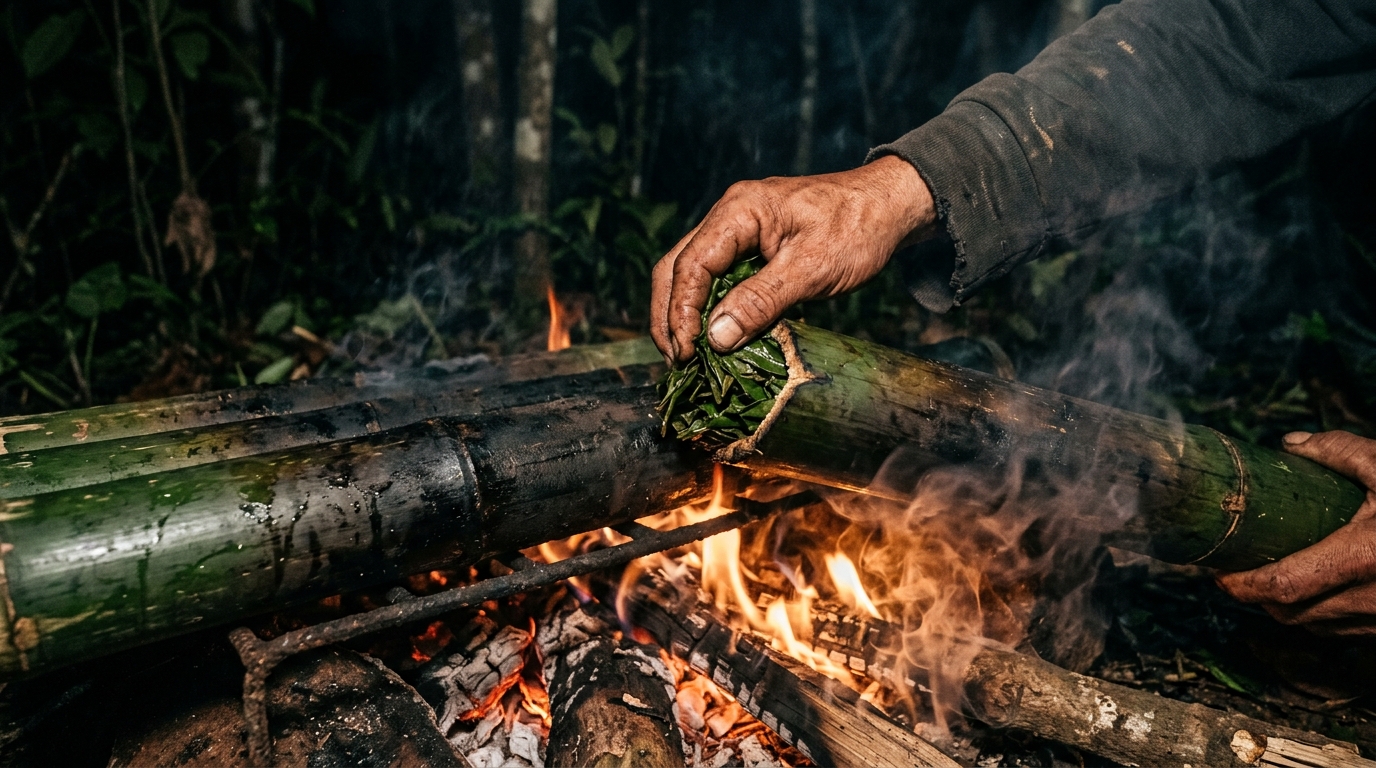
The Singpho tribe brewed native tea leaves in Assam centuries before the first British trade ship docked in the subcontinent. They stuffed wild leaves into bamboo tubes and smoked them over open fires. The history of tea in India begins with these indigenous roots, not with colonial plantations.
Today, India ranks as the second-largest tea producer in the world. The country consumes over a billion kilograms of tea annually. Tracking this massive agricultural shift provides a clear view of colonial economics, technological advancements, and changing cultural habits.
This date-based timeline outlines the major milestones of tea cultivation. It breaks down how a wild forest plant transformed into a global commodity and a daily staple for over a billion people.
Early Discoveries in the History of Tea in India
The commercial tea industry started because the British East India Company needed a new product. They relied heavily on Chinese tea imports throughout the 1700s. They paid for this tea with silver, which drained their reserves. They needed a local source to supply the massive demand back in Britain.
The Indigenous Roots of Assam Tea
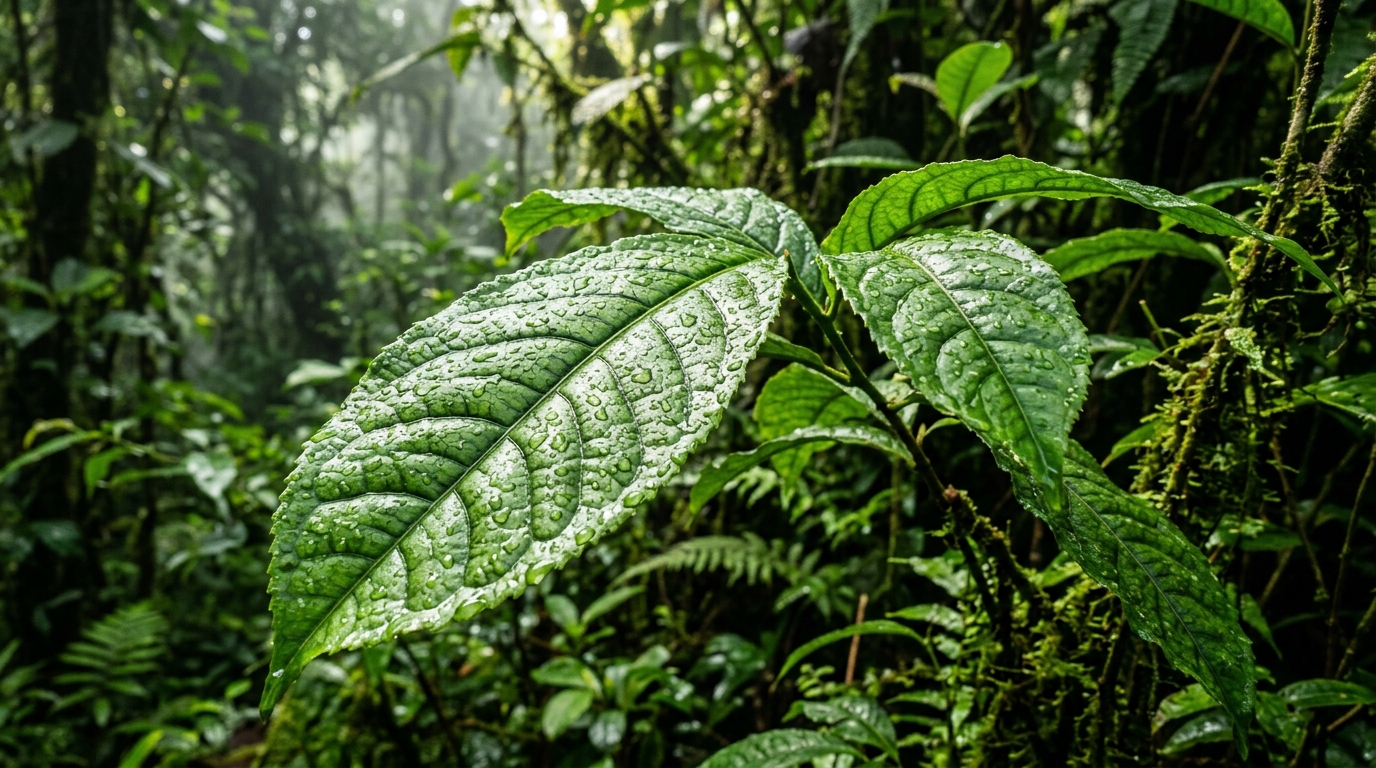
The native Assam tea plant is formally known as Camellia sinensis var. assamica. It grew wild in the dense jungles of northeastern India. Local communities, specifically the Singpho and Khamti tribes, consumed the leaves regularly. They used it as a medicinal drink and a mild stimulant. This indigenous plant had larger leaves than the Chinese variety. It thrived in the hot, humid climate of the Brahmaputra valley.
Robert Bruce and the 1823 Expedition
The documented timeline of commercial tea starts in 1823. Scottish trader Robert Bruce traveled to the capital of the Ahom kingdom in Assam. He sought new trade routes and products. During this trip, he met Maniram Dewan. Dewan was a prominent Assamese nobleman and an influential local official.
Dewan introduced Bruce to a local Singpho chief named Bissa Gam. Bruce noticed the chief's family brewing a dark, strong liquid from wild leaves. He recognized the plant's similarity to the Chinese tea bush. Bruce arranged to receive samples of the seeds and leaves. He planned to have them scientifically examined in Calcutta.
The Delayed Scientific Confirmation
Robert Bruce died in 1824 before he could classify the plant. His brother, Charles Alexander Bruce, took over the effort. In the early 1830s, Charles sent the leaf samples to the Botanical Gardens in Calcutta. Dr. Nathaniel Wallich, the garden's superintendent, initially rejected the samples. He claimed they were a species of camellia, but not the true tea plant. This misidentification delayed commercial cultivation by a full decade. The British continued to focus on importing seeds from China.
The East India Company and Commercial Cultivation
The British lost their monopoly on the Chinese tea trade in 1833. The British Parliament opened the trade to all merchants. The East India Company panicked. They urgently needed to establish tea plantations within their own Indian territories to maintain their profits.
The 1834 Tea Committee
Lord William Bentinck served as the Governor-General of India. In 1834, he formed a special Tea Committee. He tasked this group with developing a plan for commercial tea cultivation. The committee secretary, G.J. Gordon, traveled to China. He smuggled thousands of Chinese tea seeds and several Chinese tea makers back to India.
The committee planted these Chinese seeds in the botanical gardens in Calcutta. They later moved the seedlings to Assam, the Nilgiri hills, and the Himalayas. The Chinese plants struggled in the intense heat and heavy rainfall of the Assam valley. Many of the seedlings died.
The Birth of the Assam Tea Company
By 1835, scientific consensus finally recognized the native Assam bush as a true tea plant. Planters realized the indigenous variety grew far better in the local climate than the imported Chinese bushes.
In 1839, British merchants formed the Assam Tea Company in London. This marked the creation of the world's first joint-stock tea company. The company took over the experimental government gardens in Assam. That same year, they sent the first commercial batch of Assam tea to London. The shipment consisted of eight chests containing about 350 pounds of tea. It sold at the London auctions for a very high price. This successful sale proved Indian tea could compete directly with Chinese imports.
The Plantation Labor System
The rapid expansion of tea estates required massive amounts of cheap labor. The local Assamese population largely refused to work on the plantations. They owned their own land and saw no reason to perform brutal manual labor for low wages.
The British planters responded by importing indentured laborers from central India. They recruited workers from regions like Bihar, Jharkhand, and Odisha. The planters used deceptive contracts and harsh penalties to keep workers on the estates. This system fueled the rapid growth of the tea industry, but it came at a massive human cost. Understanding this labor history is crucial when studying major events in Indian history.
Expanding the Roots: Darjeeling and the South
Assam dominated early production, but planters soon looked for new environments. They wanted to see if different elevations and climates would produce different flavor profiles.
Dr. Campbell and the Darjeeling Experiment
The Chinese tea bushes failed in Assam, but they found a perfect home in the Himalayas. In 1841, Dr. Archibald Campbell transferred to Darjeeling as the superintendent of the region. He planted Chinese tea seeds in the garden near his home.
The high altitude, steep slopes, and cool climate suited the Camellia sinensis var. sinensis plant perfectly. The bushes thrived. The government established commercial nurseries in the region in the 1850s. By 1866, Darjeeling had 39 commercial tea gardens. Darjeeling tea produced a light, highly aromatic cup with a unique muscatel flavor. It quickly gained a reputation as the "champagne of teas."
The Nilgiri Hills Expansion
Southern India also developed a massive tea industry. In 1832, Dr. Christie planted the first tea seeds in the Nilgiri hills. Commercial production took off a few decades later, around the 1860s.
The elevation and weather patterns in the Nilgiris differed greatly from the northern regions. The climate allowed for year-round harvesting. Assam and Darjeeling planters could only pluck leaves during specific seasonal flushes. The Nilgiri tea industry grew steadily, producing dark, intensely fragrant teas that blended well with other varieties.
Major Tea Producing Regions in India
| Region | Year Started | Primary Plant Variety | Flavor Profile | Harvesting Season |
|---|---|---|---|---|
| Assam | 1823 | Native Assamica | Strong, malty, dark | Seasonal (March to November) |
| Darjeeling | 1841 | Chinese Sinensis | Light, floral, muscatel | Seasonal (Spring to Autumn) |
| Nilgiris | 1832 | Mixed varieties | Fragrant, brisk, dark | Year-round |
| Kangra | 1852 | Chinese Sinensis | Earthy, smooth | Seasonal (Spring to Autumn) |
Technology and Transport Transform the Industry
Growing tea was only half the battle. Planters had to process the leaves quickly to prevent spoiling. They then had to transport massive wooden chests from remote mountain regions to major ports. Technological advancements in the late 19th and early 20th centuries solved these problems.
The Impact of Railways on Tea Trade
Early Assam tea estates sat in deep jungles. Moving heavy tea chests to the Calcutta port took weeks. Workers loaded the chests onto small riverboats, which navigated the unpredictable Brahmaputra river.
The expansion of the railway network changed everything. The British built specific rail lines, like the Darjeeling Himalayan Railway (opened in 1881) and the Assam Bengal Railway. These lines connected remote tea gardens directly to major export hubs. Trains moved bulk cargo in days instead of weeks. This infrastructure shift accelerated tea exports and lowered costs. You can track similar infrastructure milestones using chronological timelines.
The Invention of CTC Processing
Traditional tea processing required careful hand-rolling. Workers rolled the withered leaves to break the cell walls and start oxidation. This orthodox method was slow and labor-intensive.
In 1930, Sir William McKercher invented the Crush, Tear, Curl (CTC) machine in Assam. This machine used a series of sharp, cylindrical rollers. The rollers spun at different speeds. They instantly chopped, tore, and curled the tea leaves into small, uniform pellets.
CTC processing was incredibly fast. It maximized the surface area of the leaf. This allowed the tea to oxidize rapidly and brew very quickly. The resulting cup was dark, strong, and slightly astringent. It yielded more cups per kilogram than orthodox tea. This invention made tea cheap enough for the masses and changed the global market forever.
Marketing Chai to the Indian Public
Early tea production focused entirely on export. The British sold the vast majority of Indian tea in London. Most Indians did not drink tea in the 19th century. The domestic market did not exist. The industry had to invent it.
The Tea Cess Committee Campaigns
By the early 1900s, tea production outpaced global demand. Prices began to drop. The planters needed a new market. They looked at the massive population of India.
In 1903, the government passed the Tea Cess Act. This act levied a small tax on tea exports. The government used this money to fund domestic promotion. The Indian Tea Market Expansion Board launched massive marketing campaigns in the 1930s. They recognized the power of visual search long before the internet. They plastered colorful, multi-lingual posters across the country.
The board set up free tea stalls at major railway stations. They hired contractors to demonstrate proper brewing techniques to factory workers. They marketed tea as a healthy, energizing beverage that increased worker productivity.
The Evolution of Masala Chai
The official government campaigns promoted a very specific, British style of tea. They told people to brew loose black tea in a pot, pour it into a cup, and add a small splash of milk and sugar.
Indian vendors found this method expensive and weak. They adapted the recipe to suit local tastes and budgets. Vendors boiled the CTC tea pellets directly in large pots of milk and water. They added heavy doses of sugar to combat the astringent CTC flavor. They threw in local spices like cardamom, ginger, cloves, and black pepper.
This method extracted maximum flavor and color from the cheap tea leaves. It created a thick, sweet, spicy beverage. This adaptation birthed the modern masala chai. It quickly became a daily staple across the subcontinent. The street-corner chai wallah became a fixture of Indian urban life.
Post-Independence Era: A Modern History of Tea in India
India gained independence in 1947. The new government inherited a massive, profitable, and entirely export-driven industry. The state needed to regulate this sector to protect workers and manage foreign exchange earnings.
The Tea Board of India
The Indian government passed the Tea Act in 1953. This legislation established the Tea Board of India in 1954. The Board took over the functions of the old colonial marketing committees.
The Tea Board regulates production quotas, manages export licenses, and funds agricultural research. They established dedicated research stations in Assam and the south to develop high-yielding plant clones. The Board also enforces geographical indications. They ensure that only tea grown in specific regions can carry names like "Darjeeling" or "Assam." Tracking the formation of these regulatory bodies is a key part of studying historic dates in modern India.
The Rise of Small Tea Growers
For over a century, massive corporate estates dominated Indian tea production. This model began to fracture in the late 20th century. Farmers with small plots of land started planting tea bushes alongside their traditional crops.
These small tea growers sell their raw green leaves to independent "bought-leaf factories." These factories process the leaves and sell the finished tea at auction. Today, small growers account for over 50% of India's total tea production. This shift decentralized the industry. It moved wealth away from massive corporations and into the hands of independent rural farmers.
Global Dominance and Local Consumption
By the late 20th century, domestic consumption finally surpassed exports. Today, Indians drink roughly 80% of the tea produced within the country. The history of tea in India shifted completely. It started as a colonial export commodity designed to enrich foreign merchants. It evolved into a domestic cultural pillar. India remains a massive exporter, but the local market dictates the industry's future.
Scannable Index: Key Dates in the History of Tea in India
Reviewing a chronological list helps cement the timeline of events. Use this index to quickly locate specific milestones.
1800s Milestones
- 1823: Robert Bruce discovers wild tea plants growing in Assam with the help of Maniram Dewan.
- 1834: Lord William Bentinck forms the Tea Committee to explore commercial cultivation.
- 1835: Scientific consensus confirms the native Assam bush is a true tea variety.
- 1839: The Assam Tea Company forms in London. The first commercial batch of Indian tea sells at auction.
- 1841: Dr. Archibald Campbell plants the first Chinese tea seeds in Darjeeling.
- 1853: Commercial tea production officially begins in the Kangra valley.
- 1881: The Darjeeling Himalayan Railway opens, drastically reducing transport times for tea chests.
1900s Milestones
- 1903: The government passes the Tea Cess Act to fund domestic marketing campaigns.
- 1930: William McKercher invents the CTC (Crush, Tear, Curl) processing machine in Assam.
- 1953: The Indian government passes the Tea Act.
- 1954: The Tea Board of India is established to regulate the modern industry.
- 1999: Small tea growers begin to rapidly expand, eventually producing more than half of India's total yield.
Tracking a single commodity over two centuries reveals exactly how colonial policies shaped modern infrastructure. The next time you study an economic shift, map out the major technological inventions alongside the changing consumer habits. You will find that cultural staples like masala chai rarely happen by accident. They are the result of specific tax laws, transport upgrades, and agricultural experiments.