The Hidden History Inside Indian Military Archives
The Quick Read
The Indian military archives hold decades of operational histories, unit diaries, and strategic records. The Ministry of Defence mandates a declassification review for documents after 25 years. Bureaucratic bottlenecks and national security claims often keep major files classified much longer. New digital portals now offer public access to formally cleared historical records.
Key Takeaways
- The 25-year declassification rule requires case-by-case approval rather than automatic public release.
- The 1962 Henderson Brooks-Bhagat report remains classified over 60 years after the war ended.
- The National Archives of India holds nearly 30,000 military files dating up to 1960.
- The Samar Abhilekh portal provides online access to declassified military history books today.
- Private university collections often fill the historical gaps left by official government secrecy.
Many citizens assume a democratic government automatically releases classified military records after a set number of decades. The reality is that Indian military archives operate on a strict case-by-case review system that often keeps documents secret long past their expiration dates. Historians and researchers face a complex web of permissions to access operational histories. The Ministry of Defence (MoD) History Division manages this vast collection of war diaries, internal inquiries, and strategic correspondence. We track these historical milestones closely. Understanding how these archives function helps piece together the actual events that shaped modern India. Exploring Economic Milestones in Indian History: From 1947 to Present requires the same rigorous archival digging. You have to know where the data lives to understand the timeline.
The 25-Year Declassification Rule Exists Mostly On Paper
The Ministry of Defence officially requires military records to face declassification review after 25 years. This policy suggests a steady flow of historical documents into the public domain. The actual process involves multiple committees that frequently delay releases due to broad national security concerns.
What is the 2021 Ministry of Defence Policy?
The 2021 Ministry of Defence Policy is a formal archival directive that mandates the transfer of military war diaries and operational record books to the History Division for declassification after a 25-year waiting period. A joint committee oversees the 2021 Ministry of Defence Policy to evaluate the sensitivity of each file. The 2021 Ministry of Defence Policy looks progressive on the surface, providing a structured timeline for historians to expect new material. Bureaucratic execution tells a different story. The joint committee must manually approve every single release, which creates a massive bottleneck in the declassification system. The sheer volume of paper generated by the armed forces easily outpaces the joint committee's capacity to review the documents.
Case-by-Case Reviews Stall Transparency
India does not use an automatic declassification system. Other major democracies often release documents automatically once a specific time limit expires. The Indian system demands specific approval for each batch of records. The archaic Official Secrets Act of 1923 still governs much of this process. This colonial-era law prioritizes state secrecy over public access. Reviewers often default to keeping documents classified to avoid potential political fallout. The MoD History Division has compiled 46 books covering various historical aspects of the Indian Armed Forces. Only 20 historical accounts have been formally published to date, according to the Samar Abhilekh portal developed by IIT Kanpur in 2025. This gap highlights the slow pace of the review system.
The Transfer to the National Archives
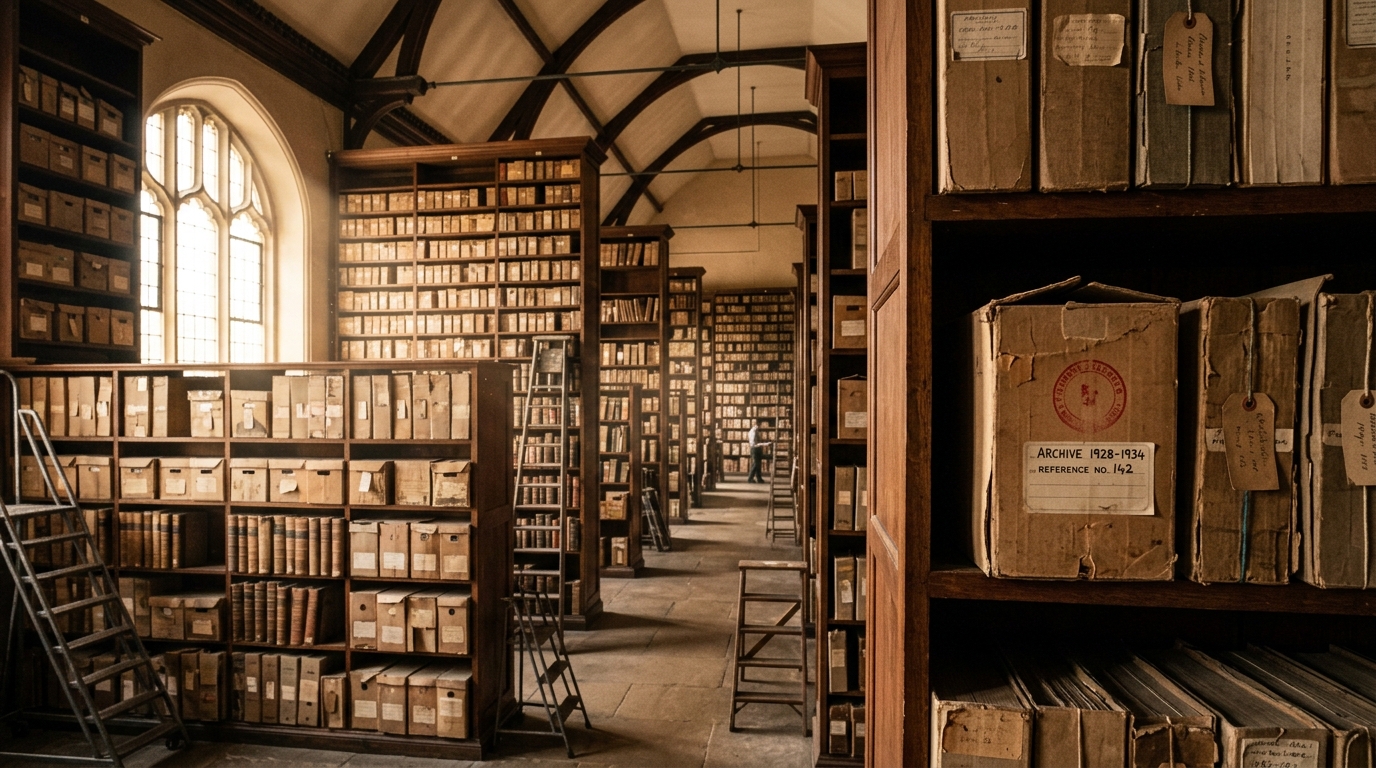
Cleared documents eventually move to the National Archives of India (NAI) in New Delhi. The Centre for Social and Economic Progress reported in 2023 that almost 30,000 military records dating up to 1960 have been transferred to the NAI. Researchers can physically visit the reading rooms to study these files. The catalog includes correspondence, unit logs, and administrative orders. Finding specific information requires immense patience. The indexing systems are often outdated. Archivists face a massive backlog of uncatalogued boxes. The physical condition of mid-century paper adds another layer of difficulty. Fragile pages crumble without careful handling.
Why Does The Henderson Brooks-Bhagat Report Remain Locked Away?
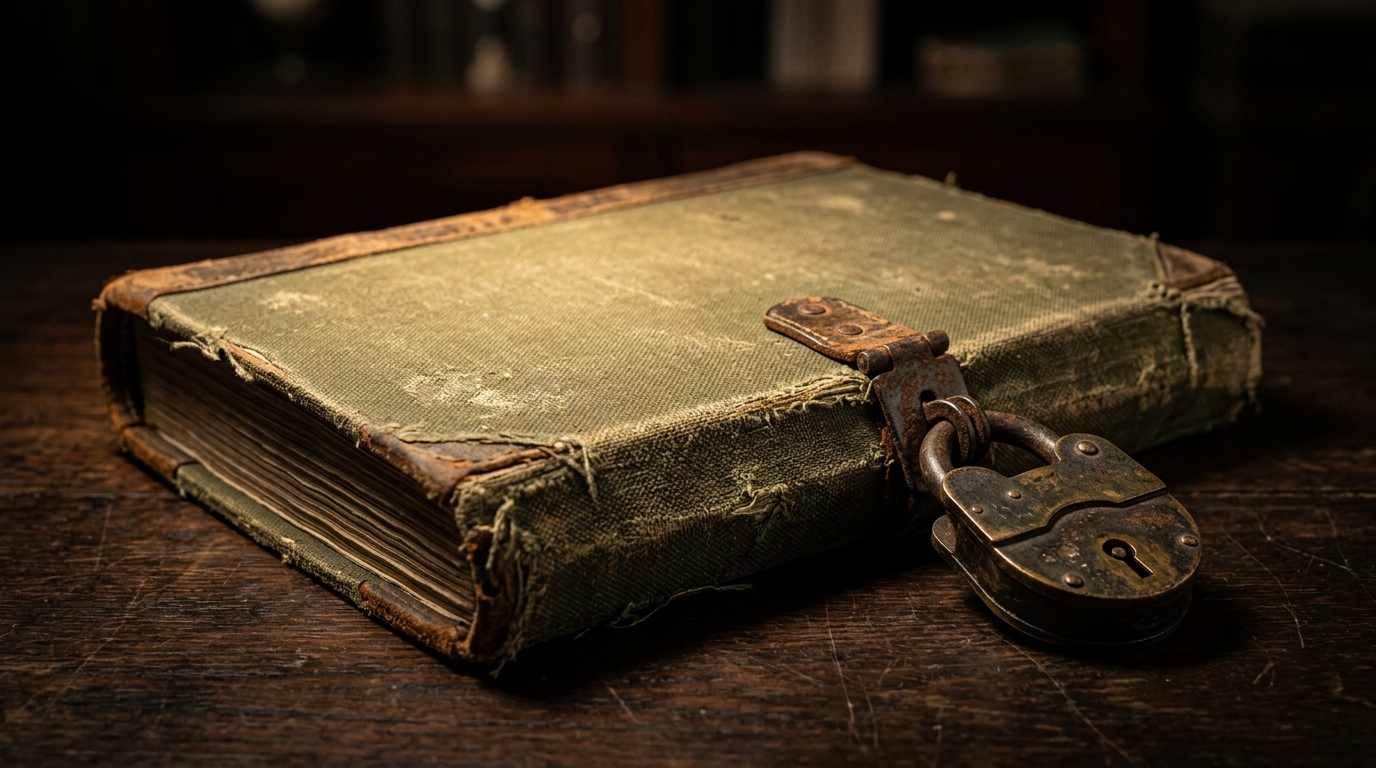
The Henderson Brooks-Bhagat report is a 60-year-old internal military inquiry detailing the 1962 Sino-Indian War defeat that remains locked away because government officials maintain the document holds current operational value. The Henderson Brooks-Bhagat report stands as the ultimate symbol of locked Indian military archives, preventing declassification despite its age.
The Enduring Secrecy of the 1962 War
The 1962 border conflict with China ended in a severe military setback for India. Lieutenant General Henderson Brooks and Brigadier P.S. Bhagat authored a detailed operational review of the failure. The government immediately classified their findings. Successive administrations have denied public access to the text. The refusal persists despite the 2021 policy mandating reviews after 25 years. The MoD claims the report contains sensitive details about high-altitude warfare tactics. Critics argue the document merely exposes political and strategic misjudgments. The prolonged secrecy fuels endless speculation among historians. This single file dominates discussions about transparency in the armed forces.
Recent Archival Discoveries from 2026
Independent researchers sometimes bypass official bottlenecks by finding related documents in private collections. A major revelation occurred in May 2026. Newly surfaced correspondence from the Nehru archives showed active suppression of the inquiry. The Indian Express reported that former Prime Minister Jawaharlal Nehru and the defence ministry actively blocked former Army Chief Gen P N Thapar from viewing the report. Military journalist Man Aman Singh Chhina noted these discoveries prove political leadership shielded the findings from the military commanders who led the operations. This cross-referencing of private papers often provides the only clear view into classified events.
What is the 2025 Delhi High Court Directive?
The 2025 Delhi High Court Directive is a July 2025 legal order requiring the Union government to place the classified Henderson Brooks-Bhagat report before the judges. The 2025 Delhi High Court Directive followed a petition by the Canary Trap highlighting the government's refusal to declassify the 1962 military document. Judges issued the 2025 Delhi High Court Directive to evaluate the "current operational value" claim themselves. Judicial review forces the Ministry of Defence to justify state secrecy in a closed setting. Courts rarely order immediate public release of military secrets. However, legal battles like the 2025 Delhi High Court Directive establish important precedents for future access to Indian military archives.
Digitization Efforts Bring Indian Military Archives Online
The MoD History Division now uploads declassified records to web portals for public access. Digitization solves the problem of physical decay and geographic barriers. Archival teams face immense logistical challenges scanning millions of fragile pages while maintaining accurate historical metadata.
The Launch of the Samar Abhilekh Portal
The MoD History Division collaborated with IIT Kanpur to launch the Samar Abhilekh portal in 2025. This platform makes declassified records accessible to the general public. Users can browse documents from their phones or computers. The interface organizes files by conflict, date, and unit. The portal represents a major shift in how the government handles historical data. It bypasses the need for researchers to travel to New Delhi. The system currently hosts MoD Annual Reports and historical publications like Fauji Akhbars. Building this digital infrastructure required specialized scanning equipment and dedicated server space.
(SEO Note: When publishing images of these documents, use alt text like "History of Indian Military Archives digital scan from Samar Abhilekh" to capture visual search traffic).
Rare Books and Operational Histories
The portal specifically focuses on distributing the official histories compiled by the division. These include detailed accounts of post-independence conflicts. You can read about the integration of princely states and early border skirmishes. The digital format allows for full-text searching. This feature drastically reduces research time. A student looking into the December 1984: A Historical Timeline of the Bhopal Gas Tragedy might use similar search tools for civilian records. Military historians rely on these digitized operational histories to cross-check personal memoirs. The availability of these books democratizes access to primary sources.
The Physical Toll of Preserving Aging Documents
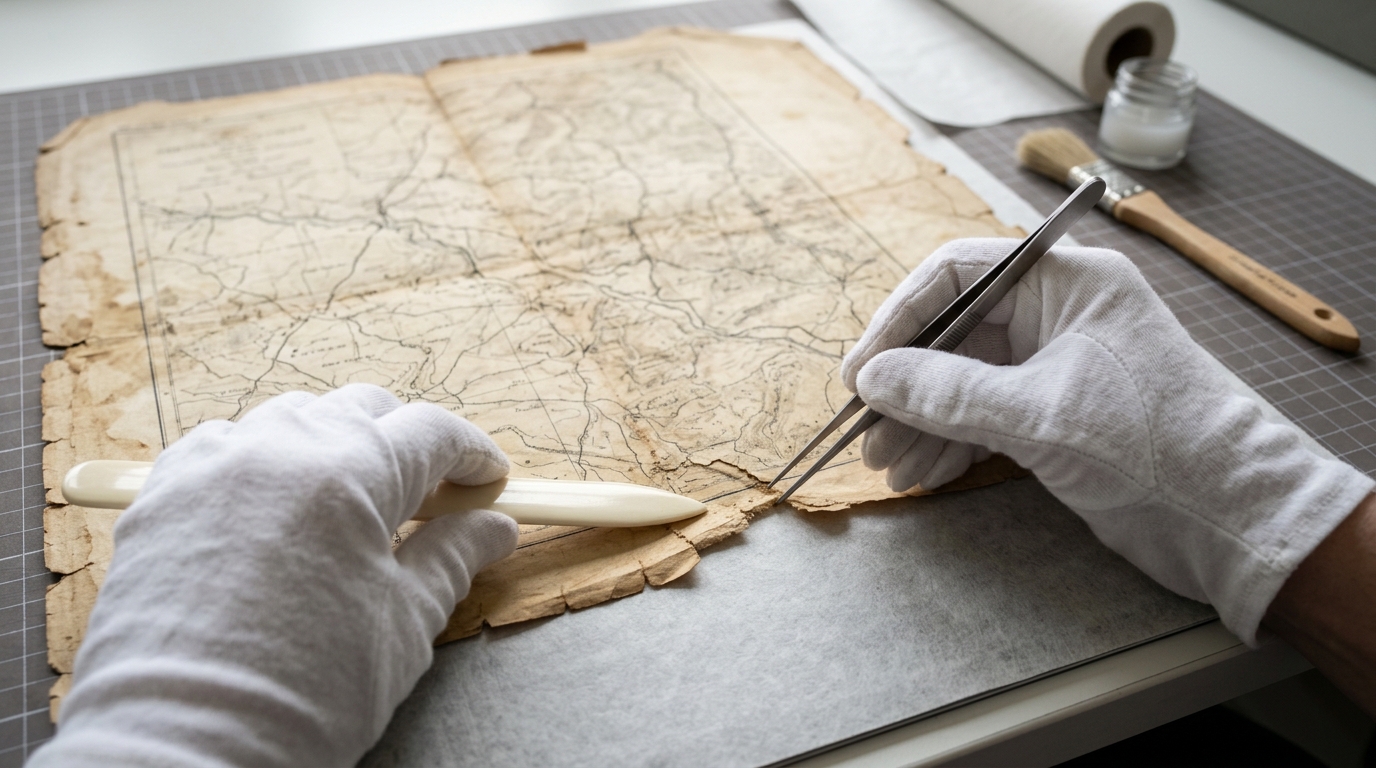
Digitization is a race against physical deterioration. Paper records from the 1940s and 1950s are highly acidic. They turn yellow and brittle over time. Archivists must follow a strict process to save them:
- Carefully flatten folded pages inside climate-controlled rooms.
- Repair minor tears with specialized archival tape.
- Scan the documents using overhead cameras to avoid pressing the binding.
- Enhance the contrast of faded ink using digital software.
- Tag every file with accurate metadata for the search index.
A single box of war diaries can take a week to process. The manual labor behind the Samar Abhilekh portal is immense.
Major Operations Missing From The Public Record
Several significant military operations from the late 20th century remain entirely classified. The official histories of these deployments sit in a bureaucratic limbo. The joint review committee treats domestic and regional interventions with extreme caution compared to conventional border wars.
What Caused the Gap in 1980s Military History?
The gap in 1980s military history is an archival void caused by the Ministry of Defence sealing records for Operation Bluestar in 1984 and the Indian Peace Keeping Force deployment in Sri Lanka from 1987 to 1990. The joint committee has not cleared these official histories for publication. Operation Bluestar and the Indian Peace Keeping Force deployment fall well past the 25-year declassification mark. Both 1980s operations involved complex political dimensions and civilian casualties. The Ministry of Defence categorizes the 1984 and 1987-1990 files as highly sensitive. Researchers studying the gap in 1980s military history must rely on journalistic accounts and retired officers' books. Relying on unofficial sources creates a historical record based heavily on personal perspective rather than documented institutional decisions.
Comparing Archival Access Methods
Understanding where to look is half the battle for historians. Different institutions offer different levels of access.
| Archive Type | Primary Holdings | Access Method | Declassification Speed |
|---|---|---|---|
| Samar Abhilekh Portal | Official MoD histories, rare books | Open online access | Slow (requires joint committee approval) |
| National Archives of India | Pre-1960 war diaries, unit logs | In-person reading room | Very Slow (massive physical backlog) |
| Nehru Memorial Museum | Private officer diaries, letters | In-person library access | Fast (donated directly by families) |
| MEA Archives | Diplomatic cables, foreign policy | Online/In-person | Moderate (often faster than MoD) |
The Path Forward for Researchers
Accessing Indian military archives requires a strategic approach. You must track the specific holdings of the National Archives of India. Cross-reference available military records with civilian diplomatic cables. The Ministry of External Affairs often declassifies related diplomatic correspondence faster than the MoD releases war diaries. A historian studying India at the Olympics: A Timeline of Historic Sporting Milestones can find complete public records easily. A historian studying a 1988 military deployment hits a brick wall. You have to build the narrative from the edges inward.
What is the Role of Private Collections in Military History?
The role of private collections in military history is to fill the gaps left by official government archives using personal diaries and correspondence donated by retired military officers. Private institutions and university libraries house these private collections, providing crucial context that formal operational records from the Ministry of Defence lack.
The Nehru Memorial Museum and Library
The Nehru Memorial Museum and Library (NMML) in New Delhi serves as a primary hub for private military papers. Many senior commanders from the 1947, 1965, and 1971 wars deposited their personal files here. These documents include handwritten notes, private letters, and unofficial photographs. Researchers use these papers to understand the human element of command decisions. Official war diaries record troop movements and casualty numbers. Personal letters reveal the stress, disagreements, and political pressures behind those movements. The NMML indexing system is generally more accessible than government equivalents.
Bypassing the Official Secrets Act
Private papers exist in a legal gray area regarding state secrets. Officers are bound by the Official Secrets Act for life. They sometimes include sensitive details in personal diaries that government censors would strike from official histories. Families often donate these boxes decades after the officer passes away. Archival staff review the donations, but the filter is less rigid than the MoD joint committee. This back-channel provides historians with critical insights. The May 2026 revelation about leadership blocking the 1962 inquiry came directly from such private archives.
Building a Complete Historical Timeline
Relying solely on the MoD History Division creates a skewed view of events. An objective timeline requires blending official data with private accounts. You might find a unit's official location in a declassified NAI file. You then find the unit commander's assessment of the battle in his private papers at a university. This synthesis is how modern Indian military history is actually written. The process mirrors the research required for topics like the 1,000 Years of Indian Medical History: A Chronological Guide. You must gather fragments from multiple disconnected sources to see the whole picture.
Related Reading
- Milestones in Indian Women's History: A Chronological Guide
- 1,000 Years of Indian Medical History: A Chronological Guide
- Historic Milestones of Indian Cinema on the Global Stage
- Economic Milestones in Indian History: From 1947 to Present
FAQ
Q: Are Indian military archives open to the public? A: Access is highly restricted and depends on the specific document. Declassified records up to 1960 are available at the National Archives of India, and some official histories are online via the Samar Abhilekh portal. Most post-1960 operational records remain classified and require special permission to view.
Q: What is the 25-year declassification rule? A: The Ministry of Defence policy states that military records should be reviewed for declassification after 25 years. This rule does not mean automatic public release. A joint committee must approve each file, and they often reject releases based on national security concerns.
Q: Why is the Henderson Brooks-Bhagat report still classified? A: The government claims the 1962 report contains sensitive information about high-altitude warfare and operational tactics that remain relevant today. Critics argue the report is kept secret to hide political and strategic failures rather than actual military secrets. The Delhi High Court reviewed the matter in 2025.
Q: How can I access the Samar Abhilekh portal? A: The Samar Abhilekh portal is a public website launched by the MoD and IIT Kanpur. You can visit the site directly through any web browser to search and download digitized official military histories, rare books, and annual reports.
Open the Samar Abhilekh portal today and search for the official history of the 1947-48 Kashmir operations to see exactly how the MoD formats its declassified historical accounts.
Sources
- Raksha Mantri Shri Rajnath Singh approves policy on archiving, declassification & compilation of war/operations histories — Press Information Bureau, 2021. Supports: The 2021 Ministry of Defence Policy mandates a declassification review for military records after 25 years.
- Samar Abhilekh — Ministry of Defence, 2026. Supports: The Samar Abhilekh portal provides online access to declassified military history books and records.
- Declassification? What is Declassification? Enabling the Study of India's Military History — Centre for Social and Economic Progress, 2023. Supports: Almost 30,000 military records dating up to 1960 have been transferred to the National Archives of India.
- Henderson Brooks–Bhagat Report — Wikipedia, 2026. Supports: The Henderson Brooks-Bhagat report is an internal military inquiry detailing the 1962 Sino-Indian War defeat that remains classified.
- Military Digest | The 1962 cover-up: Archival letters say Nehru blocked former Army Chief from seeing blistering war report — The Indian Express, 2026. Supports: Archival correspondence reveals that Jawaharlal Nehru and the defence ministry actively blocked former Army Chief Gen P N Thapar from viewing the Henderson Brooks-Bhagat report.