The 1975 Emergency in India: A Chronological Timeline of Events

On the midnight of June 25, 1975, electricity stopped flowing to major newspaper offices in New Delhi. This physical blackout signaled the start of a 21-month political blackout. The Indian government suspended fundamental rights, censored the press, and jailed opposition leaders. This period remains one of the most studied eras in modern Indian history.
Understanding this complex period requires looking at the exact sequence of events. A clear 1975 Emergency India timeline helps students and researchers see cause and effect. You can see how economic frustration led to protests, and how those protests led to sudden constitutional changes.
We built this guide to document the facts day by day. It serves as a companion to our broader Indian History Timeline Chart: Key Milestones (Digital Reference). You will find specific dates, key figures, and the legal maneuvers that defined this 21-month era.
The Build-Up: Events Leading to the 1975 Emergency India Timeline
The Emergency did not happen overnight. Years of economic trouble and political tension set the stage. Inflation ran high in the early 1970s. Global oil prices spiked. Droughts hurt agricultural output. These factors created deep public anger across multiple states.
The Nav Nirman Movement (January 1974)
Students in Gujarat started protesting in late 1973. They opposed high hostel food fees. By January 1974, this localized protest grew into the Nav Nirman Andolan (Reconstruction Movement). Middle-class citizens and factory workers joined the students. They demanded the resignation of the state's Chief Minister, Chimanbhai Patel.
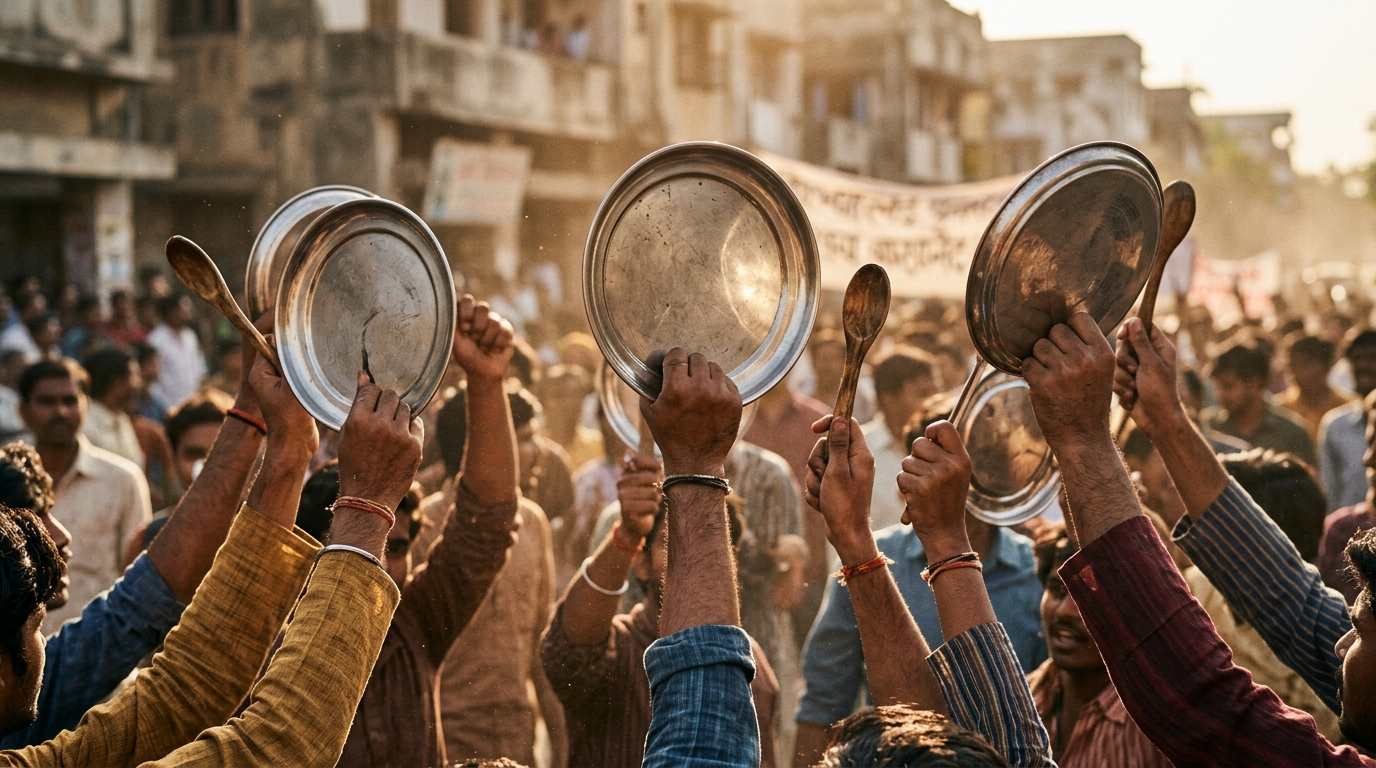
The state government tried to stop the protests with police force. This only made the movement stronger. By February 1974, the central government dissolved the Gujarat state assembly. Imposing President's Rule in Gujarat showed the country the power of mass student protests.
The Bihar Movement and Jayaprakash Narayan (March 1974)
Inspired by Gujarat, students in Bihar launched their own protests in March 1974. They protested against corruption, unemployment, and high prices. The students invited Jayaprakash Narayan (widely known as JP) to lead them. JP was a veteran freedom fighter. He agreed to lead on one condition: the movement must remain strictly non-violent. This approach mirrored earlier struggles documented in our Timeline of Mahatma Gandhi's Nonviolent Movements in India.
JP called for "Total Revolution." He asked students to boycott classes for a year to rebuild the nation. He urged police and government officials to ignore unjust orders. The central government viewed this as a direct call to mutiny. The political friction between Prime Minister Indira Gandhi and JP reached a boiling point.
The Allahabad High Court Verdict (June 12, 1975)
This date marks a critical turning point in the 1975 Emergency India timeline. Raj Narain was a political opponent who lost the 1971 parliamentary election to Indira Gandhi. He filed a case accusing her of electoral malpractice. He claimed she used government resources for her political campaign.
On June 12, 1975, Justice Jagmohanlal Sinha of the Allahabad High Court delivered a historic verdict. He found Indira Gandhi guilty of minor electoral malpractices. The court declared her 1971 election win void. The judge banned her from holding elected office for six years.
This verdict meant she had to step down as Prime Minister. The Congress party immediately appealed to the Supreme Court. On June 24, 1975, the Supreme Court granted a conditional stay. They allowed her to remain Prime Minister pending a full appeal, but she could not vote in Parliament.
The Declaration: June 25 to June 26, 1975
The Supreme Court's conditional stay did not calm the opposition. JP and other leaders organized a massive rally in Delhi. They demanded the Prime Minister's immediate resignation.
The Ramlila Maidan Rally (June 25, 1975)
On the evening of June 25, JP addressed a massive crowd at Ramlila Maidan in New Delhi. He recited a famous Hindi poem by Ramdhari Singh Dinkar: "Singhasan khaali karo ke janata aati hai" (Vacate the throne, for the people are coming). He again asked the police and military not to obey illegal orders. The government decided to act that very night.
The Midnight Arrests and Proclamation
Late that night, the Prime Minister advised President Fakhruddin Ali Ahmed to declare a state of internal emergency. She cited a threat to national security from internal disturbances. The President signed the proclamation under Article 352 of the Indian Constitution.
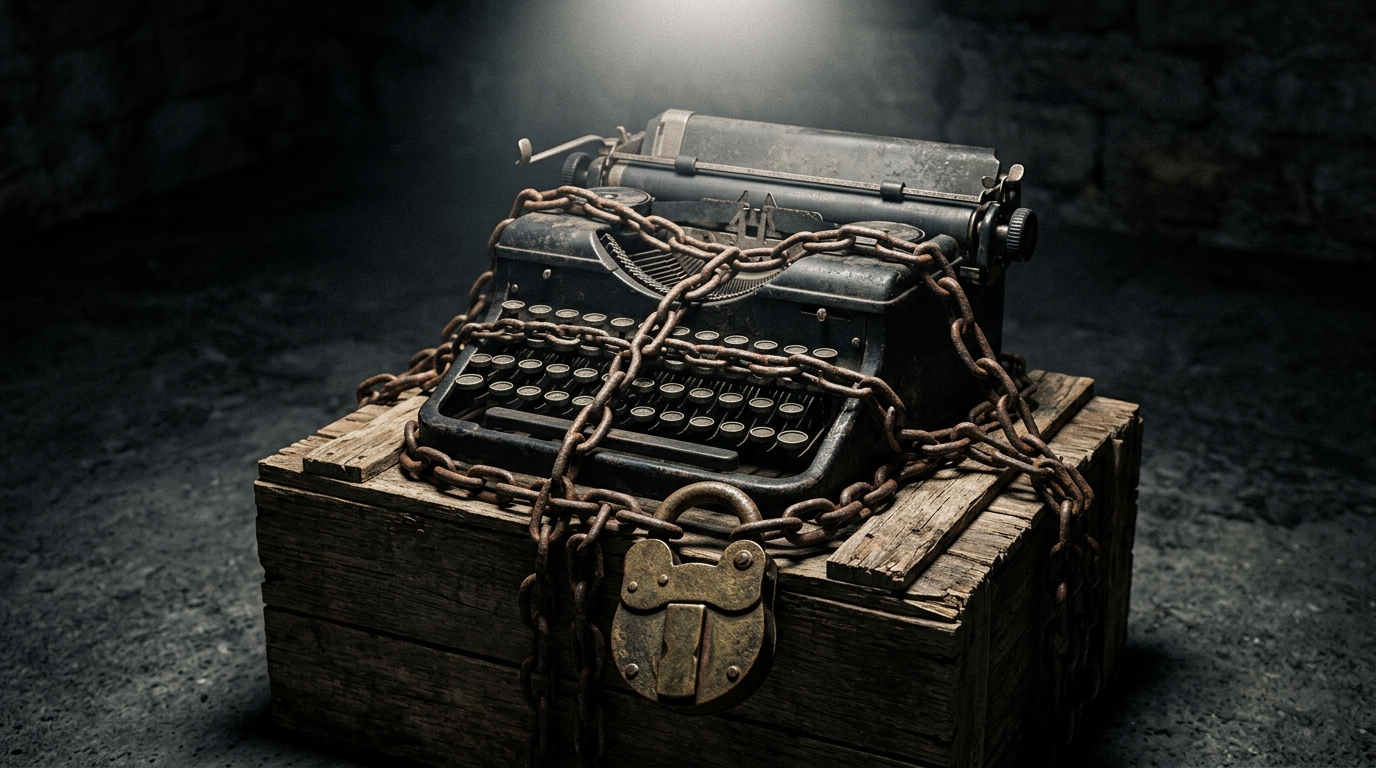
Police forces mobilized across the country before dawn. They arrested key opposition leaders while they slept. The list of detainees included Jayaprakash Narayan, Morarji Desai, L.K. Advani, and Atal Bihari Vajpayee. The government also cut power to the printing presses of major newspapers to prevent morning editions from reporting the arrests.
The Morning Radio Broadcast (June 26, 1975)
Citizens woke up to a changed country on June 26. At 8:00 AM, Indira Gandhi spoke on All India Radio. She told the nation that the President had proclaimed an Emergency. She assured the public there was no need to panic. She claimed the harsh measures were necessary to save India from internal chaos and foreign plots. The shock of this morning makes June 26 one of the 10 Most Searched Dates in Indian History and Why They Matter.
The First Year of the 1975 Emergency India Timeline
The government moved quickly to consolidate power after the initial declaration. The executive branch bypassed normal parliamentary procedures. They ruled largely by decree.
Press Censorship and the MISA Act
The government imposed strict censorship rules on the press. Newspapers had to submit their articles to a government censor before printing. Some editors protested through silent defiance. The Indian Express and The Statesman printed blank editorial columns to highlight the missing freedom of speech.
Authorities relied heavily on the Maintenance of Internal Security Act (MISA). This law allowed the government to arrest and hold people without trial. Police arrested thousands of political workers, trade unionists, and student leaders under MISA. They did not have to produce these prisoners before a judge.
The 38th and 39th Amendments (July - August 1975)
The government passed new constitutional amendments to protect the Prime Minister's position. Parliament passed these laws quickly because most opposition members were in jail.
The 38th Amendment barred courts from reviewing the President's declaration of Emergency. The 39th Amendment placed the election of the Prime Minister, President, Vice President, and Lok Sabha Speaker beyond the reach of Indian courts. This specific amendment retroactively made the Allahabad High Court verdict irrelevant.
The 20-Point Economic Program
The government needed public support. To gain it, Indira Gandhi announced a 20-Point Economic Program on July 1, 1975. The program promised to lower prices, abolish bonded labor, liquidate rural debt, and provide land to the landless. It also pushed for accelerated power programs and development in the handloom sector.
This initiative brought some short-term economic stability. Inflation dropped. Government workers arrived at offices on time. Trains ran on schedule. We cover the long-term impact of these policies in our guide to Economic Milestones in Indian History: From 1947 to Present. However, the loss of civil liberties overshadowed these administrative improvements.
The Second Year: Resistance and Extension (1976)
As the Emergency stretched into 1976, the government delayed scheduled general elections. The state apparatus grew more aggressive in enforcing its policies.
Underground Resistance Movements
Not all opposition stopped after the midnight arrests. Many political workers went underground. Members of the Rashtriya Swayamsevak Sangh (RSS) and the Akali Dal formed secret networks. They published underground pamphlets and newsletters. They used cyclostyle machines to print news that the censored papers could not cover.
George Fernandes, a prominent socialist leader, led an underground resistance movement. Police eventually arrested him in the famous Baroda Dynamite Case. The government accused him of smuggling dynamite to blow up government property and railway tracks. These underground efforts kept the spirit of protest alive when public rallies were illegal.
The ADM Jabalpur Case (April 1976)
Citizens arrested under MISA filed petitions in various High Courts. They asked for writs of habeas corpus (the right to be brought before a judge). Several High Courts ruled in favor of the citizens. The government appealed to the Supreme Court.
In April 1976, the Supreme Court delivered its judgment in ADM Jabalpur v. Shivkant Shukla. By a 4-1 majority, the court ruled that during an Emergency, citizens lose their right to life and personal liberty under Article 21. Justice H.R. Khanna was the sole dissenting judge. He argued that the right to life cannot be suspended under any circumstances. His dissent cost him the position of Chief Justice, but history vindicated his stance.
The 42nd Amendment Act (November 1976)
The government passed the 42nd Amendment in late 1976. This act changed so many parts of the Constitution that lawyers call it the "Mini-Constitution." It remains a massive part of the 1975 Emergency India timeline.
The 42nd Amendment shifted power away from the courts and toward the Parliament. It added the words "Socialist," "Secular," and "Integrity" to the Preamble. It also established a list of Fundamental Duties for citizens. It extended the term of the Lok Sabha from five years to six years.
| Amendment | Date Passed | Key Change Implemented |
|---|---|---|
| 38th Amendment | July 1975 | Blocked judicial review of Emergency declarations. |
| 39th Amendment | August 1975 | Placed Prime Minister's election beyond court scrutiny. |
| 41st Amendment | September 1976 | Changed retirement age of State Public Service Commission members. |
| 42nd Amendment | November 1976 | Curtailed judicial review, added Fundamental Duties, extended Lok Sabha term. |
Mass Sterilization Campaigns
Sanjay Gandhi, the Prime Minister's younger son, held no official government position. Yet, he wielded immense power during this period. He championed a five-point program. The most controversial part was a massive family planning and sterilization drive.
Local officials received strict quotas for vasectomies. To meet these targets, police and health workers forced thousands of poor men into sterilization camps. Reports of coercion and botched surgeries spread across North India. This campaign caused deep resentment and fear among the rural population.
The Conclusion of the 1975 Emergency India timeline
By early 1977, the country seemed quiet on the surface. The press was tamed. Strikes were illegal. The opposition was in jail. The government believed it had the support of the masses.
The Surprise Election Announcement (January 1977)
On January 18, 1977, Indira Gandhi made a surprise radio broadcast. She announced that the government would hold general elections in March. She ordered the release of political prisoners. She also relaxed press censorship and allowed political rallies.
Historians debate why she called for elections. Some suggest she received flawed intelligence predicting a massive victory. Others believe she wanted to restore her democratic legitimacy on the world stage.
The Formation of the Janata Party
The released opposition leaders wasted no time. They knew they could only defeat the ruling party if they united. Four major opposition parties merged to form the Janata Party. Jayaprakash Narayan acted as the ideological guide for this new coalition.
The Janata Party ran a single-issue campaign. They framed the election as a choice between democracy and dictatorship. The public anger over forced sterilizations and arbitrary arrests fueled massive attendance at their rallies.
The Final Withdrawal (March 1977)
Voters went to the polls between March 16 and March 20, 1977. The results shocked the political establishment. The Congress party suffered a massive defeat, especially in North India. Both Indira Gandhi and Sanjay Gandhi lost their own parliamentary seats.
The Janata Party won a clear majority. Morarji Desai became the new Prime Minister. Before officially leaving office, Indira Gandhi advised the President to revoke the Emergency. On March 21, 1977, the government officially withdrew the proclamation. The 21-month era came to a close.
Key Takeaways for Historical Study
The timeline of the 1975 Emergency provides a clear map of how democratic institutions can fail and recover. When you study Indian political history, use this timeline to track the balance of power between the executive branch and the judiciary.
Focus on the legal mechanics. The events between June 1975 and March 1977 show how easily constitutional amendments can alter a nation's foundation when opposition is silenced. If you are preparing for exams or writing a research paper, map the specific court cases directly to the constitutional amendments that followed them. This direct cause-and-effect mapping will give you a much stronger grasp of India's modern political evolution.