Rowlatt Act History Timeline
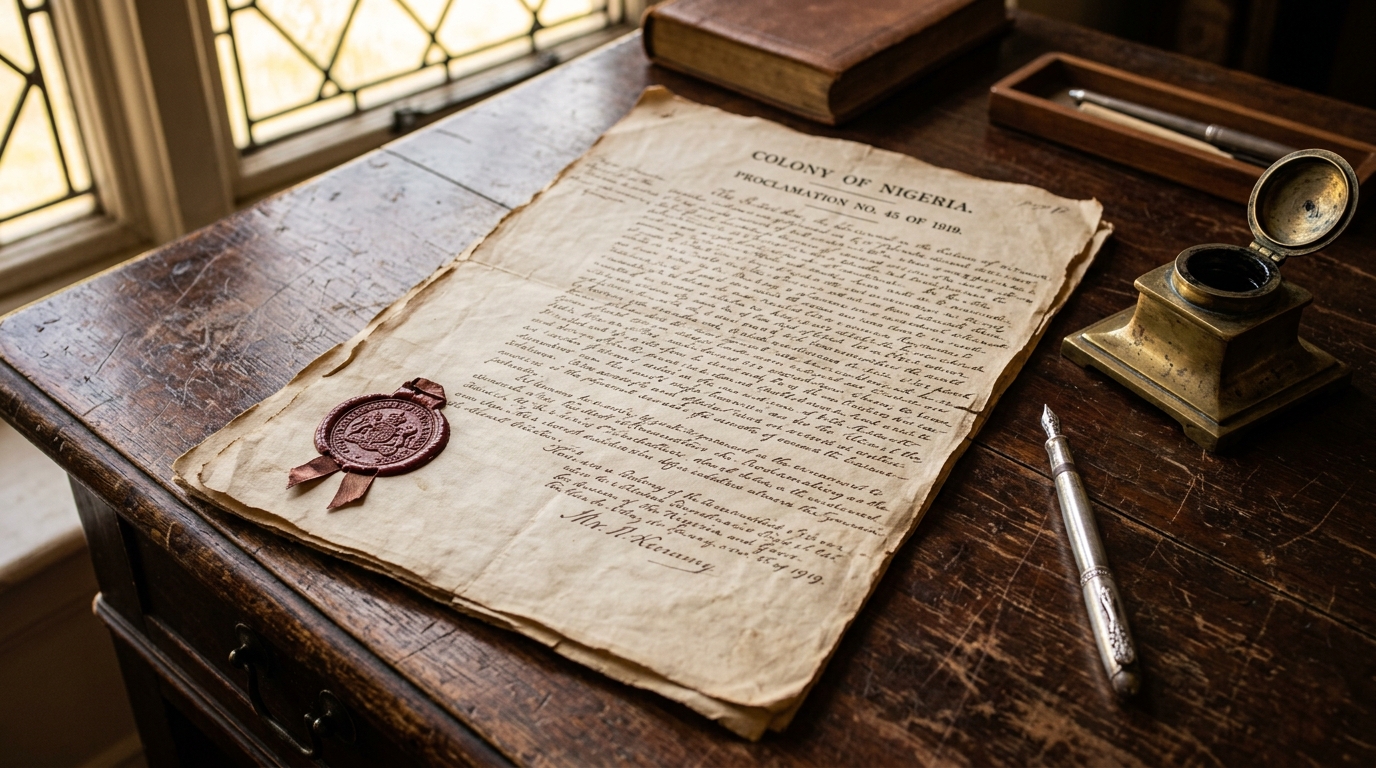
What is the bottom line of the rowlatt act history timeline?
The bottom line of the rowlatt act history timeline is that the British colonial government's March 1919 decision to make World War I emergency powers permanent in peacetime India suspended civil liberties. According to historical records, the 1919 legislation triggered Mahatma Gandhi's April 6 nationwide nonviolent strike and directly caused the April 13 Jallianwala Bagh massacre in Amritsar.
Key Takeaways
- Every Indian member of the Imperial Legislative Council voted against the Rowlatt bill in 1919.
- The Act allowed the British government to imprison Indian citizens indefinitely without any trial.
- The secret arrest of local leaders Dr. Saifuddin Kitchlew and Dr. Satyapal ignited mass protests.
- British troops fired 1,650 rounds into an unarmed civilian crowd at Jallianwala Bagh.
- The British government officially repealed the politically toxic Rowlatt Act in 1922.
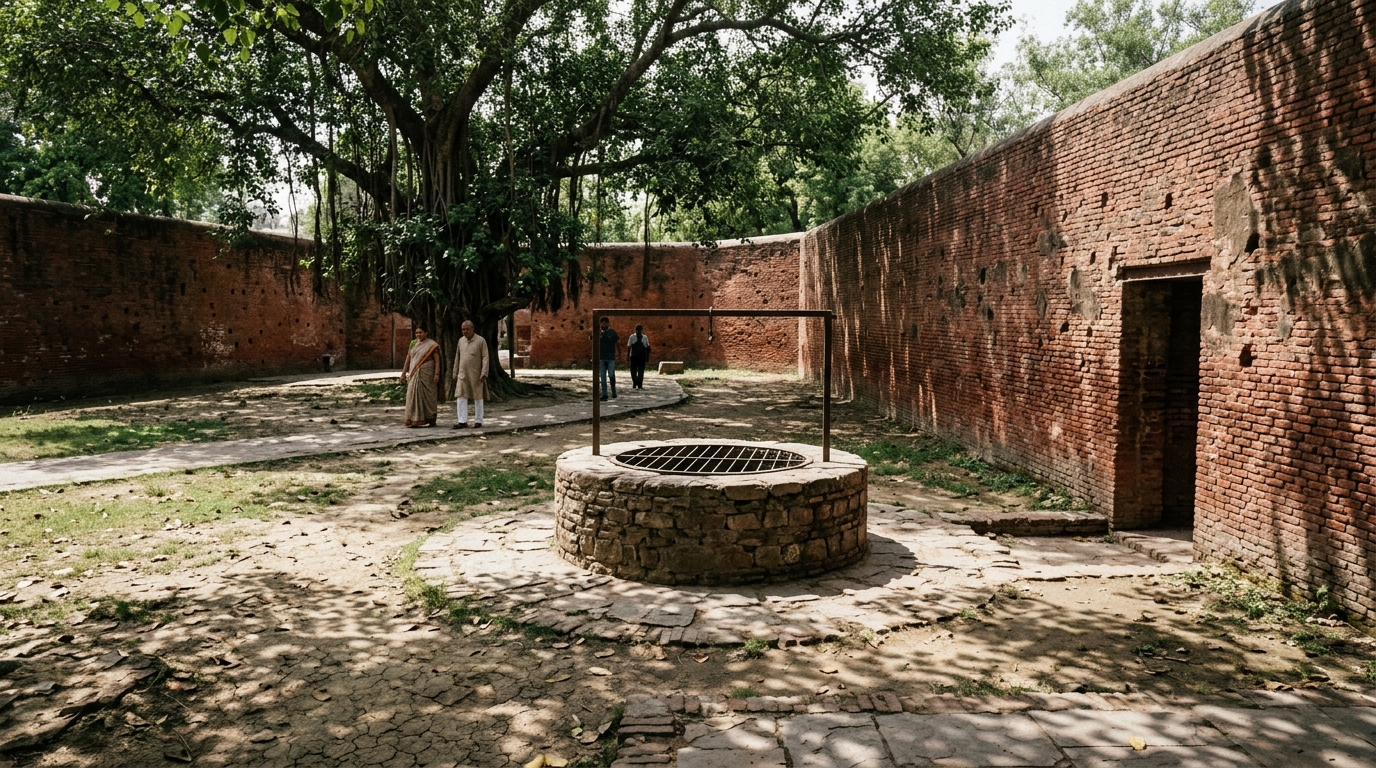
Visitors to the Jallianwala Bagh memorial in Amritsar today can still trace their fingers over original bullet holes preserved in the brick walls. These physical scars mark the violent climax of a specific legal decision made hundreds of miles away in Delhi. Before the bullets flew in April 1919, a piece of paper laid the groundwork for the tragedy. The colonial government drafted a law designed to crush political dissent by stripping away basic legal rights.
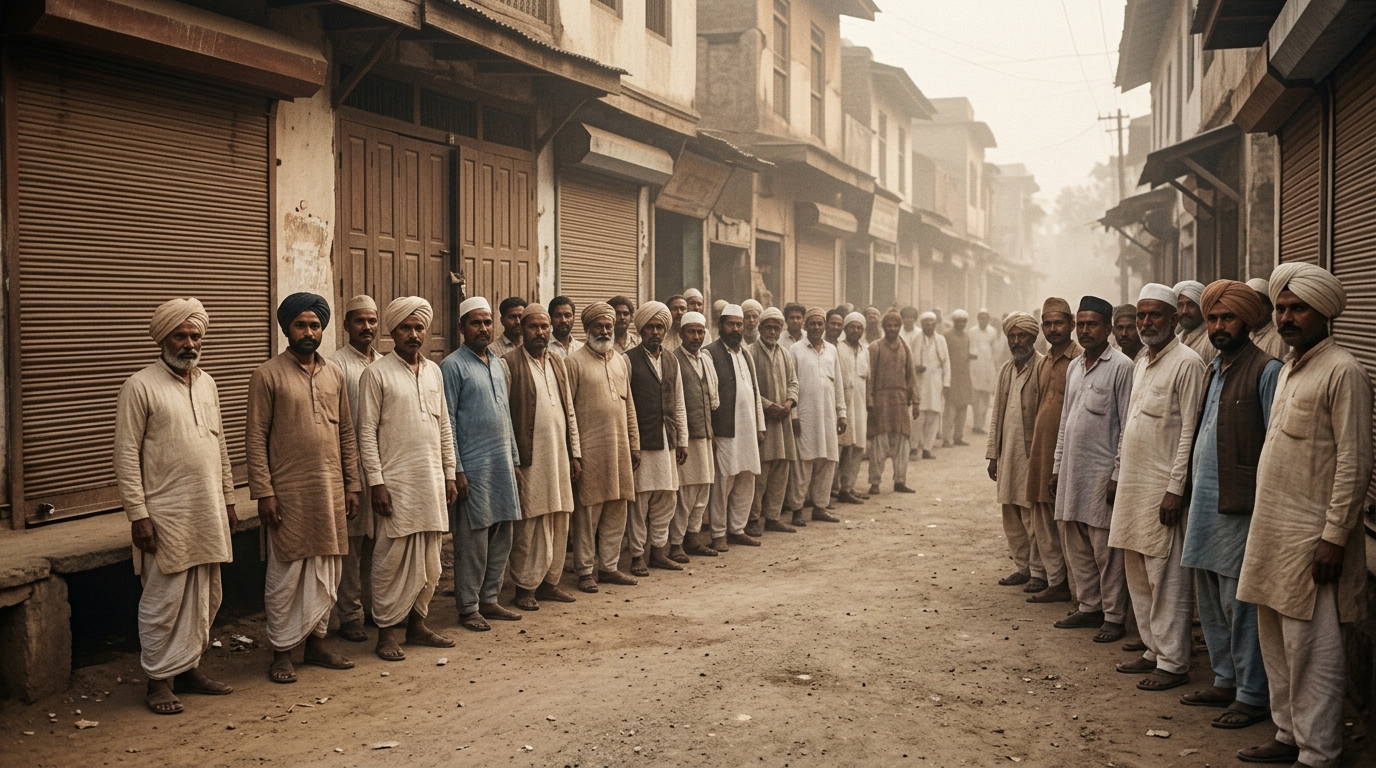
Understanding the rowlatt act history timeline requires looking at the months leading up to that fatal spring. The legislation pushed a frustrated, war-weary population to its breaking point. It transformed scattered regional protests into a unified national movement overnight. The legal framework created a pressure cooker in northern India. When the colonial state tried to enforce its new rules, the resulting explosion changed the trajectory of the British Empire forever.
What led to the drafting of the Rowlatt Act?
The British drafted the Rowlatt Act to maintain strict wartime controls over the Indian population after World War I ended. Colonial authorities feared a rise in armed uprisings and wanted permanent legal tools to suppress political organizing, censor the press, and jail dissidents without standard legal procedures.
What is the Defence of India Act 1915?
The Defence of India Act 1915 is the emergency legislation passed by the British government during World War I to secure the Indian colony against internal threats. According to British parliamentary records, the 1915 law gave the colonial state sweeping powers to arrest nationalist figures and silence dissenting publications. When World War I ended in 1918, Indian citizens expected the British government to lift the 1915 restrictions. Instead, colonial administrators worried that returning soldiers and growing nationalist sentiment would destabilize British rule. The administrators tasked British judge Sir Sidney Rowlatt with evaluating political threats across the subcontinent. The Rowlatt committee recommended extending the 1915 wartime emergency powers indefinitely into peacetime law.
Forced WWI Recruitment in Punjab
Many historical accounts miss the intense local anger brewing in specific regions before the legislation even passed. The colonial government had heavily relied on the Punjab region for military manpower during the war. According to historical records [Wikipedia, 2026], forced recruitment quotas in some Punjabi areas jumped from 1 in 150 men to 1 in 44 men. This aggressive conscription devastated local farming communities and bred deep resentment toward British administrators. When rumors of the new restrictive laws reached these already aggrieved villages, the population was primed for mass mobilization. The economic strain of severe wartime inflation further compounded this rural anger.
What is the Sedition Committee's Report?
The Sedition Committee's Report is the 1918 document submitted by the Rowlatt Committee claiming that underground anti-colonial conspiracies threatened the British state. The resulting 1919 legislation codified the 1918 fears into law, criminalizing the activities of nationalist leaders and stripping away the basic rights to gather, protest, or receive a fair trial. Author and politician Shashi Tharoor notes that the 1919 legislation shattered any illusion of benign colonial rule [Real Time History, 2021]. The 1919 law bypassed standard judicial oversight completely. The legislation allowed special tribunals to try suspects in secret, denied defendants the right to legal representation, and removed any avenue for appeal. The Indian public quickly summarized the draconian provisions with a simple slogan: "No Lawyer, No Trial, No Appeal."
How does the rowlatt act history timeline unfold day by day?
The rowlatt act history timeline begins with the bill's passage on March 18, 1919, despite unanimous Indian opposition. It continues with Mahatma Gandhi's nationwide strike on April 6, escalates with the arrest of key local leaders on April 9, and culminates in massive civilian protests across Punjab.
March 18, 1919: The Imperial Legislative Council Vote
The Imperial Legislative Council hastily passed the Rowlatt Act on March 18, 1919 [Britannica, 2026]. The voting record reveals a stark racial divide within the colonial government. Every single Indian member of the council voted against the bill. Prominent leaders like Muhammad Ali Jinnah and Madan Mohan Malaviya resigned from the council in protest immediately after the vote. The British administration forced the legislation through using their official majority, completely ignoring the unanimous native opposition. This blatant disregard for Indian political voices proved that the colonial system offered no real legislative representation.
April 6, 1919: Gandhi's Nationwide Satyagraha
The passage of the Act triggered Mahatma Gandhi to launch his first truly nationwide political campaign. He called for a general strike, or hartal, scheduled for April 6, 1919. This event holds a major place in the Timeline of Mahatma Gandhi's Nonviolent Movements in India. Millions of Indians stopped working, closed their shops, and held public meetings to protest the legislation. The strike demonstrated a new form of nonviolent resistance that crossed religious and regional lines. British authorities recognized the danger of this unified front and quickly moved to suppress the organizers. They banned Gandhi from entering Punjab, forcing him to turn back at the regional border.
April 9-10, 1919: The Arrest of Key Local Leaders
The tension in Punjab reached a boiling point during the second week of April. On April 9, British authorities secretly arrested two prominent local leaders in Amritsar: Dr. Saifuddin Kitchlew and Dr. Satyapal. Both men had organized peaceful protests against the Rowlatt Act and promoted Hindu-Muslim unity [India On This Day, 2026]. The government deported them to an undisclosed location. When citizens learned of the arrests on April 10, they marched toward the local British commissioner's residence to demand the leaders' release. British pickets fired on the crowd, killing several protesters. The violence rapidly escalated into riots, resulting in the deaths of five Europeans and the destruction of several government buildings.
Why did the Rowlatt Act directly cause the Jallianwala Bagh massacre?
The Rowlatt Act caused the Jallianwala Bagh massacre by triggering the initial protests that led British authorities to ban public gatherings in Amritsar. When thousands of unaware citizens gathered for a harvest festival, the military violently enforced the ban to set a terrifying example against further rebellion.
Baisakhi Day Gatherings in Amritsar
By April 13, 1919, Amritsar was under heavy military control. That day coincided with Baisakhi, a major traditional harvest festival in the Punjab region. An estimated 15,000 to 20,000 people gathered inside Jallianwala Bagh, a large enclosed public garden near the Golden Temple [The Hindu, 2019]. The crowd included men, women, and children from surrounding villages who had traveled to the city for the festival and a cattle fair. Many of these rural visitors were completely unaware that the military commander, Brigadier-General Reginald Dyer, had issued a proclamation earlier that morning banning all public meetings. A smaller group of local activists had also gathered in the garden to peacefully protest the Rowlatt Act and the recent arrests.
Brigadier-General Dyer's Deadly Order
Brigadier-General Dyer received word of the gathering and marched a detachment of 50 Gurkha and Baluchi riflemen to the garden. He did not issue a warning to the crowd to disperse. Dyer blocked the narrow main entrance with his troops and ordered them to open fire on the densest parts of the crowd. The soldiers fired 1,650 rounds of ammunition over ten minutes, stopping only when they ran out of bullets [TIME, 2019]. The high walls surrounding the garden prevented the trapped civilians from escaping. Panic ensued as people scrambled over each other to climb the walls or jump into the garden's main well to avoid the gunfire.
The Immediate Casualties and Aftermath
The exact death toll remains a point of historical contention. The official British inquiry recorded 379 deaths, while an independent investigation by the Indian National Congress estimated approximately 1,000 deaths [Asia Times, 2019]. Dyer later testified that his intention was not simply to disperse the crowd, but to produce a moral effect and punish the Indians for their disobedience. This brutal enforcement of the Rowlatt Act's underlying philosophy shocked the nation. It alienated many moderate Indian politicians who had previously supported the British Empire. The massacre marked a permanent turning point in the struggle for independence, breaking the psychological bond between the rulers and the ruled.
What happened during the post-massacre martial law period?
Following the massacre, the British colonial government declared formal martial law across the Punjab region. Authorities used this period to inflict severe collective punishments, humiliate the local population, and suppress any remaining opposition to the Rowlatt Act through public violence and mass arrests.
What is the infamous crawling order?
The infamous crawling order is a humiliating punishment instituted by Brigadier-General Reginald Dyer in April 1919 for the residents of Amritsar. According to the UK Parliament Hansard [2019], Dyer mandated that any Indian passing through the specific street where British missionary Marcella Sherwood was assaulted had to crawl on their hands and knees. Most historical timelines stop at April 13, omitting the brutal military regime that followed the Jallianwala Bagh massacre. British soldiers strictly enforced the crawling rule, forcing Amritsar residents to drag their bellies in the dirt just to reach the residents' own homes [UK Parliament Hansard, 2019]. The April 1919 collective punishment aimed to degrade the entire Punjabi population.
Public Floggings and Repression
The martial law administration implemented a reign of terror throughout late April and May. The events fit grimly into Late April in Indian History: Key Dates, Birthdays, and Milestones. Military courts tried hundreds of Indians, sentencing many to death or transportation for life in penal colonies. Authorities set up public whipping triangles in the streets of Amritsar and Lahore. Soldiers publicly flogged students, merchants, and activists for minor infractions like failing to salute British officers or violating curfews. The government also cut off water and electricity to certain neighborhoods and restricted train travel to isolate the region. These extreme measures successfully crushed the immediate protests, but they cemented a deep, unforgiving hatred for colonial rule across India.
How do historians view the rowlatt act history timeline today?
Historians view the timeline as the definitive catalyst that transformed Indian nationalism from a middle-class debate into a mass movement. The legislation exposed the myth of British justice, forced colonial authorities to eventually repeal the law, and continues to drive modern debates over historical accountability.
The 1922 Repeal
The colonial government never actually invoked the specific powers granted by the Rowlatt Act. The massive public backlash and the subsequent bloodbath made the legislation politically toxic. The British government officially repealed the Rowlatt Act in 1922 under the Special Laws Repeal Act [Wikipedia, 2026]. By that time, the damage was irreversible. The law had achieved the exact opposite of its intended goal. Instead of suppressing armed resistance, the legislation had radicalized an entire generation of Indian citizens. The repeal offered no comfort to the families of those killed at Jallianwala Bagh or those tortured under martial law.
The Ongoing Debate Over British Apologies
The legacy of the Rowlatt Act and the resulting massacre remains highly relevant in modern international relations. The 100th anniversary of the Jallianwala Bagh massacre in 2019 sparked renewed, bipartisan demands in the UK Parliament for a formal apology, which the UK government has still refused to provide [TIME, 2019; UK Parliament Hansard, 2019]. Former UK Prime Minister Theresa May issued a statement of "deep regret" regarding the event, but explicitly stopped short of a formal apology [The Hindu, 2019]. Historian Kim A. Wagner points out a complex tradeoff in these demands. He argues that demanding a British apology for Amritsar is problematic because isolating this single event perpetuates the false narrative that the rest of the British Empire was a force for good [American Historical Association, 2019]. The entire legislative framework of the Rowlatt Act demonstrates that the violence was systemic, not an isolated mistake. You can see how this event ranks among the 10 Most Searched Dates in Indian History and Why They Matter to understand its lasting impact on public memory.
What are the FAQs about the Rowlatt Act?
The FAQs about the Rowlatt Act are a collection of common historical inquiries regarding the March 1919 British colonial legislation. According to historical archives, these frequently asked questions address the March 18 passage of the law, the April 9 arrests of local leaders, and the eventual 1922 repeal of the legislation.
Q: When was the Rowlatt Act passed? The Imperial Legislative Council passed the Rowlatt Act on March 18, 1919. The March 18 legislation extended emergency World War I powers into peacetime.
Q: Why was the Rowlatt Act called the Black Act? Indian citizens called the legislation the Black Act because the law stripped away fundamental civil liberties. The Black Act allowed the British government to arrest Indian citizens without warrants and hold the citizens indefinitely without trial.
Q: Who were the leaders arrested before the Jallianwala Bagh massacre? British authorities arrested Dr. Saifuddin Kitchlew and Dr. Satyapal on April 9, 1919. The secret deportation of Dr. Kitchlew and Dr. Satyapal sparked the initial April 1919 protests in Amritsar.
Q: Did the British government ever repeal the Rowlatt Act? Yes, the British government officially repealed the Rowlatt Act in 1922. The massive public backlash across India made the 1919 law politically impossible to enforce.
To fully grasp the scale of the Indian independence movement, readers need to study the regional protests that followed the 1919 era. Open an archive of primary sources from 1919 and read the Hunter Commission report on the April 13 massacre. Readers will see exactly how colonial legal frameworks justified state violence.
Related Reading
- Indian History Timeline Chart: Key Milestones (Digital Reference)
- India at the Olympics: A Timeline of Historic Sporting Milestones
- Indian History Milestones: The Maurya and Gupta Empires
- Milestones in Indian Women's History: A Chronological Guide
Sources
- Rowlatt Act | British Raj, Civil Liberties, & Repression — Encyclopedia Britannica, 2024. Supports: Every Indian member of the Imperial Legislative Council voted against the Rowlatt bill in 1919.
- Anarchical and Revolutionary Crimes Act, 1919 — Wikipedia, 2024. Supports: The Act allowed the British government to imprison Indian citizens indefinitely without any trial.
- Jallianwala Bagh massacre — Wikipedia, 2024. Supports: The secret arrest of local leaders Dr. Saifuddin Kitchlew and Dr. Satyapal ignited mass protests.
- Jallianwala Bagh Massacre - Hansard — UK Parliament, 2019. Supports: British troops fired 1,650 rounds into an unarmed civilian crowd at Jallianwala Bagh.
- Rowlatt Act — Encyclopedia Britannica, 2024. Supports: The British government officially repealed the Rowlatt Act in 1922.
- Anarchical and Revolutionary Crimes Act, 1919 — Wikipedia, 2024. Supports: The Imperial Legislative Council hastily passed the Rowlatt Act on March 18, 1919.