Returning Heritage: Key Dates in Indian Artifact Repatriation
The Quick Read
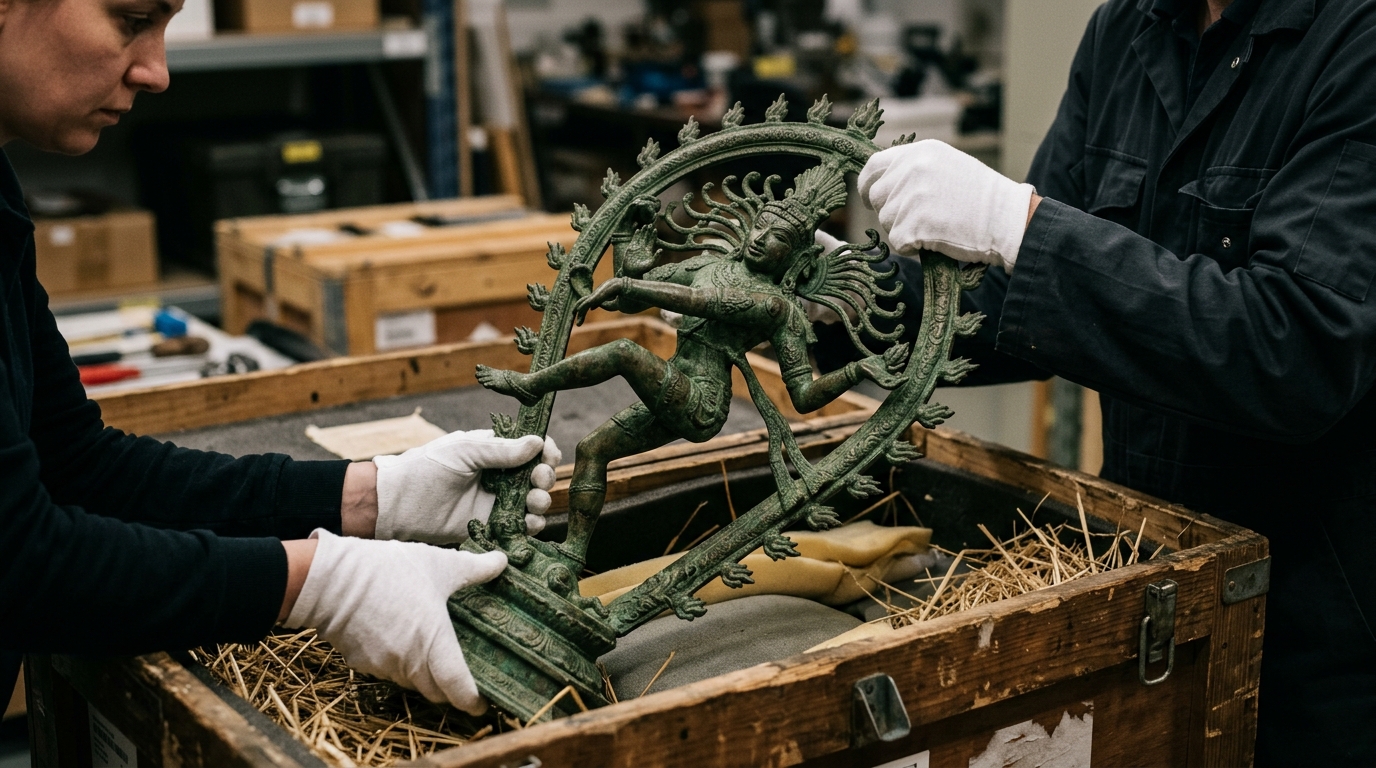
Indian artifact repatriation history tracks the ongoing legal and diplomatic efforts to return stolen cultural treasures to India. The movement gained legal grounding with the 1972 Antiquities Act and accelerated significantly after 2014. Today, bilateral agreements and digital tracking help recover hundreds of ancient sculptures from foreign museums.
Key Takeaways
- Post-2014 diplomacy shifted repatriation from a slow legal process to a fast-tracked diplomatic priority.
- The 1970 UNESCO Convention provides the core legal framework for demanding the return of stolen heritage.
- Citizen-led digital tracking groups now play a critical role in matching museum pieces to stolen temple archives.
- High-profile arrests of smugglers in the early 2010s forced global museums to audit their South Asian collections.
- Repatriated items often return to their original temples rather than sitting in centralized state museums.
Between 2014 and 2024, India successfully recovered 344 stolen antiquities from abroad. This is a massive spike compared to the mere 13 items brought back between 1976 and 2013. For decades, ancient stone carvings and bronze deities quietly disappeared from rural temples, ending up in glass display cases in New York, London, and Canberra. The tide has finally turned.
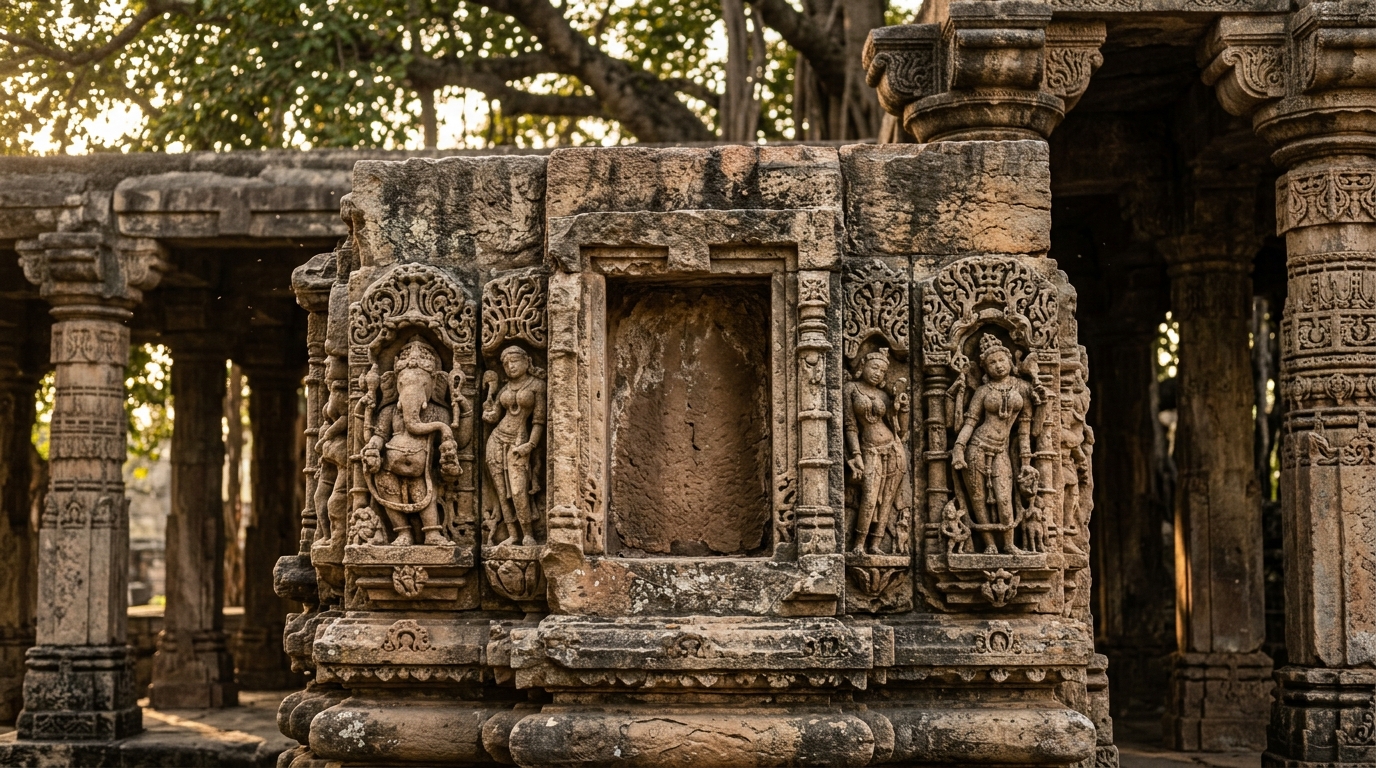
Tracing Indian artifact repatriation history reveals a shift in how the world views cultural property. It is no longer just an academic debate. It is a highly active legal process involving global law enforcement, international treaties, and dedicated archival research. The process of bringing these gods and heroes home is complex. It requires proving origin, navigating international law, and maintaining relentless diplomatic pressure.
The Early Years of Indian Artifact Repatriation History
The early history of artifact repatriation in India was slow and hindered by weak domestic laws. It began taking formal shape only after 1972, when new legislation aligned with global conventions to combat the illicit trafficking of cultural property. This gave the government its first real enforcement tools.
The 1972 Antiquities and Art Treasures Act
Before 1972, India struggled to stop the bleeding of its cultural heritage. The Antiquities and Art Treasures Act changed the legal baseline. It required private owners to register antiquities with the government. It also made the export of any antiquity illegal unless authorized by the central government.
This law was a direct response to rampant smuggling in the 1960s. Rural temples lacked security. Smugglers easily removed centuries-old statues and shipped them out through major ports. The 1972 Act gave the Archaeological Survey of India (ASI) the authority to regulate and intervene. However, enforcing this law internationally remained a massive challenge. Foreign courts often demanded absolute proof of theft before seizing items from private collectors.
The First Major Legal Victories
The 1980s saw the first true tests of these new legal tools. The most famous early case involved the Pathur Nataraja. Stolen in 1976 from a buried cache in Tamil Nadu, the 12th-century bronze surfaced in London in the hands of a private corporation.
The Indian government sued in UK courts in 1986. They argued that the deity itself was a legal person under Indian law and retained ownership of the statue. The legal battle took years. In 1991, the UK courts ruled in favor of India. This victory proved that foreign courts would respect Indian cultural property laws if the evidence was solid. It set a vital precedent for all future claims.
How Did the 1970 UNESCO Convention Shift the Tide?
The 1970 UNESCO Convention shifted the tide by establishing an international legal framework that required member nations to prevent the illicit import and export of cultural property. This treaty gave India the legal leverage needed to demand the return of stolen heritage from foreign museums.
Establishing the Burden of Proof
The UNESCO convention changed how museums acquired new items. Before 1970, buyers rarely asked where an antiquity came from. After the convention, ethical guidelines tightened. Museums had to prove an item left its country of origin legally before 1970.
India ratified the convention in 1977. This ratification meant India could formally request other member nations to seize and return stolen items. If an Indian artifact appeared in a foreign catalog without a pre-1970 export permit, the burden of proof shifted. The buyer had to explain how they got it. If they could not, the item was subject to seizure.
The Role of the Archaeological Survey of India
The ASI acts as the nodal agency for all repatriation efforts. They maintain the archives and register stolen items with Interpol. When a suspected stolen piece surfaces abroad, the ASI sends experts to verify its authenticity.
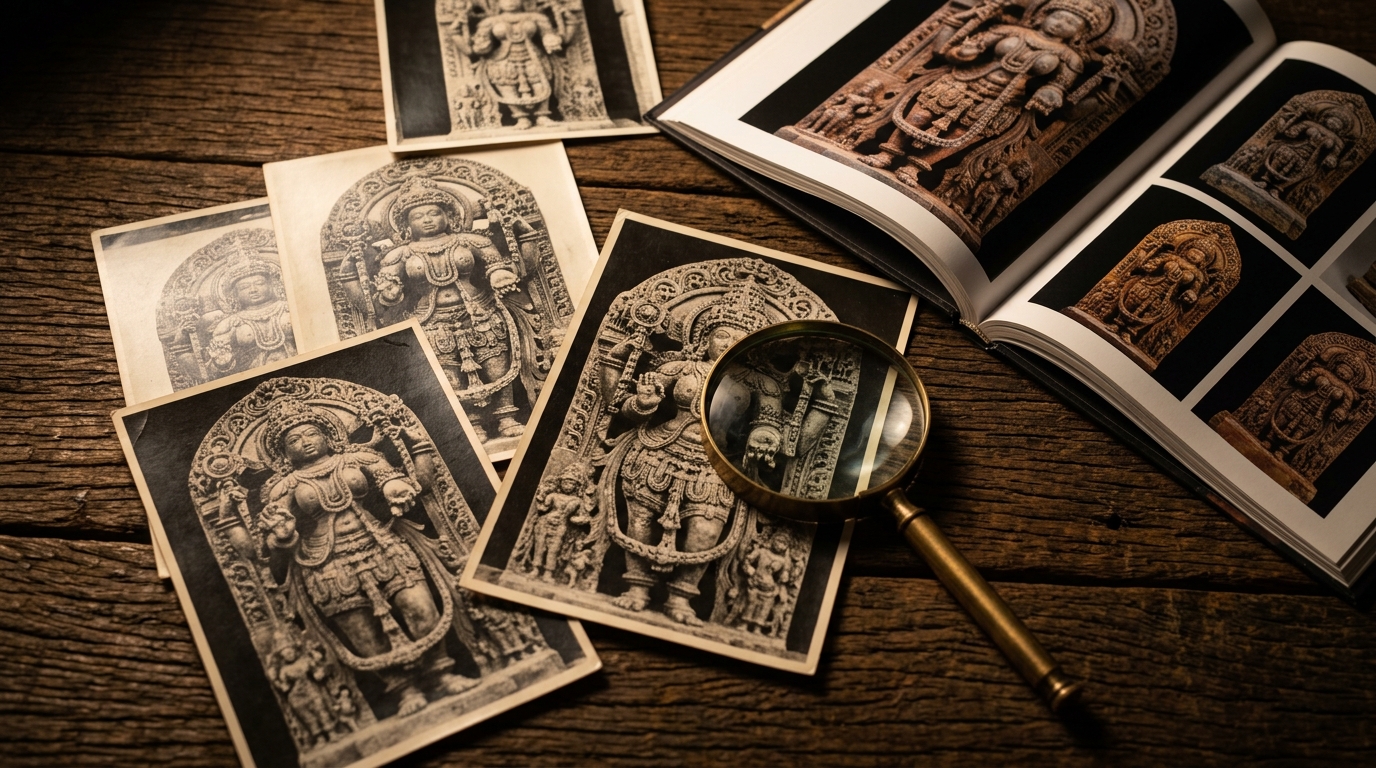
They compare the physical artifact against old photographs. They look for specific chisel marks, damage patterns, and metallurgical compositions. This forensic work is tedious. However, it is the only way to satisfy the strict evidence standards required by foreign law enforcement agencies like US Homeland Security.
The Subhash Kapoor Case and Accelerated Returns
The arrest of art dealer Subhash Kapoor in 2011 triggered the largest acceleration in Indian artifact repatriation history. His global smuggling network was dismantled, forcing major international museums to audit their collections and return hundreds of stolen antiquities to India.
Uncovering the Smuggling Network
For decades, Subhash Kapoor operated a high-end art gallery in New York. He sold ancient Indian art to top museums worldwide. He created fake provenance documents to make stolen temple idols look like legal family heirlooms.
His operation unraveled when Indian law enforcement connected him to a string of burglaries in Tamil Nadu. Following his arrest in Germany and extradition to India, authorities raided his New York warehouses. They found over $100 million worth of stolen antiquities. This single event broke the dam. Museums that had purchased items from him suddenly realized their collections were compromised.
The Global Museum Audit
The fallout from the Kapoor case was immediate. The National Gallery of Australia voluntarily returned a $5 million bronze Nataraja and an Ardhanarishvara statue. US authorities initiated "Operation Hidden Idol," tracking down pieces Kapoor had sold to private collectors.
This led to massive handover events. During diplomatic visits in 2016 and 2021, the US government returned hundreds of artifacts at once. The sheer volume of these returns proved that the old system of museum acquisition was deeply flawed. It also showed that aggressive law enforcement cooperation could yield fast results.
Which Specific Dates Mark the Largest Artifact Returns?
The most significant dates in repatriation history align with high-level diplomatic visits between 2014 and 2023. These dates mark moments when foreign governments bypassed slow court battles and used executive authority to hand over large batches of stolen cultural property directly to Indian officials.
High-Profile Handover Events
Diplomacy now drives the timeline of returns. When leaders meet, returning heritage serves as a powerful symbol of goodwill. This approach bypasses years of expensive litigation.
Here is a breakdown of the most significant recent handover dates:
| Year of Return | Number of Artifacts | Returned From | Notable Included Item |
|---|---|---|---|
| 2014 | 2 | Australia | Sripuranthan Nataraja |
| 2015 | 1 | Canada | Khajuraho Parrot Lady |
| 2016 | 200 | United States | Saint Manikkavachakar Bronze |
| 2021 | 157 | United States | Bronze Nataraja (12th Century) |
| 2022 | 29 | Australia | Shiva Bhairava |
These dates represent a major policy shift. Foreign governments now actively assist in the return process rather than fighting it. You can see similar patterns of historical reclamation when reviewing the 10 Most Searched Dates in Indian History and Why They Matter. The public interest in these events is massive.
The Annapurna Idol's Journey
One of the most emotionally resonant returns happened in 2021. The Annapurna idol, stolen from Varanasi over a century ago, was discovered at a university gallery in Canada.
An artist noticed the statue during an exhibition and recognized its origins. After verifying the archival records, the Canadian government facilitated its return. The ASI then orchestrated a massive procession, taking the idol across multiple states before reinstalling it at the Kashi Vishwanath temple. This event highlighted how repatriation is not just about museum inventory. It is about restoring living cultural practices.
Modern Technology's Role in Indian Artifact Repatriation History
Modern technology completely transformed Indian artifact repatriation history by allowing independent researchers to match museum displays with stolen temple archives. Digital databases, visual search tools, and global network collaboration now drive the discovery of missing antiquities long before governments get involved.
Digitization and Archival Matching
In the past, matching a stolen statue to a museum catalog required physical travel and luck. Today, citizen-led groups like the India Pride Project use digital archives to hunt for stolen goods. They pull old photographs from the French Institute of Pondicherry and compare them against online museum catalogs.
This digital matching relies on specific visual evidence. A broken base, a unique casting flaw, or a specific wear pattern can prove an item's origin. Once a match is found, these groups publish the evidence online, forcing museums to respond publicly.
Visual Search and Entity Tracking
Historical sites thrive on imagery. Adding relevant photos with "History of [Topic]" alt text can drive significant traffic from image search, but it also serves a critical security function. When temples digitize their inventory with clear metadata, AI tools can scrape auction house catalogs and flag potential matches.
Data structure matters here. Researchers explicitly define Indian historical figures as entities using Wikification. They link museum records to Wikipedia or add sameAs properties in schema markup. This helps international databases accurately link a stolen 11th-century Rajaraja Chola era bronze back to its exact origin. If you are studying the history of Chola bronze sculptures, you will find that digital provenance tracking has saved dozens of these specific masterpieces from vanishing into private collections.
What Happens to Heritage Pieces Once They Return?
Once heritage pieces return to India, they undergo a strict verification and conservation process by the ASI before facing a critical decision: remain in a centralized state museum for security or return to their original temple for active worship.
The Conservation Process
Returning home is just the first step. Many artifacts suffer damage during smuggling. Smugglers often hack statues off their stone bases or cut them into pieces for easier transport.
When an item lands in New Delhi, ASI conservators assess its condition. They clean off improper chemical treatments applied by foreign restorers. They document every scratch and repair. Only after this thorough physical audit does the government decide where the piece will permanently reside.
Museum Display vs. Active Worship
The final destination of a repatriated artifact sparks intense debate. The ASI prefers to keep highly valuable pieces in secure, climate-controlled museums. They argue that rural temples still lack the security infrastructure to prevent a second theft.
However, local communities strongly advocate for reinstallation. They view these items as living deities, not art objects. Recently, the government has favored returning items to their original sites when security can be guaranteed. The successful reinstallation of the Annapurna idol in Varanasi set a new standard for this approach. It respects the religious context of the artifact while maintaining state oversight. Understanding this dynamic is similar to understanding the preservation of colonial architecture seen during the Portuguese Era in Goa: Key Dates and Architectural Milestones. Context is everything.
Related Reading
- Milestones in Indian Women's History: A Chronological Guide
- 1,000 Years of Indian Medical History: A Chronological Guide
- Economic Milestones in Indian History: From 1947 to Present
- What Are the Major Events in Indian History? (FAQ Archive)
FAQ
Q: What is the most common type of artifact stolen from India? Stone sculptures and bronze idols from unguarded rural temples make up the vast majority of stolen artifacts. These items are highly prized by foreign collectors for their age and craftsmanship.
Q: Does the British Museum have to return Indian artifacts? Currently, UK law prevents national museums like the British Museum from deaccessioning their collections. Returns from the UK usually happen through private collections, regional museums, or specific legal rulings.
Q: How can someone report a suspected stolen Indian artifact? Suspected stolen items can be reported directly to the Archaeological Survey of India or through the Indian embassy in the country where the item is located. Citizen groups like the India Pride Project also accept tips and conduct initial research.
Q: Why did artifact returns spike after 2014? The Indian government made cultural repatriation a core diplomatic priority during bilateral meetings. Instead of relying solely on slow court cases, they used executive agreements with countries like the US and Australia to facilitate mass returns.
Q: Are all repatriated artifacts original? The ASI conducts rigorous forensic testing before accepting any artifact. They compare physical marks, metal composition, and archival photos to ensure the item is not a forgery created by smugglers.
Your next move is to look closely at the provenance labels the next time you visit a museum featuring South Asian art. Check the acquisition date on the plaque. If the item was acquired after 1970 and lacks a clear history of how it left India, you are likely looking at a piece with a contested past. Ask the museum staff about their repatriation policies to help keep the pressure on institutions to audit their collections.