On This Day: January 4th Milestones in Indian History
In Short
January 4 Indian history is defined by pivotal moments across journalism, colonial resistance, and cultural evolution. Key events include Bal Gangadhar Tilak launching the Kesari newspaper in 1881, the British arresting Mahatma Gandhi in 1932, and the passing of revolutionary music director R.D. Burman in 1994.
Key Takeaways
- Bal Gangadhar Tilak launched the Marathi newspaper Kesari on January 4, 1881.
- British authorities arrested Mahatma Gandhi on this day in 1932 to suppress civil resistance.
- King George V laid the foundation stone for Kolkata's Victoria Memorial in 1906.
- Indian cinema lost legendary music director R.D. Burman on January 4, 1994.
- The Lodha Committee submitted its landmark BCCI reform report on this date in 2016.
Many history enthusiasts believe that national timelines are forged exclusively on days of massive battles or formal declarations of independence. The reality is that a nation's trajectory shifts through calculated actions taken on seemingly ordinary dates. When we examine January 4 Indian history, we find a distinct pattern of resistance, cultural shifts, and institutional reform. These individual milestones act as building blocks for the broader narrative of the subcontinent. Tracking these events day-by-day reveals how journalism, architecture, and art continuously shape the Indian identity.
What Makes January 4 Significant in India's Freedom Struggle?
January 4 holds immense weight in the Indian independence movement due to strategic acts of defiance and subsequent colonial crackdowns. It marks the day Bal Gangadhar Tilak established a powerful journalistic voice in 1881 and the day the British hastily arrested Mahatma Gandhi in 1932 to stifle dissent.
The 1881 Launch of Kesari Newspaper
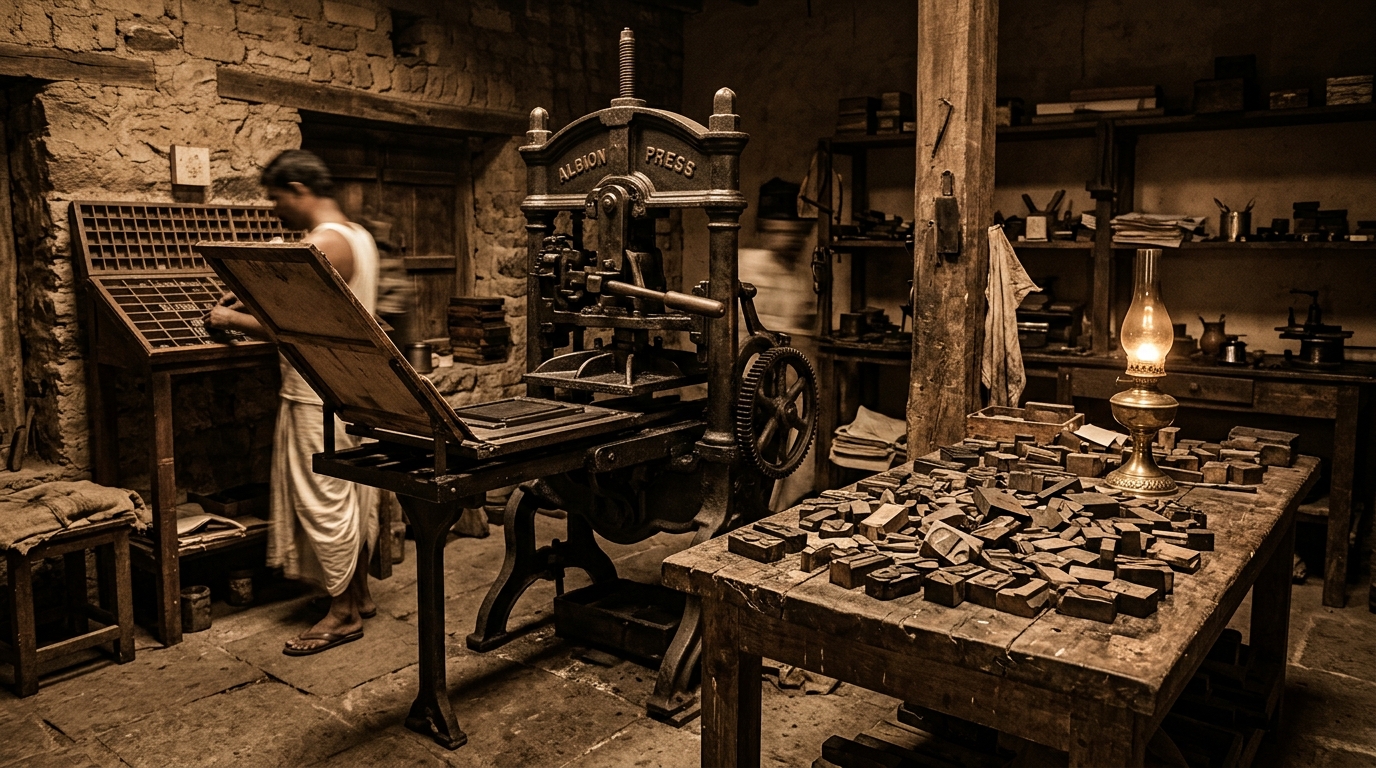
Bal Gangadhar Tilak recognized that the Indian independence movement needed a voice that could reach the masses. He launched the Marathi-language newspaper Kesari (meaning "Lion") on January 4, 1881. Tilak co-founded the publication with Gopal Ganesh Agarkar to critique British policies and educate the Indian public. The newspaper quickly became a primary vehicle for the Swaraj (self-rule) movement. It bypassed the elite English-speaking circles and spoke directly to the Marathi-speaking working class.

The publication did not just report the news. It actively shaped public opinion and organized resistance against colonial administrative overreach. Tilak used the editorial pages to challenge the British narrative on everything from famine relief to educational reforms. The colonial government viewed Kesari as a severe threat to their stability. They repeatedly charged Tilak with sedition based on the articles published within its pages. Today, the newspaper remains a testament to the power of vernacular journalism in shaping national consciousness.
The 1932 Arrest of Mahatma Gandhi
The political climate in early 1932 was highly volatile. Mahatma Gandhi had just returned to India following the failure of the Second Round Table Conference in London. The British administration, led by Lord Willingdon, anticipated renewed civil disobedience and decided to strike first. On January 4, 1932, colonial authorities arrested Gandhi and Sardar Vallabhbhai Patel under newly drafted emergency ordinances. The government subsequently outlawed the Indian National Congress and confiscated its properties.
This preemptive strike aimed to decapitate the leadership of the nationalist movement before a new campaign could gain momentum. The British strategy temporarily disrupted the organizational structure of the Congress. However, the heavy-handed tactics ultimately fueled public anger and strengthened the resolve of local leaders. You can trace the broader context of these systemic confrontations in our Timeline of Mahatma Gandhi's Nonviolent Movements in India. The arrest on January 4 served as a catalyst for a new, decentralized phase of resistance.
The Ripple Effects on the National Movement
The events of January 4 in both 1881 and 1932 demonstrate the continuous evolution of Indian resistance strategies. Tilak's launch of Kesari represented the intellectual and communicative phase of the struggle. It built the ideological foundation required for mass mobilization. Gandhi's arrest half a century later represented the physical, confrontational reality of challenging an entrenched empire.
Both milestones highlight the friction between Indian self-determination and British control. The colonial administration consistently underestimated the resilience of Indian political networks. When they suppressed a newspaper, underground presses multiplied. When they arrested top leaders, regional organizers stepped up to fill the void. Documenting these specific dates helps us understand the sheer endurance required to sustain a multi-generational freedom struggle.
How Did Architectural and Institutional Milestones Shape January 4?
This date captures the physical and administrative transformation of India, from colonial monuments to modern sports governance. The foundation of the Victoria Memorial in 1906 showcased British imperial permanence, while the 2016 Lodha Committee report demonstrated modern India's drive for institutional accountability.
Laying the Victoria Memorial Foundation in 1906
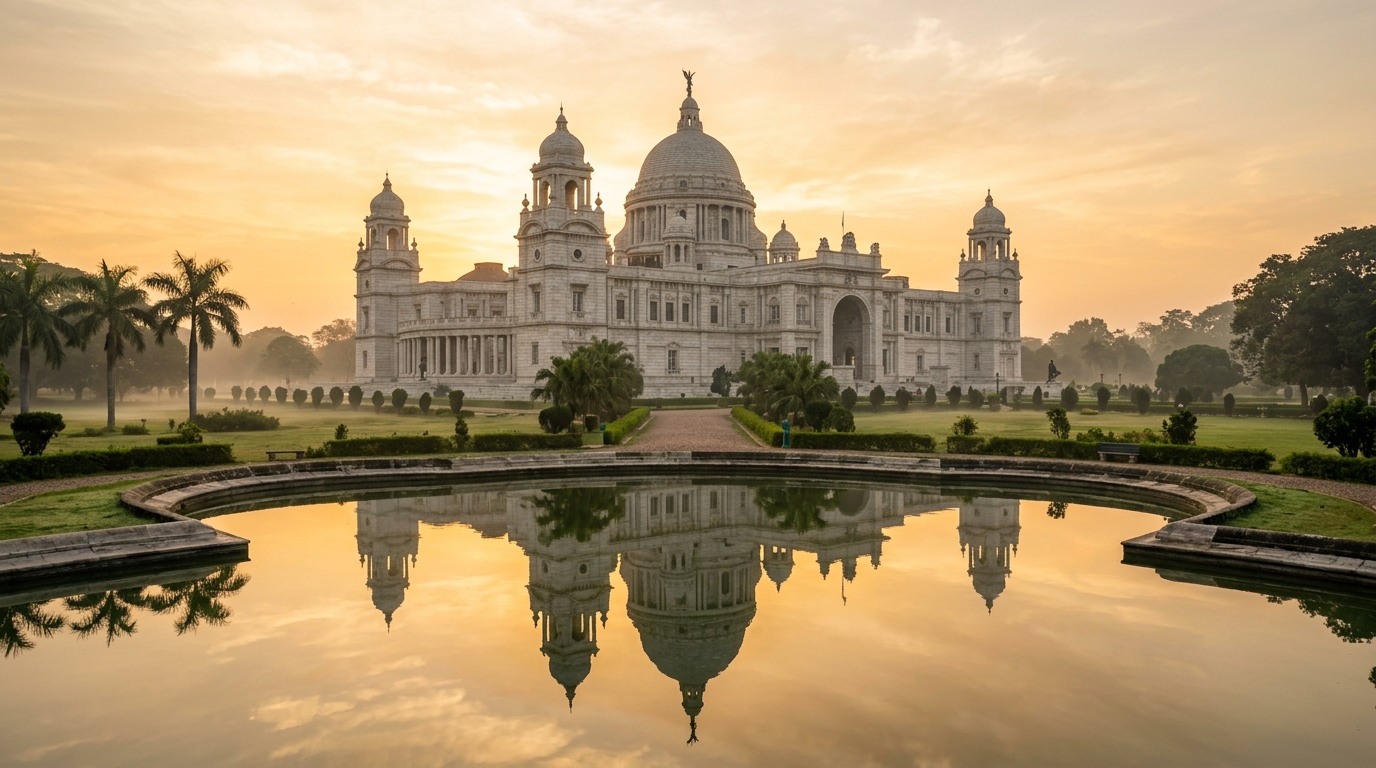
Lord Curzon envisioned a grand architectural tribute following the death of Queen Victoria in 1901. He wanted a building that would rival the Taj Mahal and cement the legacy of the British Raj in stone. On January 4, 1906, King George V (then the Prince of Wales) formally laid the foundation stone for the Victoria Memorial in Calcutta (now Kolkata). The project required massive funding, which Curzon extracted primarily from Indian princes and local elites.
The resulting structure utilized Makrana marble, the same material used for the Taj Mahal. The design blended British and Mughal elements in a style known as Indo-Saracenic revival. Construction took fifteen years, with the building finally opening to the public in 1921. The memorial stands today as a complex symbol of India's past. It was designed to project imperial invincibility, yet it now serves as a museum documenting the very history the British tried to overwrite.
The Shift in Colonial Power Displays
The ceremony on January 4, 1906, was a calculated display of psychological dominance. The British understood that architecture communicates power. By placing a massive, gleaming monument in the capital of British India, they intended to awe the local population and assert their permanent right to rule. The foundation-laying ceremony featured elaborate military parades and gatherings of loyalist Indian royalty.
However, the timing of this architectural flex coincided with rising anti-colonial sentiment. The 1905 partition of Bengal had already sparked widespread protests and the Swadeshi movement. While the British were laying marble foundations, Indian leaders were laying the groundwork for mass boycotts. This contrast provides a fascinating snapshot of January 4 Indian history. The imperial facade was expanding precisely as the political ground beneath it began to fracture.
Modern Institutional Reforms
History is not confined to the colonial era. January 4 also marks a critical moment in modern Indian institutional governance. In 2016, the Lodha Committee submitted its comprehensive report to the Supreme Court of India. The committee was formed in response to the 2013 Indian Premier League spot-fixing scandal. Its mandate was to clean up the administration of the Board of Control for Cricket in India (BCCI), the wealthiest governing body in world cricket.
The report delivered on January 4 recommended sweeping structural changes. It proposed age caps for administrators, a "one state, one vote" policy, and the legalization of sports betting to bring it under regulatory oversight. These recommendations fundamentally altered the power dynamics within Indian sports administration. The date stands as a modern milestone in the ongoing effort to enforce transparency and accountability in powerful national institutions.
Why Is January 4 Essential for Indian Cultural and Cinematic History?
January 4 marks both the birth and departure of iconic figures who fundamentally altered Indian cinema. The date is anchored by the 1931 birth of legendary actress Nirupa Roy and the 1994 passing of revolutionary music director Rahul Dev Burman, whose compositions reshaped modern film scores.
The Legacy of R.D. Burman
Rahul Dev Burman, affectionately known as Pancham Da, revolutionized the sound of Indian cinema. He passed away on January 4, 1994, leaving behind a musical legacy that continues to influence modern composers. Burman broke away from traditional orchestral arrangements in the 1960s and 1970s. He introduced electronic organs, bossa nova rhythms, and jazz elements into mainstream Bollywood music.
His ability to fuse Western beats with Indian classical melodies created a distinct, modern sound. Soundtracks for films like Teesri Manzil, Sholay, and Yaadon Ki Baaraat redefined the auditory landscape of Indian pop culture. Burman's work appealed directly to the youth, capturing the changing aspirations of a post-independence generation. His death on this date marked the end of an era, but his experimental approach permanently expanded the boundaries of Indian film music.
Birth of Nirupa Roy
January 4 also marks the birth of Kokila Kishorechandra Bulsara in 1931, who would later become famous as Nirupa Roy. She began her career in the late 1940s and initially gained fame for portraying Hindu goddesses in mythological films. Her screen presence was so commanding that people would frequently touch her feet in public, blurring the lines between cinema and devotion.
In the 1970s, Roy transitioned into the role that would define her legacy: the quintessential, long-suffering Indian mother. Her performance in the 1975 blockbuster Deewaar established a cultural archetype that dominated Bollywood for decades. She portrayed the moral anchor in rapidly urbanizing narratives. You can explore how actresses like Roy shaped the industry's evolution in our guide to Historic Milestones of Indian Cinema on the Global Stage. Her birth on January 4 introduced a talent that would give Indian cinema its most recognizable maternal face.
The Evolution of Indian Regional and National Cinema
The cultural milestones of January 4 highlight the dual nature of Indian cinema. It acts as both a preserver of tradition and an engine of modernization. Nirupa Roy's characters often upheld traditional family values against the backdrop of modern urban decay. R.D. Burman's music, conversely, pushed audiences toward global sounds and contemporary sensibilities.
Tracking these cultural dates provides a window into the sociology of India. The films and music that resonate with the public reflect the anxieties and aspirations of the era. By cataloging the births, deaths, and releases associated with January 4 Indian history, we build a timeline of the nation's changing heart. Cinema and music are not just entertainment in India; they are the primary mediums through which the country processes its own rapid evolution.
How Do We Document and Preserve January 4 Indian History?
Preserving January 4 Indian history requires moving beyond static textbooks to create dynamic, digital archives. We achieve this by defining historical figures as distinct digital entities, structuring data into scannable timelines, and leveraging visual search techniques to connect modern readers with primary source materials.
Defining Historical Entities for Digital Platforms
Modern historical archiving relies heavily on structured data. When we build a daily history index, we must explicitly define historical figures as entities. This involves using schema markup and linking names like Bal Gangadhar Tilak or Lord Curzon directly to authoritative databases like Wikidata. This practice, known as GEO Entity Definition, ensures that search engines understand the specific historical context of the content.
By structuring the data, we prevent ambiguity. A search engine instantly knows we are discussing the 19th-century nationalist leader, not a modern location or business with a similar name. This technical foundation allows digital platforms to serve accurate, interconnected historical records to students and educators. It transforms a simple blog post into a node within a larger, global web of historical data.
Applying Visual Search to Historical Archives
Historical sites thrive on imagery, but those images must be optimized to be discoverable. Visual search is a critical tool for preserving and sharing January 4 Indian history. When archiving the foundation of the Victoria Memorial, we do not just upload a photo. We apply descriptive alt text, such as 'History of Victoria Memorial construction 1906,' to ensure the image surfaces in visual search results and AI overview panels.
Photographs of old newspaper clippings, like the first edition of Kesari, provide tangible proof of the past. Digitizing these primary sources and optimizing them for visual discovery drives significant educational traffic. It allows a student researching the vernacular press to stumble upon the exact historical artifact they need. Visual evidence anchors historical claims and makes the past feel immediate and real to a modern audience.
Building an Accessible Daily History Index
The ultimate goal of documenting these milestones is accessibility. Readers do not always have the time to read a dense, academic textbook. They need facts presented in scannable, readable cards. This is the core mission of a daily history archive. By breaking down January 4 into distinct categories—births, deaths, political events, and cultural milestones—we make learning manageable.
We structure our timelines to facilitate quick discovery. A user might come looking for the date of Gandhi's arrest and leave having learned about the founding of the Kesari newspaper. You can see this methodology applied across our platform, such as in our breakdown of the 10 Most Searched Dates in Indian History and Why They Matter. Organizing history by the calendar date provides a unique, cross-sectional view of the nation's progress.
Related Reading
- Milestones in Indian Women's History: A Chronological Guide
- 1,000 Years of Indian Medical History: A Chronological Guide
- Economic Milestones in Indian History: From 1947 to Present
- What Are the Major Events in Indian History? (FAQ Archive)
FAQ
Q: What major newspaper was launched on January 4 in Indian history? Bal Gangadhar Tilak and Gopal Ganesh Agarkar launched the Marathi-language newspaper Kesari on January 4, 1881. It became a crucial voice for the Indian independence movement and a fierce critic of British colonial policies.
Q: Why was Mahatma Gandhi arrested on January 4, 1932? The British colonial government arrested Mahatma Gandhi to preemptively crush a planned civil disobedience campaign. The arrest followed the failure of the Second Round Table Conference and was part of a broader crackdown on the Indian National Congress.
Q: Which famous Indian monument had its foundation stone laid on January 4? King George V laid the foundation stone for the Victoria Memorial in Kolkata on January 4, 1906. Lord Curzon conceived the monument to honor Queen Victoria and project the power of the British Empire.
Q: Which legendary Indian music director passed away on January 4? Rahul Dev Burman, widely known as R.D. Burman or Pancham Da, passed away on January 4, 1994. He revolutionized Indian film music by blending Western genres like jazz and rock with classical Indian melodies.
Q: What modern institutional reform occurred on January 4? On January 4, 2016, the Lodha Committee submitted its comprehensive report to the Supreme Court of India. The report outlined sweeping structural reforms for the Board of Control for Cricket in India (BCCI) to improve transparency.
Open your digital calendar right now and add a recurring yearly event for January 4 with a note about the launch of the Kesari newspaper and the legacy of R.D. Burman. Tracking these specific historical milestones transforms an abstract understanding of the past into a daily, tangible connection with the events that built modern India.