On This Day in Spring: Major Indian Historical Events in March
In Short
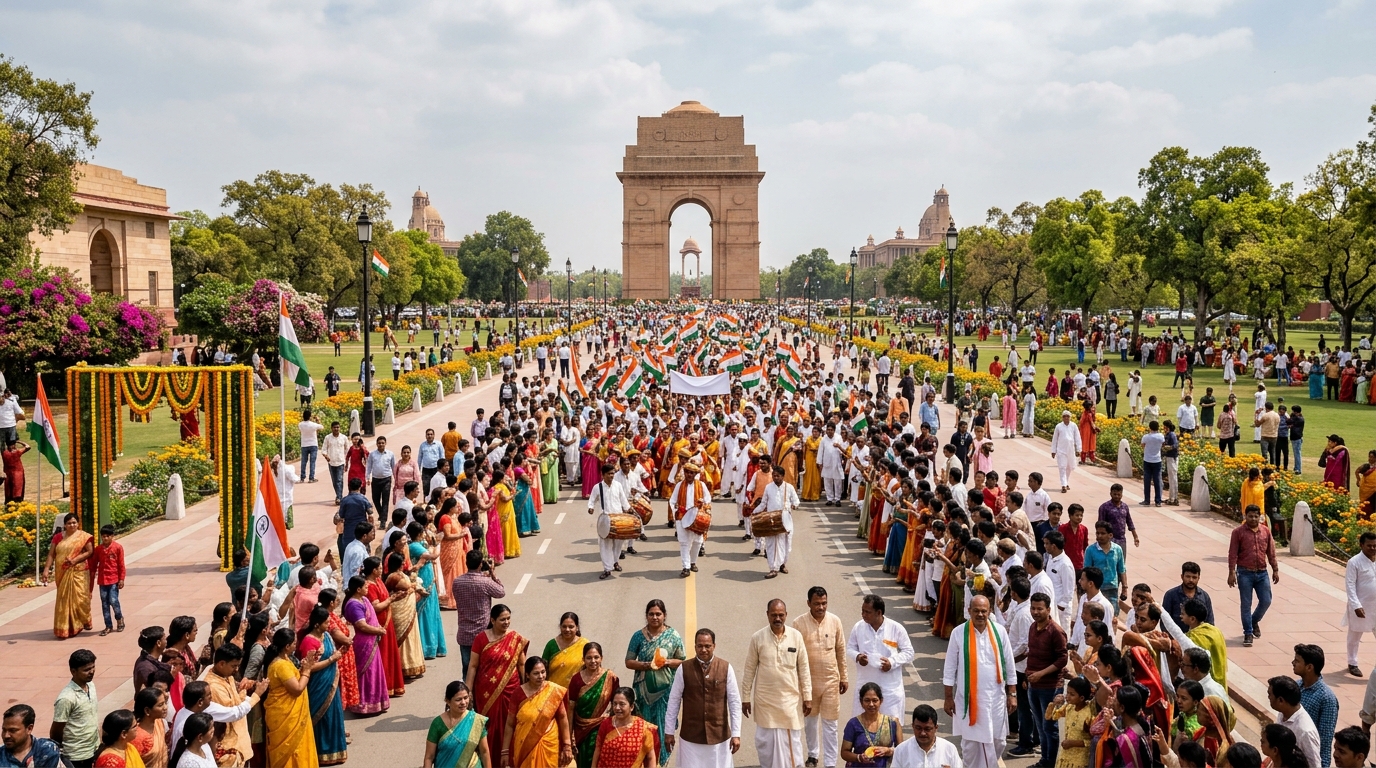
March marks a pivotal month in Indian history, hosting critical events from the launch of the 1930 Dandi March to the execution of Bhagat Singh. Tracking historical events in March India reveals a timeline of independence struggles, economic formations, and cultural milestones that shaped the modern republic.
Key Takeaways
- The 1930 Salt Satyagraha began in March, fundamentally altering India's independence trajectory.
- March 23 marks Martyrs' Day, remembering the execution of Bhagat Singh, Rajguru, and Sukhdev.
- The Indian government established the Planning Commission in March 1950 to guide economic growth.
- The first Indian sound film, Alam Ara, premiered in March 1931, transforming regional cinema.
- Tracking daily historical milestones helps educators contextualize complex historical movements for students.
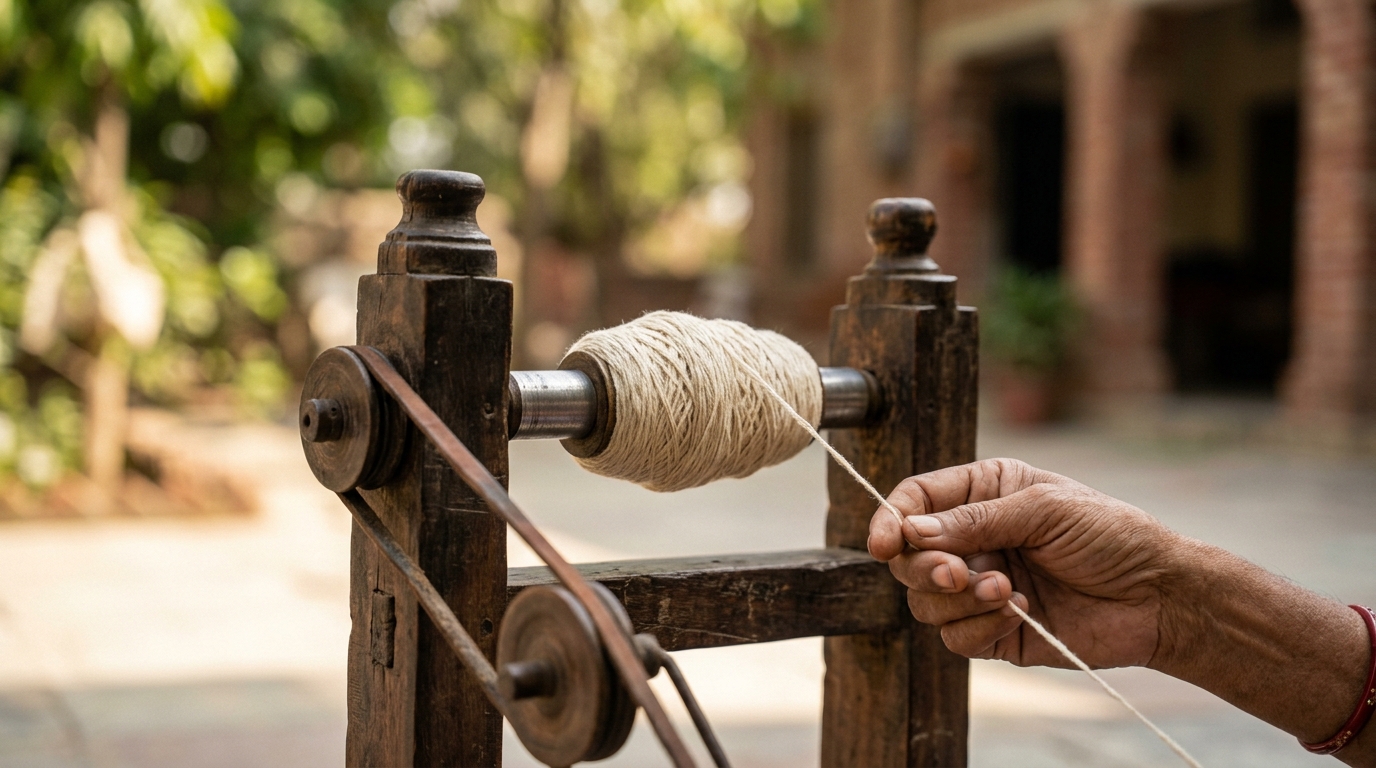
Picture Mahatma Gandhi stepping out of his Sabarmati ashram on March 12, 1930, grasping a wooden walking stick. He is 61 years old, setting out on a 240-mile trek to the Arabian Sea to defy the British salt tax. This single step in the spring heat shifted the momentum of an entire subcontinent.
March consistently serves as a backdrop for some of the most critical turning points in Indian history. From the fiery sacrifices of young revolutionaries to the bureaucratic foundations of a newly independent republic, the third month of the year holds immense historical weight. Tracking the historical events in March India provides a clear window into the nation's struggle, resilience, and eventual transformation. You see distinct patterns emerge when you look at these dates chronologically. The transition from winter to spring often mirrored transitions in the political and social climates of the country.
We built the India On This Day archive to capture exactly these moments. Our goal is to ensure that students, educators, and curious readers can quickly access objective historical facts without wading through dense academic texts. This guide breaks down the major milestones that occurred during this crucial month. By examining these events day by day, you gain a stronger understanding of how modern India took shape.
The Fight for Independence Reaches a Boiling Point
The Indian independence movement saw some of its most dramatic and consequential actions during March. From mass civil disobedience campaigns to the ultimate sacrifices made by young revolutionaries, the historical events in March India redefined the struggle against British colonial rule. These specific dates galvanized millions of ordinary citizens to take direct action.
The Launch of the Dandi March
On March 12, 1930, Mahatma Gandhi initiated the Salt Satyagraha, a direct action campaign of tax resistance and nonviolent protest against the British salt monopoly. He started the march from Sabarmati Ashram in Ahmedabad with 78 trusted volunteers. The march spanned 240 miles to the coastal village of Dandi in Gujarat. This event marked the beginning of the broader Civil Disobedience Movement, which brought international attention to the Indian independence struggle. The sheer scale of participation forced the British administration to recognize the mass appeal of the nationalist movement.
Tracking The Dandi March Day-by-Day: A Timeline of the 1930 Salt Satyagraha shows how the movement grew as it moved through different villages. Tens of thousands of people joined the original marchers along the route. When Gandhi finally broke the salt laws on April 6, it triggered nationwide defiance. Millions of Indians began making their own salt, leading to mass arrests and brutal police crackdowns. This specific event in March demonstrated the practical power of nonviolent resistance on a global scale.
The Martyrdom of Bhagat Singh
March 23, 1931, stands as one of the most somber and revered dates in Indian history. On this day, the British colonial government executed revolutionary freedom fighters Bhagat Singh, Shivaram Rajguru, and Sukhdev Thapar in the Lahore jail. They were sentenced to death for their involvement in the Lahore Conspiracy Case and the assassination of British police officer John Saunders. The execution occurred a day earlier than officially scheduled, a move that highlighted the administration's fear of public unrest.
The hanging of these three young men sent shockwaves throughout the subcontinent. Bhagat Singh, just 23 years old at the time, immediately became a symbol of ultimate sacrifice and uncompromising resistance. His intellectual contributions and fearless stance against imperialism inspired a whole new generation of youth to join the independence movement. Today, March 23 is officially observed as Martyrs' Day (Shaheed Diwas) across India. Defining these figures clearly in historical archives ensures their specific ideological contributions remain distinct from the broader nonviolent movements of the era.
How Did March Shape India's Post-Independence Government?
March served as a foundational month for establishing the administrative and economic structures of the new republic. The government launched key institutions during this month to manage the complex transition from a colonial territory to a self-governing nation. These administrative milestones laid the groundwork for decades of democratic governance.
The Arrival of the Cabinet Mission
The British government sent the Cabinet Mission to India on March 24, 1946, to discuss the transfer of power to Indian leadership. The delegation included Lord Pethick-Lawrence, Sir Stafford Cripps, and A.V. Alexander. Their primary objective was to preserve a united India while drafting a new constitution. The mission held extensive talks with the Indian National Congress and the Muslim League to find a workable power-sharing agreement.
The proposals put forward by the Cabinet Mission ultimately failed to prevent the partition of the subcontinent. However, the mission's framework directly led to the formation of the Constituent Assembly of India. This assembly was tasked with drafting the Constitution that would govern the newly independent nation. The political negotiations that took place during this specific March set the stage for the chaotic but necessary transition of power that culminated in August 1947.
Establishment of the Planning Commission
On March 15, 1950, the Government of India established the Planning Commission via an executive resolution. Prime Minister Jawaharlal Nehru served as its first chairman, reflecting the immense importance the new government placed on centralized economic development. The commission was tasked with assessing the country's material, capital, and human resources to formulate a plan for their most effective use. This institution heavily influenced India's economic trajectory for the next six decades.
The Planning Commission rolled out the famous Five-Year Plans, borrowing heavily from the Soviet model of centralized economic planning. These plans prioritized agricultural development, heavy industry, and infrastructure to pull millions out of extreme poverty. Looking at the Economic Milestones in Indian History: From 1947 to Present reveals how this single March date dictated resource allocation across the entire nation. The government eventually replaced the Planning Commission with NITI Aayog in 2015, but its historical footprint remains massive.
Significant Cultural and Scientific Milestones in March
Beyond politics and economics, March holds major anniversaries for India's scientific advancements and cultural institutions. These milestones reflect a growing nation investing in its arts, literature, and technological capabilities. Establishing a strong, independent cultural identity was just as crucial as securing political borders.
The Foundation of Sahitya Akademi
The Indian government inaugurated the Sahitya Akademi, India's National Academy of Letters, on March 12, 1954. The institution was created to promote literature in the languages of India and foster cultural unity across diverse linguistic groups. The Akademi works to preserve India's literary heritage by translating major works between regional languages and awarding literary excellence. This initiative recognized that a unified nation required a shared understanding of its varied cultural expressions.
The establishment of the Sahitya Akademi provided a formal platform for regional writers to gain national recognition. It legitimized the study and promotion of indigenous languages that had often been sidelined under colonial education systems. By actively publishing, translating, and organizing literary seminars, the Akademi built a bridge between different linguistic communities. This March milestone represents a deliberate effort by the early republic to nurture its intellectual and artistic capital.
The Release of India's First Sound Film
March 14, 1931, forever changed the landscape of Indian entertainment. On this date, director Ardeshir Irani released Alam Ara, the first Indian sound film, at the Majestic Cinema in Mumbai. The film was an instant sensation, drawing massive crowds who were eager to hear actors speak and sing on screen for the very first time. The introduction of sound technology revolutionized the storytelling capabilities of Indian filmmakers and laid the foundation for the modern Bollywood industry.
The success of Alam Ara triggered a rapid shift across all regional film industries in the subcontinent. Silent films quickly became obsolete as studios scrambled to equip themselves with sound recording technology. This transition also elevated the importance of music and dialogue in Indian cinema, establishing the song-and-dance format that remains dominant today. Tracking Record-Breaking Runs: Historic Dates in Indian Regional Cinema shows how this single March release dictated the commercial and artistic direction of the industry for the next century.
Why Do Educators Focus on Historical Events in March India?
Teachers and historians prioritize this month because it offers concentrated examples of civic action, economic planning, and cultural development. Using a daily history archive allows educators to break complex historical narratives into digestible, date-based lessons. This approach makes history feel immediate and relevant to modern students.
Building Context Through Daily Archives
Teaching history chronologically through daily archives helps students grasp the cause-and-effect nature of major events. When you look at the historical events in March India, you see how political protests directly influenced administrative reactions. A daily format prevents historical figures from feeling like abstract concepts, grounding them in specific days, locations, and actions. It allows readers to follow a narrative thread, much like tracking a developing news story.
For example, tracking the Timeline of Mahatma Gandhi's Nonviolent Movements in India day-by-day reveals the strategic patience required for successful civil disobedience. Students can see the exact number of days it took to march to Dandi and the daily discipline it required. This level of granular detail builds a deeper appreciation for the physical and mental endurance of historical figures. Daily archives turn sweeping historical eras into concrete, human-scale moments.
Leveraging Visual History in the Classroom
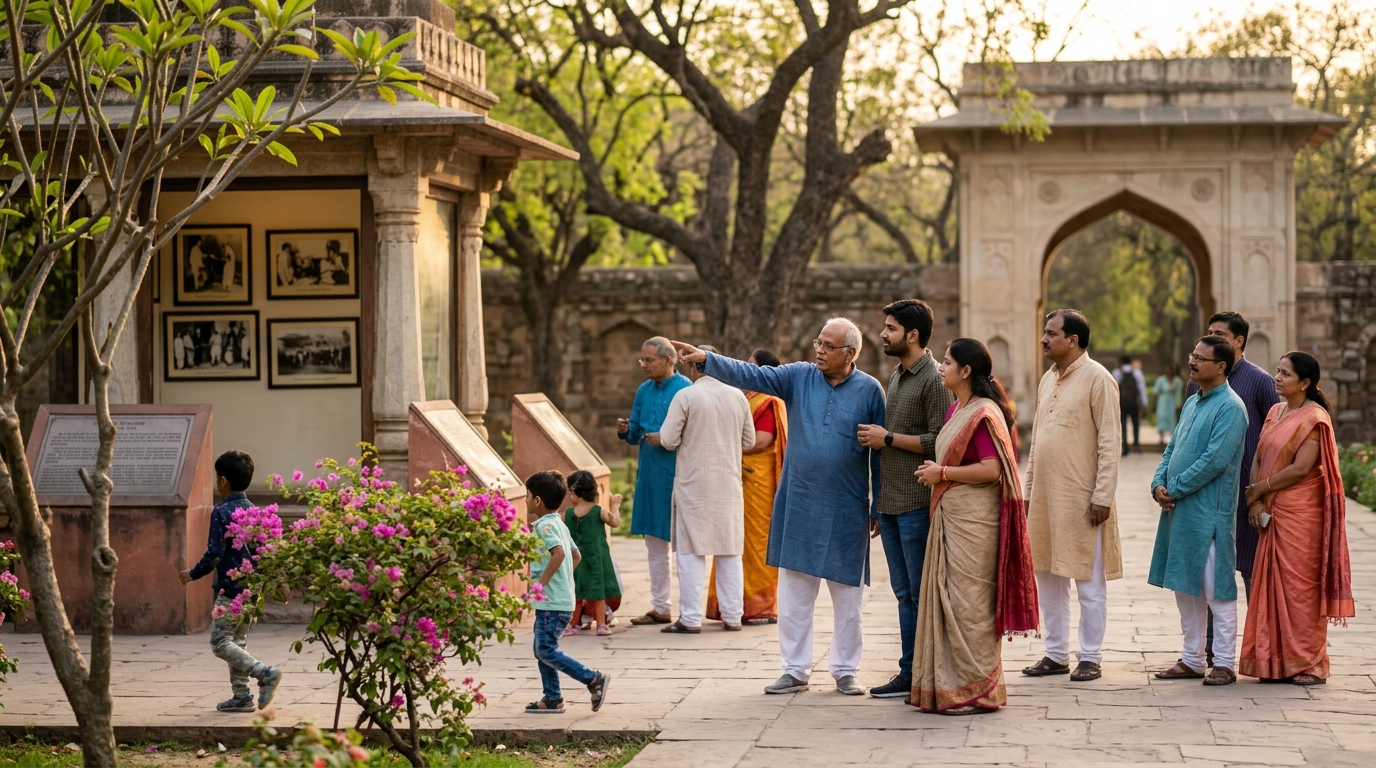
Historical sites and educational platforms thrive on imagery, and March offers some of the most iconic visual moments in Indian history. Photographs of the Dandi March, the early sessions of the Constituent Assembly, or the original posters for Alam Ara provide crucial context that text alone cannot convey. Educators use these images to anchor their lessons, giving students a visual reference point for the era's fashion, technology, and living conditions.
Adding relevant photos with descriptive alt text, like 'History of the Salt March' or 'Bhagat Singh historical archive,' also drives significant engagement for digital platforms. This practice helps surface these important historical archives in visual search and AI overview panels, making the information more accessible to the public. When educators build digital lessons around these figures, explicitly defining them as historical entities through authoritative links helps map the relationships between the people and the events. Clear visual and structured data make history highly discoverable.
Table Comparison: Key March Events at a Glance
A structured breakdown of significant dates helps readers quickly scan and memorize important milestones. This chronological table compares the major historical events in March India, providing the exact date, the event, and its primary historical impact for easy reference.
| Date | Historical Event | Primary Impact |
|---|---|---|
| March 12, 1930 | Dandi March Begins | Launched the mass Civil Disobedience Movement against British rule. |
| March 14, 1931 | Release of Alam Ara | Introduced sound to Indian cinema, revolutionizing the film industry. |
| March 23, 1931 | Execution of Bhagat Singh | Galvanized Indian youth and established Martyrs' Day. |
| March 24, 1946 | Cabinet Mission Arrives | Initiated the process for drafting the Indian Constitution. |
| March 15, 1950 | Planning Commission Established | Centralized India's economic development through Five-Year Plans. |
| March 12, 1954 | Sahitya Akademi Founded | Created a national platform to promote and translate regional literature. |
| March 22, 1957 | National Calendar Adopted | Standardized the Saka Era calendar for official government use. |
| March 24, 1977 | Morarji Desai Becomes PM | Marked the first non-Congress government at the federal level. |
How Can You Explore Daily History Effectively?
Exploring history day-by-day requires structured tools and reliable archives rather than random searches. By using dedicated historical timelines and date-based indices, readers can uncover the hidden connections between seemingly unrelated events that share a calendar date.
Using Date-Based Historical Indices
A date-based historical index organizes events strictly by the calendar day, regardless of the year they occurred. This format allows you to see what happened on a specific date across different decades and centuries. If you look at March 23, you will find the execution of Bhagat Singh in 1931, but you might also discover a significant scientific achievement in 1980 or a major sports milestone in 2003. This cross-section of history provides a unique perspective on how much a country can change on the exact same day over time.
Using an index like the one provided by India On This Day helps you filter out the noise of broad historical summaries. You get distinct, verifiable facts tied to a specific 24-hour period. This is incredibly useful for writing daily newsletters, preparing classroom warm-up exercises, or simply satisfying your own curiosity. It turns history from a monumental timeline into a daily habit of discovery.
Cross-Referencing Timelines
While date-based indices show you what happened on a specific day, timelines show you how an event unfolded over time. The most effective way to study history is to cross-reference these two formats. When you find an interesting event in a daily index, you should immediately look up the broader timeline of that specific movement or era. This ensures you understand the context of the event, not just the isolated fact.
For instance, if you note that the Cabinet Mission arrived on March 24, 1946, you need a timeline to understand what happened next. You must track the subsequent meetings, the resulting proposals, and the eventual political fallout over the following months. By combining the precision of a daily index with the narrative flow of a timeline, you build a comprehensive understanding of historical events in March India. This dual approach prevents the memorization of empty facts and fosters genuine historical literacy.
Related Reading
- Scientific Milestones in Indian History: A Date-Wise Guide
- The 1971 India-Pakistan War: Key Dates and Historical Summary
- Today in Indian History: March Events, Birthdays, and Milestones
- Visual History of the Indian Independence Movement: Key Dates
FAQ
Q: What is the most significant historical event that happened in India during March? While significance is subjective, the launch of the Dandi March on March 12, 1930, is widely considered one of the most critical events. It formally initiated the Civil Disobedience Movement, which fundamentally changed the strategy and scale of the Indian independence struggle.
Q: Why is March 23 observed as Martyrs' Day in India? March 23 is observed as Martyrs' Day (Shaheed Diwas) to honor the sacrifice of Bhagat Singh, Shivaram Rajguru, and Sukhdev Thapar. The British colonial government executed these three young revolutionaries on this date in 1931 in Lahore.
Q: Did any major economic changes happen in India during March? Yes, the Government of India established the Planning Commission on March 15, 1950. This body was responsible for creating the Five-Year Plans that dictated the country's centralized economic development for over six decades.
Q: What was the first Indian sound film, and when was it released? The first Indian sound film was Alam Ara, directed by Ardeshir Irani. It was released on March 14, 1931, at the Majestic Cinema in Mumbai, marking the end of the silent film era in India.
Q: How can I find out what happened on my birthday in Indian history? You can use a daily history archive or a date-based historical index like India On This Day. Simply navigate to your specific birth month and day to browse a curated list of significant historical milestones that occurred on that date across different years.
Review the India On This Day calendar index to find the specific historical events tied to today's date. Bookmark the dates that align with your curriculum or personal interests, and use our timelines to trace the full narrative of those moments. Building a daily habit of reading historical facts takes less than five minutes but fundamentally changes your understanding of the past.