1966 Tashkent Agreement Timeline
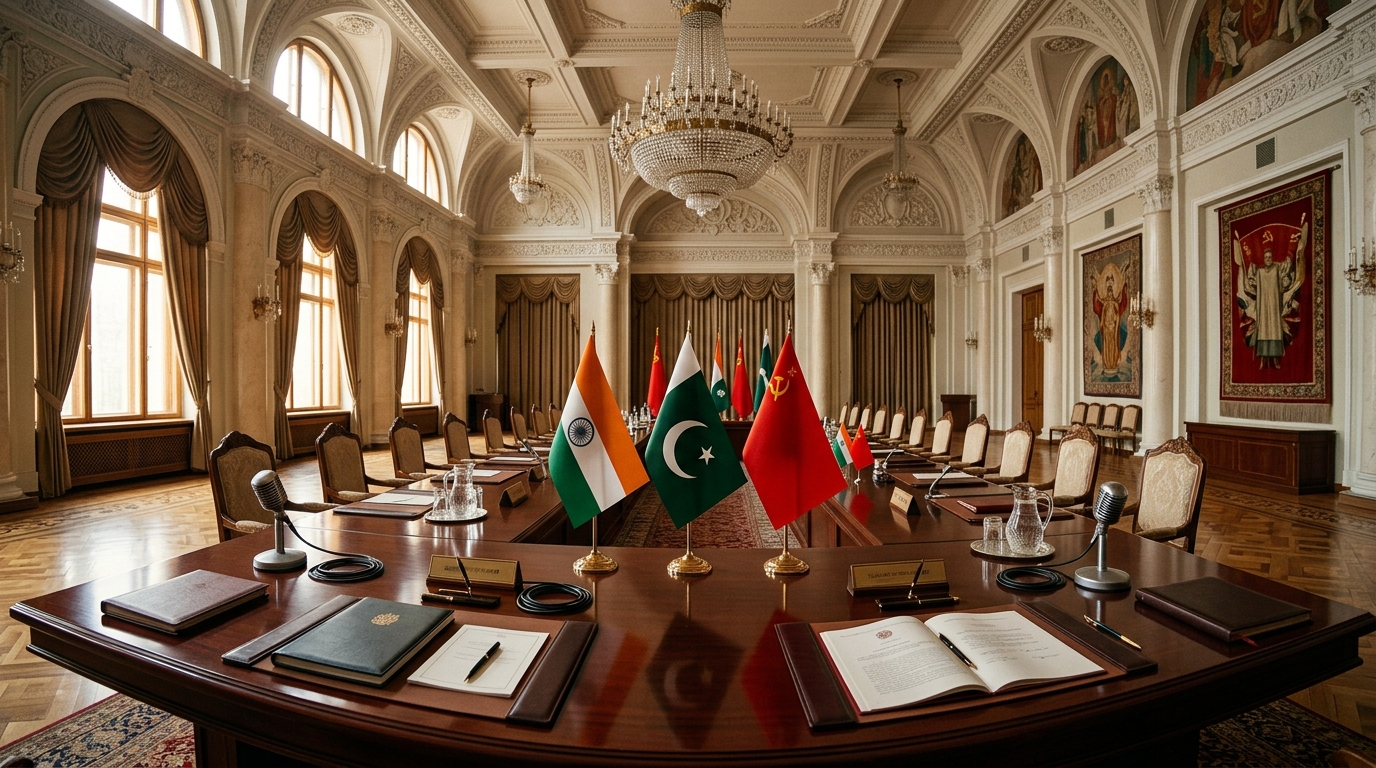
The Quick Read
The 1966 tashkent agreement timeline tracks the diplomatic resolution of the 17-day Indo-Pakistani War of 1965. Signed on January 10, 1966, this treaty forced both nations to pull troops back to pre-war borders. Soviet mediation successfully halted the fighting but failed to resolve the underlying Kashmir dispute.
Key Takeaways
- Soviet Premier Alexei Kosygin brokered the peace deal to halt mass casualties on both sides.
- Both nations agreed to withdraw all armed personnel to pre-August 1965 positions by February 25.
- The treaty sparked massive political backlash in Pakistan and fueled Zulfikar Ali Bhutto's rise.
- Prime Minister Lal Bahadur Shastri died in Tashkent mere hours after signing the final declaration.
Snow blanketed the streets of Tashkent in early January 1966 as Indian Prime Minister Lal Bahadur Shastri and Pakistani President Ayub Khan arrived in the Soviet Union. The two leaders faced immense pressure to end a military stalemate that had drained their economies. The 1965 Indo-Pak war had already cost roughly 3,000 Indian and 3,800 Pakistani lives [Wikipedia, 2026]. Tank graveyards littered the Punjab border. Both nations needed a way to step back from total war without projecting weakness to their citizens at home.
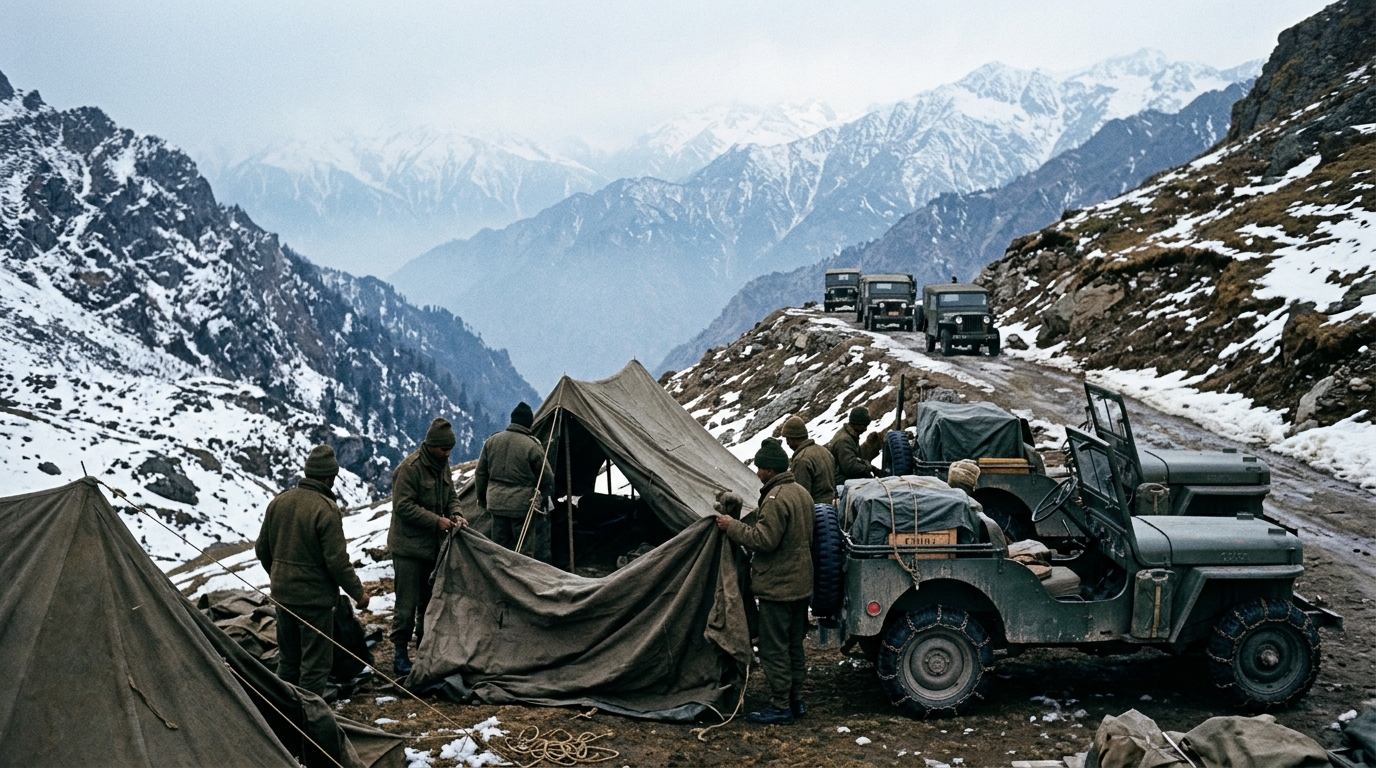
The tense negotiations that followed created the 1966 tashkent agreement timeline. This diplomatic sequence shifted Cold War dynamics in South Asia entirely. Soviet diplomats provided the neutral ground and political cover required to force a ceasefire between the two historical rivals. Modern foreign policy experts still study these talks to understand conflict resolution. Former Indian Foreign Secretary Shyam Saran notes this history proves resolving India-Pakistan hostilities requires a powerful intermediary to provide a political necessity [Hindustan Times, 2025]. The superpowers gave both leaders an optical victory while forcing them to step down.
What Triggered the 1966 Tashkent Agreement Timeline?
This section outlines the direct military events that forced India and Pakistan to the negotiating table. The timeline begins with covert operations in Kashmir and escalates into massive border battles. A military deadlock and international pressure ultimately pushed both sides to accept a United Nations ceasefire mandate.
Operation Gibraltar's Failure
Pakistan launched Operation Gibraltar in August 1965. Military planners sent thousands of covert operatives across the ceasefire line into Jammu and Kashmir. They intended to spark a local rebellion against Indian rule. The local population did not rise up to support the operatives as expected. Indian security forces detected the infiltrators quickly and launched counter-offensives to seal the mountain passes. This localized skirmish rapidly escalated into a full conventional war. Indian troops crossed the international border toward Lahore to relieve pressure on the Kashmir front.

The Battle of Asal Uttar
The conflict peaked in September 1965 during the Battle of Asal Uttar in the Khem Karan sector. Pakistani forces launched a major armored offensive into Punjab. Indian defenders lured the advancing tanks into a horseshoe-shaped trap surrounded by sugarcane fields. The resulting engagement destroyed or captured dozens of Pakistani Patton tanks. The broader war saw the destruction of 150 to 200 Indian tanks and 200 to 300 Pakistani tanks [Wikipedia, 2026]. Neither side could sustain this rate of equipment loss for long. The military reality on the ground became a grinding stalemate. The fields of Punjab have hosted decisive conflicts for centuries, echoing the geographic realities covered in our April 21, 1526: A Historical Timeline of the First Battle of Panipat article.
UN Ceasefire Pressures
Global powers intervened as the fighting threatened to destabilize the entire region. The United Nations Security Council passed Resolution 211 on September 20, 1965. This resolution demanded an immediate ceasefire from both governments. Both Shastri and Ayub Khan accepted the terms by September 23. The ceasefire stopped the active shooting but left troops facing each other in highly hostile positions. The UN lacked the enforcement mechanism to make the armies physically withdraw. This diplomatic gap required a new mediator to step in and finalize a withdrawal plan.
The Military Reality Behind the Diplomatic Push
The negotiations did not happen in a vacuum. This section explores the severe logistical and economic constraints that forced both governments to seek peace. By late September 1965, the armies faced critical supply shortages and mounting financial crises that made continuing the war impossible.
Economic Drain on Both Nations
The 17-day war devastated the national budgets of both India and Pakistan. Defense spending spiked dramatically, pulling funds away from vital agricultural and industrial development projects. India was already recovering from the heavy financial strain of the 1962 Sino-Indian War. The new conflict threatened to trigger a severe domestic recession. Pakistan faced similar structural threats to its rapidly developing economy. The sheer cost of mobilizing hundreds of thousands of troops across the western border became unsustainable. Leaders on both sides realized that a prolonged conflict would bankrupt their treasuries.
The Ammunition Shortage
Both militaries burned through their stockpiles at an alarming rate. The intense artillery duels and armored clashes consumed ammunition faster than domestic factories could manufacture replacements. Pakistan relied heavily on imported American weapons and artillery shells. India depended on a mix of domestic production and foreign suppliers. Intelligence reports indicated that both armies had only a few weeks of reserve ammunition left by the time the UN ceasefire took effect. This logistical cliff gave the political leaders no choice but to accept external mediation.
Global Embargoes Force the Issue
The international community actively restricted both nations' ability to fight. The United States and the United Kingdom imposed strict arms embargoes immediately after hostilities began. These embargoes cut off the supply chains for spare parts, aviation fuel, and replacement vehicles. Pakistani armor units could not repair their damaged tanks without American parts. Indian Air Force squadrons faced critical shortages of maintenance supplies. The global freeze on military aid provided the Soviet Union with the direct pressure needed to enforce the 1966 tashkent agreement timeline.
Soviet Mediation Steps onto the South Asian Stage
The Soviet Union took an unprecedented step by hosting the peace talks in Uzbekistan. This section details how Premier Alexei Kosygin orchestrated the negotiations. Moscow used this opportunity to establish itself as a primary diplomatic broker in Asia while sidelining traditional Western powers like the United States.
Alexei Kosygin's Unprecedented Role
Soviet Premier Alexei Kosygin personally invited both leaders to Tashkent in early January 1966. Kosygin acted as a direct shuttle diplomat between the Indian and Pakistani delegations. He spent days moving between their respective villas to iron out bitter disputes. The Soviet leader applied intense pressure on Ayub Khan to drop demands for a binding Kashmir settlement. He simultaneously pushed Shastri to agree to give up strategic military gains like the Haji Pir pass. This direct involvement by a superpower head of state forced compromises that lower-level diplomats could never secure.
Sidelining Western Powers
The United States and Great Britain had traditionally managed South Asian diplomacy. The 1965 war changed that dynamic completely. Washington suspended military aid to both India and Pakistan when the fighting started. This arms embargo angered both nations and severely weakened American influence over the peace process. The Soviet Union stepped into this vacuum to expand its Cold War influence. Moscow successfully positioned itself as the only neutral party capable of enforcing a treaty. The 1966 tashkent agreement timeline marks the peak of Soviet diplomatic power in the region.
The Negotiation Process in Uzbekistan
Talks began on January 4, 1966. The delegations clashed immediately over the agenda. Pakistan wanted Kashmir listed as the primary dispute to resolve. India insisted that Kashmir was an internal matter and demanded a strict no-war pact instead. The talks nearly collapsed several times over these first five days. Kosygin intervened repeatedly to keep both leaders at the table. He drafted compromise language that allowed both sides to claim they had protected their core interests. The final text required careful phrasing to mask the lack of real resolution.
What Were the Core Clauses of the Declaration?
The final treaty contained specific mandates for military withdrawal and diplomatic normalization. This section breaks down the actual text signed on January 10, 1966. The agreement successfully separated the armies but deliberately used vague language regarding long-term territorial disputes to ensure both leaders would sign.
Withdrawal to Pre-August Positions
The most critical clause dictated a strict timetable for military disengagement. Both nations committed to withdrawing all armed personnel to pre-August 5, 1965 positions by February 25, 1966 [National Library of Australia, 1966]. This meant India had to abandon the strategic Haji Pir pass in Kashmir. Pakistan had to vacate the Chhamb sector. This mutual withdrawal restored the status quo ante bellum. The tight six-week deadline prevented either side from dragging out the occupation. Military commanders met immediately after the signing to coordinate the complex logistics of pulling thousands of troops back.
| Provision | Pre-Agreement Status | Tashkent Mandate |
|---|---|---|
| Troop Positions | Armies occupying enemy territory | Full withdrawal to August 5, 1965 lines |
| Diplomatic Ties | Severed during conflict | High Commissioners return to posts |
| Trade Relations | Embargoed | Resumption of economic ties |
| POWs | Held in military camps | Repatriation under Geneva Conventions |
Restoring Diplomatic and Trade Ties
The declaration went beyond military matters to rebuild basic state relations. India and Pakistan agreed to restore normal diplomatic missions and return their respective High Commissioners to their posts. The treaty mandated the resumption of trade relations and communication links cut during the fighting. Both countries also agreed to repatriate prisoners of war following standard international conventions. These clauses aimed to rebuild the economic structures damaged by the war. Munawar Hussain Panhwar of Quaid-I-Azam International University notes the declaration objectively saved both nations from the total collapse of their economic structures [Anadolu Agency, 2022]. This economic stabilization features prominently in our timeline of Economic Milestones in Indian History: From 1947 to Present.
The Missing Kashmir Resolution
The agreement contained a massive loophole regarding the core conflict. It failed to secure a binding no-war pact or a formal guarantee against future guerrilla infiltration in Kashmir. The final text merely required both nations to reaffirm their obligation under the UN Charter to settle disputes through peaceful means. This vague UN Charter clause allowed Ayub Khan to tell his citizens that the Kashmir issue remained alive. It allowed Shastri to claim India did not compromise its territorial integrity. This intentional ambiguity rendered the peace temporary and guaranteed future conflicts.
The Sudden Death of Prime Minister Lal Bahadur Shastri
The triumph of the peace treaty quickly turned into a national tragedy for India. This section covers the unexpected death of Prime Minister Shastri just hours after the signing ceremony. His passing changed the trajectory of Indian politics and sparked decades of public speculation.
Hours After the Signature
Lal Bahadur Shastri attended a farewell reception hosted by Kosygin on the evening of January 10. He returned to his dacha in good spirits after securing the treaty. He experienced severe chest pains late that night. Soviet doctors arrived quickly but could not revive him. The official medical report cited an acute heart attack as the cause of death. Shastri died at 1:32 AM on January 11, 1966. His body was flown back to New Delhi the next morning. The nation went into immediate mourning for the leader who guided them through the war.
Conspiracy Theories and Autopsy Debates
The circumstances of Shastri's death fueled immediate suspicion in India. His family members noted dark blue spots on his body when it arrived in Delhi. No post-mortem examination was conducted in Tashkent or in India. This lack of an autopsy birthed numerous theories about poisoning or foul play. Some alleged foreign intelligence agencies orchestrated his death to manipulate South Asian politics. The Indian government has consistently maintained he died of natural causes. The refusal to declassify certain documents related to his death keeps these historical debates active today. The event remains one of the most scrutinized moments in modern Indian history—a tragedy that overshadowed the diplomatic victory.
How Did the Agreement Reshape Regional Politics?
The diplomatic fallout from Tashkent altered the domestic political landscape in both countries. This section examines how the treaty triggered regime change in Pakistan and shaped future Indian leadership. The 1966 tashkent agreement timeline set the stage for the next decade of South Asian history.
Domestic Fallout in Pakistan
Pakistani citizens reacted with outrage when the terms of the declaration were published. The state-controlled media had heavily propagandized the war effort. The public believed Pakistan was winning the conflict. The agreement to withdraw troops looked like a sudden surrender to the average citizen. Student protests erupted across major cities in West Pakistan. The police cracked down violently on these demonstrations. President Ayub Khan lost immense political capital. The public trust in his military government fractured permanently.
The Rise of Zulfikar Ali Bhutto
Foreign Minister Zulfikar Ali Bhutto capitalized on this public anger. He had opposed the treaty during the negotiations in Tashkent. Bhutto resigned from Ayub Khan's cabinet shortly after returning to Pakistan. He publicly denounced the agreement as a betrayal of the Kashmiri people. This stance made him wildly popular with the opposition movement. He founded the Pakistan Peoples Party the following year. The backlash against the 1966 tashkent agreement timeline directly fueled his rise to power and the eventual downfall of Ayub Khan.
Long-Term Legacy for India-Pakistan Relations
The treaty proved that external mediation could stop active shooting but could not resolve ideological divides. The failure to secure a permanent settlement led directly to the 1971 war. Approaching its 60th anniversary in 2026, the agreement is being cited in contemporary foreign policy debates. Analysts view it as a prime example of how sustainable peace requires institutional anchoring, contrasting with modern headline-driven diplomacy [The Nation, 2025]. The structural flaws of the Tashkent Declaration taught Indian diplomats to reject third-party mediation in the future. India insisted on strict bilateralism in the 1972 Simla Agreement. The impact of these treaties places them high on the list of the 10 Most Searched Dates in Indian History and Why They Matter.
Related Reading
- India at the Olympics: A Timeline of Historic Sporting Milestones
- December 1984: A Historical Timeline of the Bhopal Gas Tragedy
- The Dandi March Day-by-Day: A Timeline of the 1930 Salt Satyagraha
- Indian History Timeline Chart: Key Milestones (Digital Reference)
FAQ
Q: When was the Tashkent Agreement signed? The agreement was signed on January 10, 1966. It officially ended the 1965 Indo-Pakistani War and mandated a troop withdrawal by February 25, 1966.
Q: Who brokered the Tashkent Agreement? Soviet Premier Alexei Kosygin hosted and mediated the talks in Tashkent, Uzbekistan. He actively negotiated between Indian Prime Minister Lal Bahadur Shastri and Pakistani President Ayub Khan.
Q: Why did the Tashkent Agreement fail to create lasting peace? The treaty forced a military withdrawal but ignored the core territorial dispute over Kashmir. It lacked a binding no-war pact, allowing both nations to resume hostilities just five years later during the 1971 war.
Q: What happened to Lal Bahadur Shastri in Tashkent? Prime Minister Shastri died of a reported heart attack on January 11, 1966, mere hours after signing the declaration. The lack of an autopsy led to ongoing conspiracy theories regarding his sudden death.
Further reading
- "The Tashkent Declaration: A Retrospective" – Analyzes the Soviet diplomatic strategy and Cold War context during the 1966 negotiations.
- "1965: Stories from the Second Indo-Pak War" – Details the military maneuvers and logistical shortages that forced the ceasefire.
- The 1972 Simla Agreement: A Diplomatic Timeline – Covers the bilateral treaty that replaced the Tashkent framework and reshaped modern border policies.
Sources
- Tashkent Declaration (1966) | Description & Facts — Britannica, 2024. Supports: The Tashkent Agreement was signed on January 10, 1966.
- Tashkent Declaration — Wikipedia, 2024. Supports: Both nations agreed to withdraw all armed personnel to pre-August 1965 positions by February 25.
- Death and state funeral of Lal Bahadur Shastri — Wikipedia, 2024. Supports: Prime Minister Lal Bahadur Shastri died in Tashkent mere hours after signing the final declaration.
- Indo-Pakistani war of 1965 — Wikipedia, 2024. Supports: The 1965 Indo-Pak war cost roughly 3,000 Indian and 3,800 Pakistani lives.
- 1965 India-Pakistan War | History, Kashmir, Causes, Casualties, Battles, & Timeline — Britannica, 2024. Supports: The United Nations Security Council passed Resolution 211 on September 20, 1965, demanding an immediate ceasefire.
- Operation Gibraltar — Wikipedia, 2024. Supports: Pakistan launched Operation Gibraltar in August 1965.